

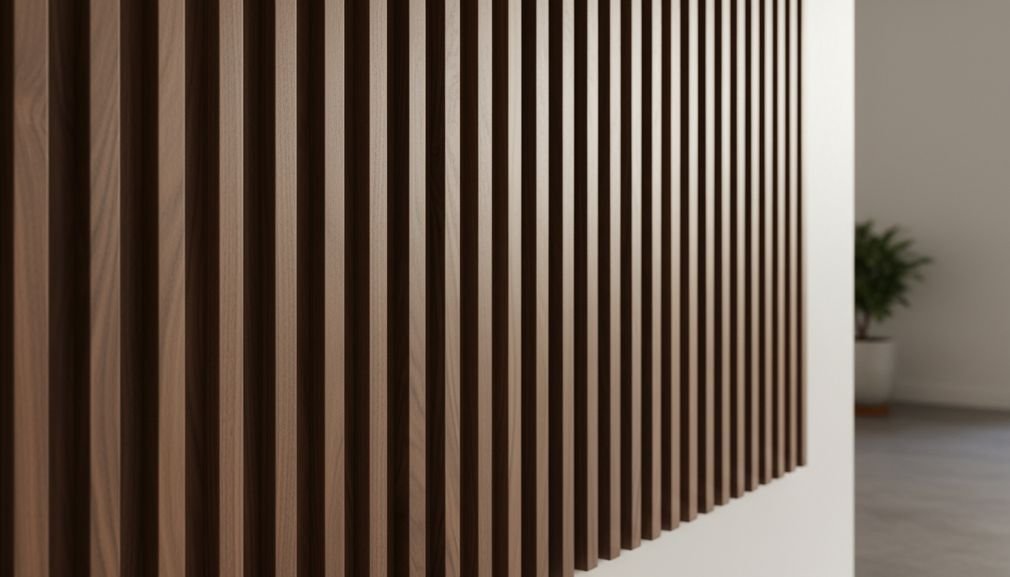
Transforming your home office with Acoustic Slat Wood Panels is a powerful way to merge high-end mid-century modern design with practical sound control. This guide moves beyond simple aesthetics, providing a realistic roadmap for a successful DIY installation, addressing overlooked challenges like maintenance, smart home integration, and sustainable material choices to ensure your investment is both beautiful and functional for years to come.
Key Takeaways
- Acoustic slat wood panels offer a dual benefit: they enhance room aesthetics with a sophisticated, mid-century modern look while improving sound quality by reducing echo and reverberation, crucial for home offices.
- Successful DIY installation requires careful planning beyond the basics, including accounting for wall imperfections, electrical outlets, and choosing the right fastening method (screws and adhesive) for a secure, professional finish.
- Long-term satisfaction involves considering material sustainability (reclaimed wood, low-VOC finishes), future maintenance needs like cleaning, and emerging trends like smart LED lighting integration to future-proof your design.
- Elevating Your Home Office: The Allure of Acoustic Slat Wood Panels
- Mastering the Mid-Century Modern Look with Fluted Wood Panels
- Beyond Soundproofing: The Real Acoustic Benefits for Your Home Office
- DIY Installation: Navigating Challenges for a Seamless Finish
- Smart Integration: Acoustic Panels as More Than Just Walls
- Sustainability and Health: Choosing Eco-Friendly Acoustic Panels
- Cost Considerations: High-End Look on a DIY Budget
- Living with Your Slat Panels: Maintenance, Longevity, and Future-Proofing
- Your High-End Home Office Awaits: Making the Right Choice
- Frequently Asked Questions
Elevating Your Home Office: The Allure of Acoustic Slat Wood Panels
In the modern home office, focus and aesthetics are paramount. Acoustic slat wood panels have emerged as the ideal solution, providing a striking architectural feature that doubles as functional soundproofing wall decor. Their clean lines and natural texture are the cornerstones of mid-century modern design, instantly elevating a generic space into a curated environment. The demand for this blend of comfort and style is clear; the global market for these panels reached USD 1.42 billion in 2024, largely driven by homeowners seeking to improve their living and working spaces.
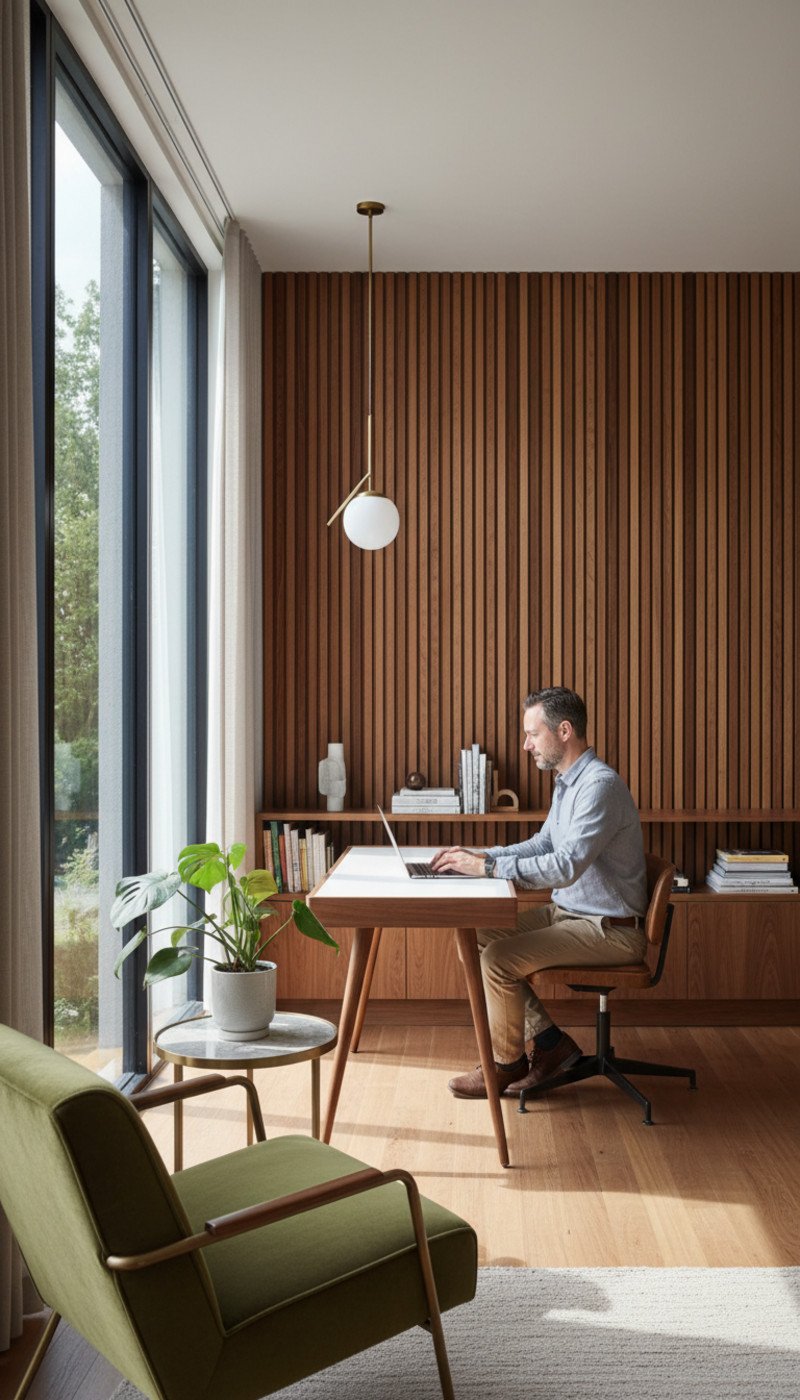
These panels are not just about looks. They work by absorbing and diffusing sound waves, reducing the harsh echo and reverberation that make conference calls difficult and deep work sessions distracting. By turning a flat, reflective surface like drywall into a textured, absorbent one, they create a calmer, more controlled auditory environment without the sterile look of traditional foam panels.
Mastering the Mid-Century Modern Look with Fluted Wood Panels
Achieving an authentic mid-century modern aesthetic hinges on material choice. The wood you select dictates the room’s entire mood. Fluted oak wall panels, with their bright and airy feel, offer a classic Scandinavian touch, while walnut acoustic cladding provides a deeper, more luxurious warmth that is synonymous with iconic mid-century design. Walnut’s rich grain and deep tones create an immediate sense of sophistication and are a sound investment, as explored in our guide to walnut living room furniture. The vertical lines of the slats add visual height and texture, a design principle frequently used to make spaces feel larger and more dynamic. These wooden panels are consistently noted for their strong aesthetic appeal in modern designs, making them a designer-approved choice for any discerning homeowner.
Beyond Soundproofing: The Real Acoustic Benefits for Your Home Office
It’s important to set realistic expectations. While often marketed as “soundproofing,” acoustic slat wood panels are primarily sound-absorbing. They won’t block the sound of a barking dog in the next room, but they will dramatically improve the sound quality *within* your office. This is crucial for remote work. By taming reverberation, your voice will sound clearer and more professional on video calls, as your microphone won’t pick up distracting room echo. This creates a more focused atmosphere, minimizing auditory distractions that can fragment your concentration. While specific Noise Reduction Coefficient (NRC) ratings are often not provided for consumer-grade panels, their effectiveness in reducing ambient echo is a noticeable and valuable improvement for any home workspace. For those serious about noise reduction, pairing panels with other solutions like energy efficient windows can further help isolate your office from external sounds.
DIY Installation: Navigating Challenges for a Seamless Finish
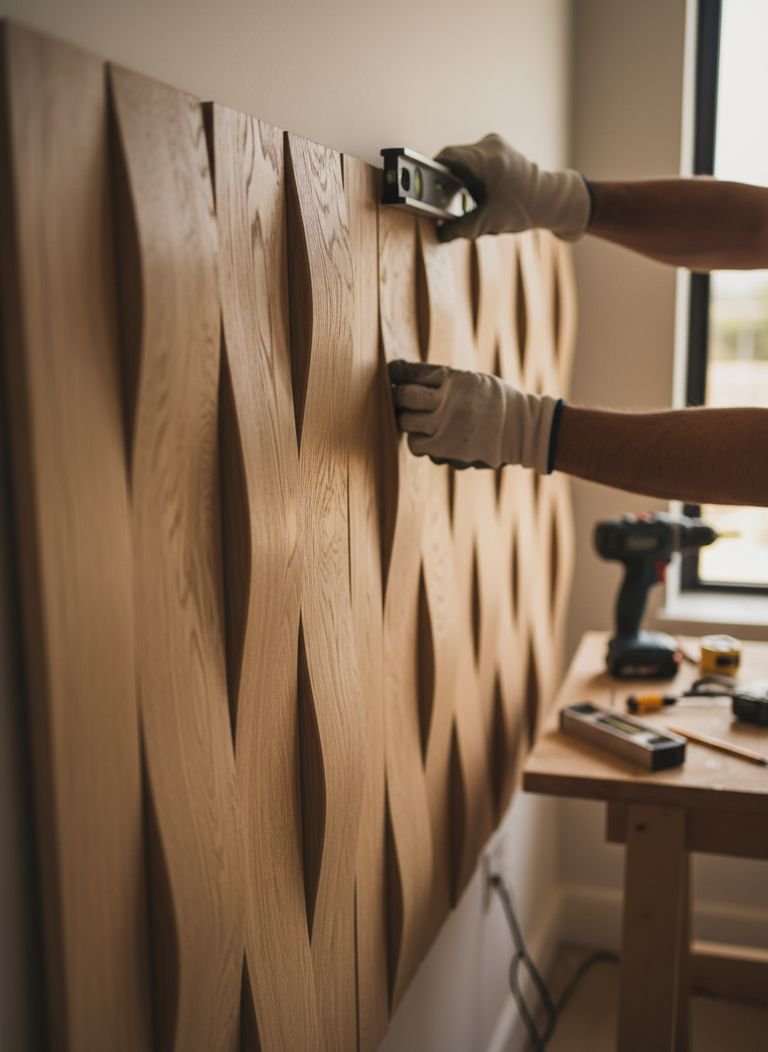
While many acoustic slat wood panels are designed to be DIY-friendly, achieving a flawless finish requires more than just following the instructions. Market reports identify installation complexities as a significant challenge for users. The most common pitfalls for DIY sound absorbing walls involve imperfect starting conditions. Walls are rarely perfectly flat, and baseboards are seldom perfectly level.
Your action plan should include:
- Wall Preparation: Before you begin, check your wall for flatness with a long level. Fill any significant dips with spackle and sand smooth. A clean, flat surface is non-negotiable for a professional look.
- Precise Measurements: Measure the wall height at multiple points. Do not assume it’s uniform. Plan your cuts based on the shortest measurement to ensure a clean fit.
- Outlet and Switch Planning: The biggest giveaway of a DIY job is poorly cut holes for outlets. Measure their positions precisely and use a jigsaw or oscillating multi-tool for clean, accurate cuts in the panels *before* mounting them.
- Secure Fastening: For the most secure installation, use a combination of construction adhesive and black screws drilled directly into studs. The adhesive prevents rattling, and the black screws disappear into the felt backing.
Smart Integration: Acoustic Panels as More Than Just Walls
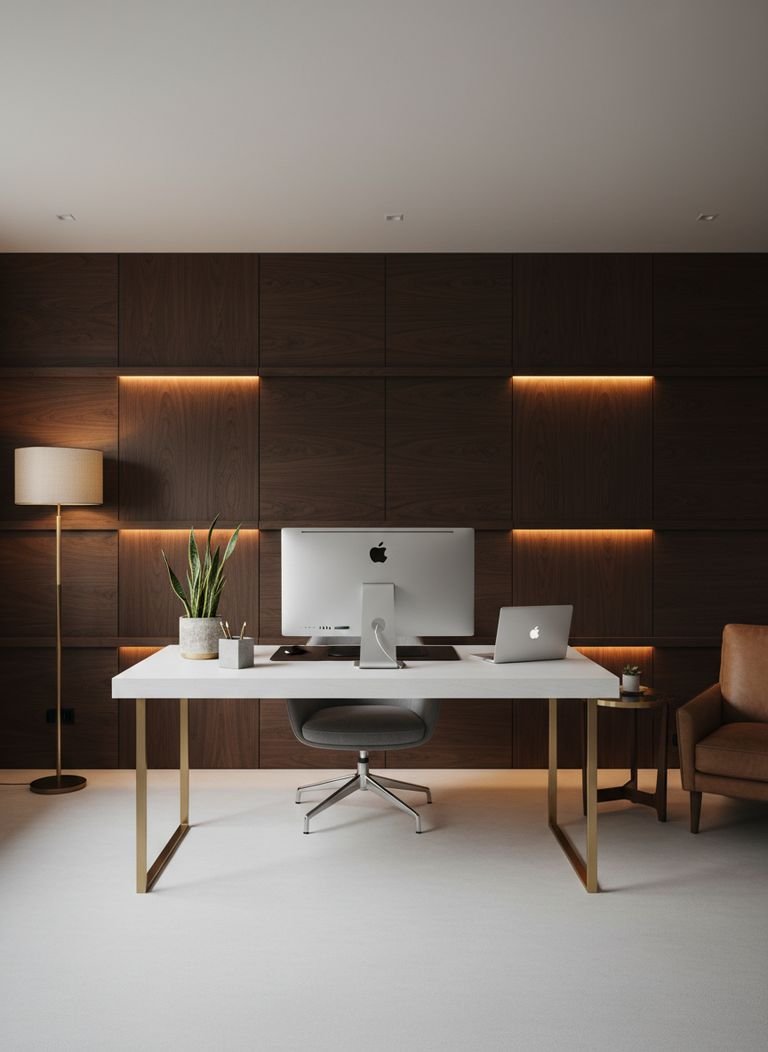
The next frontier for acoustic slat wood panels is smart home integration. This emerging trend elevates the panels from a passive design element to an active part of your home’s ecosystem. Imagine embedding Philips Hue LED light strips in channels behind or between the panels to create dynamic, mood-based accent lighting that washes the wall with color. This can be a fantastic way to add personality and even sync with your work schedule—a cool blue for focus during the day and a warm orange to signify the end of the workday. For the ultimate clean desk setup, you could even integrate a wireless charging pad flush into a panel section that meets your desk. Thinking about these integrations during the planning phase is much easier than retrofitting them later. If you’re considering a broader upgrade, consulting with smart home installation services can help you visualize the possibilities.
Sustainability and Health: Choosing Eco-Friendly Acoustic Panels
For the conscientious homeowner, the origin and chemical makeup of materials are as important as their appearance. The trend toward sustainable sourcing is growing, with manufacturers increasingly using reclaimed or recycled wood for their panels. This not only reduces waste but also brings a unique history and character to your walls. Beyond the wood itself, pay close attention to the finishes. Look for products that use low or zero VOC (Volatile Organic Compound) finishes. Innovations in 2023 saw a push for more eco-friendly finishes that improve indoor air quality, a critical consideration for a room where you spend a significant portion of your day. This focus on healthy materials aligns with broader sustainable home improvement trends, such as using low VOC paint for a healthier living environment.
Cost Considerations: High-End Look on a DIY Budget
While acoustic slat panels offer a high-end look, it’s important to be realistic about the budget. High raw material costs, especially for premium options like walnut acoustic cladding, are a primary market restraint. The price per panel can vary dramatically based on the type of wood veneer, the quality of the acoustic felt, and the brand. A DIY approach significantly cuts costs by eliminating labor, but you must factor in the price of necessary tools like a quality saw, level, and stud finder if you don’t already own them. To manage your budget for DIY sound absorbing walls, consider using the panels on a single accent wall rather than the entire room. This often creates a more powerful design statement and keeps material costs in check without sacrificing the aesthetic and acoustic benefits.
Living with Your Slat Panels: Maintenance, Longevity, and Future-Proofing
Your relationship with your slat wood panels doesn’t end after installation. Long-term satisfaction depends on understanding how to live with them. The primary maintenance issue is dust, which can collect on the top edges of the slats. The easiest way to clean them is with a vacuum cleaner’s soft brush attachment or a microfiber duster. Avoid using wet cloths, as excess moisture can damage the wood veneer over time.
While warping isn’t a widespread complaint, wood is a natural material that can react to extreme humidity. Ensure your home office has stable climate control to maintain the panels’ integrity. Finally, think about the future. If you installed the panels with both screws and adhesive, removal will be a destructive process requiring wall repair. If you foresee redecorating in a few years, relying primarily on screws will make removal much easier. The use of durable, low-VOC finishes not only benefits your health today but also contributes to the longevity and durability of the panel’s appearance.
Your High-End Home Office Awaits: Making the Right Choice
Acoustic slat wood panels represent a significant upgrade for any home office, offering a rare combination of sophisticated style and tangible functional benefits. From mastering the mid-century modern aesthetic to improving your daily comfort and focus, they are a worthwhile investment in your home and productivity. The broader acoustic panel market is valued at a substantial USD 12.8 billion in 2024, confirming that homeowners are increasingly prioritizing both acoustics and aesthetics. By carefully planning your DIY project, considering smart integrations, and choosing sustainable materials, you can create a professional-grade feature wall that you’ll be proud of. This project is more than just soundproofing wall decor; it’s a strategic move that enhances your property’s value, much like thoughtful kitchen remodel ideas. With the right preparation, your perfect high-end home office, built around beautiful and effective Acoustic Slat Wood Panels, is well within reach.
Frequently Asked Questions
How much do acoustic slat panels actually improve sound?
They primarily reduce echo and reverberation within a room. This makes speech clearer for phone and video calls and creates a less distracting environment for focused work. They absorb sound rather than block it, so they won’t stop noise from coming through the wall but will improve the sound quality inside the room.
Are real wood veneer panels like walnut worth the extra cost?
For a discerning homeowner focused on a mid-century modern aesthetic, yes. Real wood veneers like walnut or oak offer an unparalleled depth, warmth, and authenticity that laminate or vinyl alternatives cannot replicate. It’s an investment in the long-term visual appeal and value of your space.
Can I install these panels on any type of wall?
Acoustic slat wood panels are best installed on standard drywall, where you can easily locate and screw into wooden studs for a secure fit. Installation on plaster, brick, or concrete is possible but more complex, requiring specific anchors and potentially professional assistance to ensure a safe and lasting installation.
How do I clean dust from between the narrow slats?
The most effective method is using a vacuum cleaner with a soft brush attachment. Gently run the brush along the slats and in the felt grooves. For light dusting, a long-handled microfiber duster also works well. Avoid using sprays or wet cloths directly on the wood.
What special tools are essential for a DIY installation?
At a minimum, you will need a tape measure, a pencil, a long level (4ft or longer is ideal), a stud finder, a drill with bits, and a circular saw or jigsaw with a fine-toothed blade for clean cuts. An oscillating multi-tool is extremely helpful for cutting precise holes for outlets and switches.