

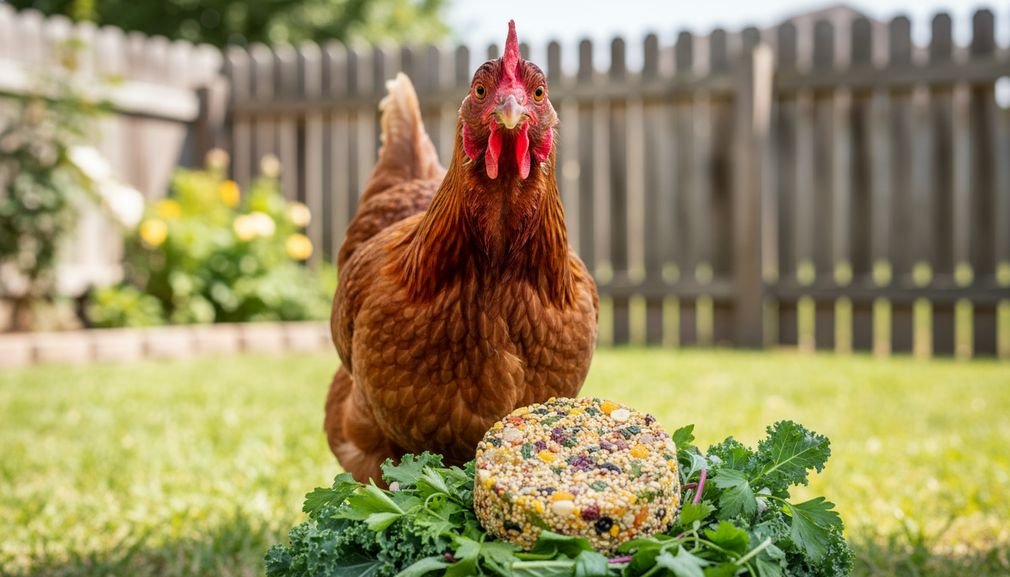
Effective Backyard Chicken Enrichment is the key to transforming your flock from simple egg-layers into thriving, engaged, and secure companions. For owners who view their chickens as pets, providing mental and physical stimulation is just as crucial as offering food and water.
Key Takeaways
- Enrichment Prevents Problems: Providing stimulating activities helps prevent stress behaviors like feather pecking, which affects a high percentage of commercial flocks and can lead to injury.
- Start with Simple Solutions: Effective enrichment doesn’t have to be expensive. Simple additions like perches, dust baths, and foraging toys can dramatically improve your flock’s well-being.
- Embrace Smart Technology for Safety: While still an emerging market, technologies like automatic coop doors and smart heaters offer significant security and comfort benefits, giving you peace of mind.
- The Hidden World of Chicken Enrichment: Why Your Flock Needs More Than Just Food
- Practical “Boredom Busters” for Happy Hens (and How to Introduce Them Safely)
- Smart Coop Solutions: Elevating Security and Comfort with AI and Automation
- Beyond Enrichment: Addressing Common Health Concerns for a Thriving Flock
- Crafting Your Personalized Enrichment Plan: Considerations for Space, Time, and Flock Dynamics
The Hidden World of Chicken Enrichment: Why Your Flock Needs More Than Just Food
Chickens are surprisingly intelligent and curious creatures with complex social structures. In the confines of a backyard, without the natural challenges of foraging and avoiding predators, they can quickly become bored and stressed. This is the core of why backyard chicken enrichment is so vital. It’s not about spoiling them; it’s about satisfying their innate behavioral needs for pecking, scratching, roosting, and exploring. A lack of stimulation can lead to destructive habits that compromise the health and happiness of your entire flock.
While specific data for backyard flocks is limited, the commercial poultry industry provides a stark warning. Researchers estimate that feather pecking, a common stress-induced behavior, occurs in up to 80-94% of cage-free US flocks. This behavior, often stemming from environmental shortfalls, can cause feather loss, skin damage, and even death. By providing engaging boredom busters for hens, you proactively create a positive outlet for their energy, preventing these negative behaviors before they start and fostering a healthier, more peaceful environment.
Practical “Boredom Busters” for Happy Hens (and How to Introduce Them Safely)
Enriching your chickens’ environment is easier and more affordable than you might think. The goal is to encourage natural behaviors. The good news is that research shows a distinct lack of common complaints or durability failures for most chicken toys, suggesting the market offers reliable options. The key is to provide variety and introduce new items carefully.
Types of Enrichment Your Flock Will Love
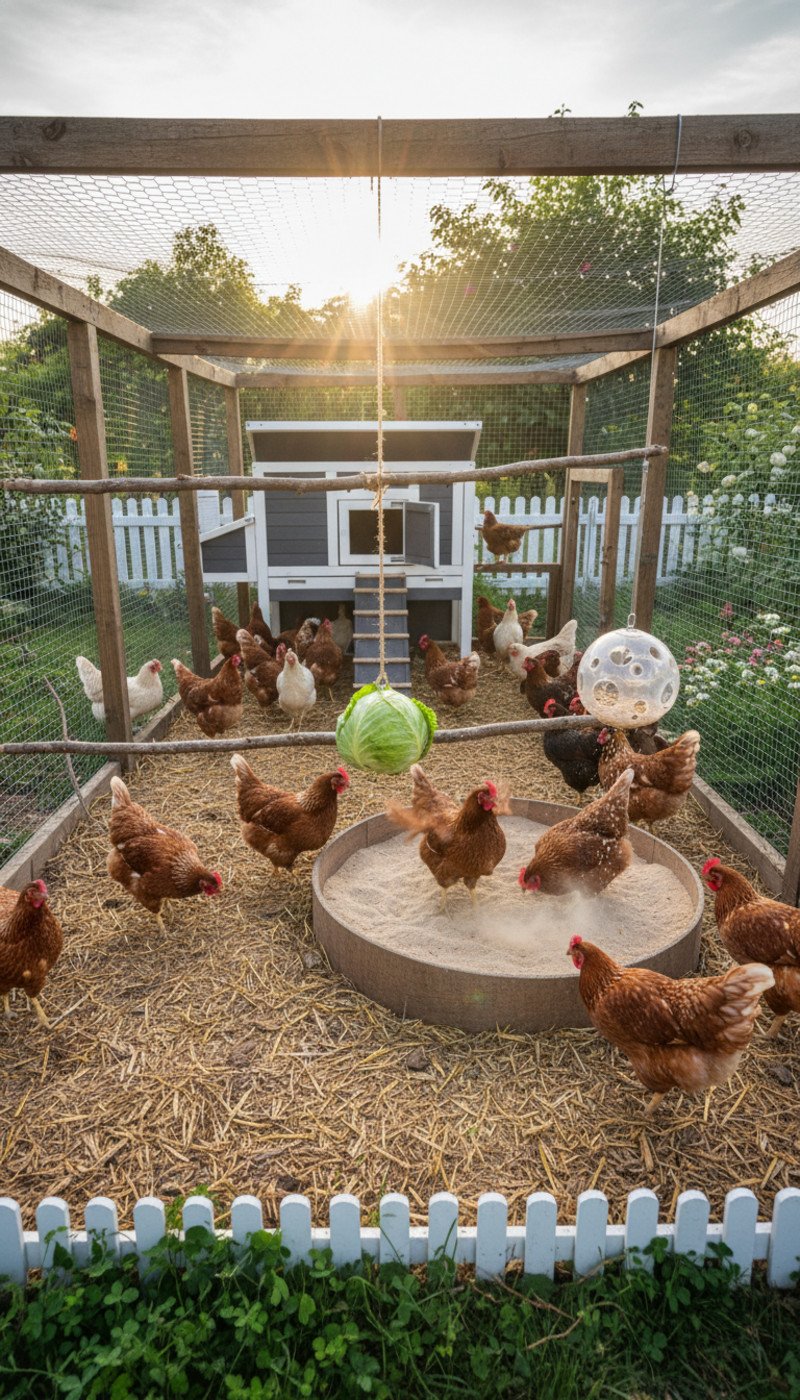
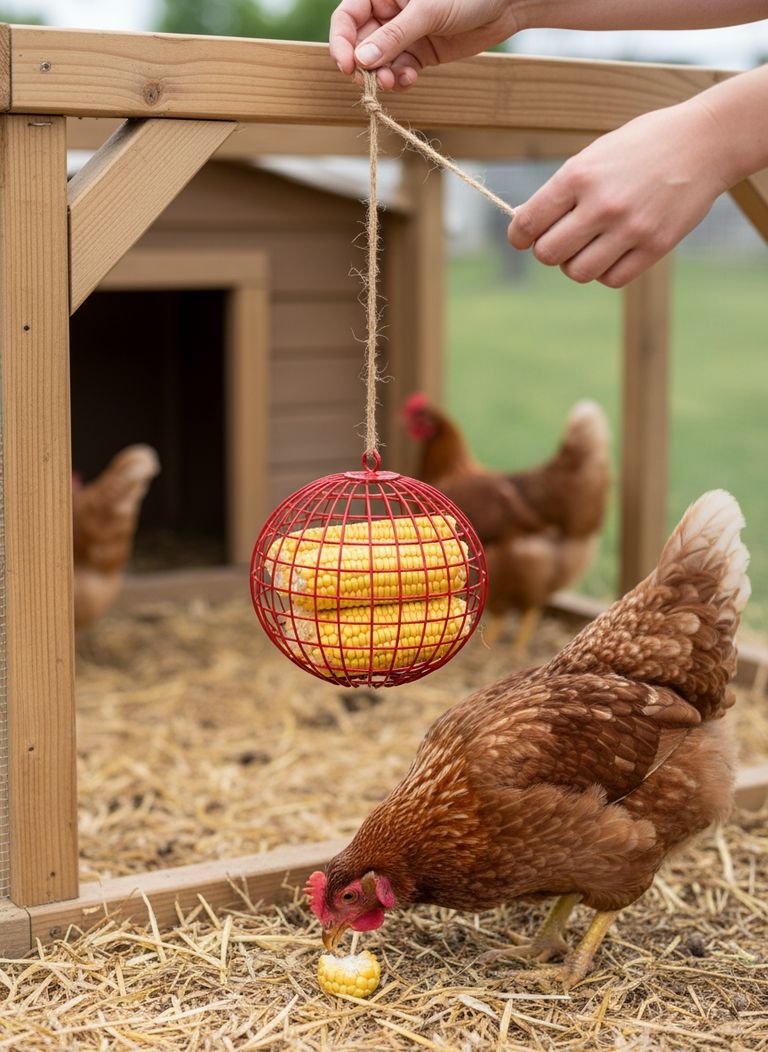
- Foraging Toys: These are the most effective boredom busters for hens. Simple items like a suet cage filled with leafy greens, a treat ball that dispenses scratch grains, or even a head of cabbage hung from a string encourage chickens to work for their food. This mimics their natural foraging instinct and keeps them occupied for hours.
- Perches and Platforms: Chickens love to roost and view their surroundings from different heights. Add several sturdy branches, logs, or even an old wooden ladder to their run. Varying the height and diameter of perches helps exercise their feet and legs.
- Dust Baths: A dedicated dust bathing area is non-negotiable for chicken health and happiness. A shallow box or tire filled with a mix of dry dirt, sand, and a little food-grade diatomaceous earth allows them to clean their feathers, deter parasites, and relax.
- Sensory Stimulation: Chickens explore the world with their beaks. Securely add items with different textures for them to investigate, such as bundles of herbs (like oregano or lavender), non-toxic tree branches with leaves, or even a child-safe mirror.
Building a stimulating environment is a key part of creating a truly pet-friendly home. Much like planning a safe space for dogs or cats, designing your coop and run with enrichment in mind contributes to a holistic healthy pet-ready living guide for your feathered family members.
Smart Coop Solutions: Elevating Security and Comfort with AI and Automation
Modern technology offers powerful new tools for backyard chicken enrichment and security. While the market for AI-driven coop accessories is still developing, the principles of automation can provide immense peace of mind and improve your flock’s quality of life. The current lack of detailed technical data or price ranges for these devices means early adopters need to focus on core features and benefits rather than brand comparisons.
What to Look for in an Automatic Coop Door
An automatic door is your first line of defense against nocturnal predators like raccoons, foxes, and weasels. While advanced “automatic coop door AI” is not yet mainstream, high-quality automated doors should include:
- Reliable Sensors: Most doors operate on a light sensor (opening at dawn, closing at dusk) or a programmable timer. A combination of both offers the most flexibility.
- Safety Mechanisms: An anti-pinch sensor is crucial. The door should stop and reverse if it detects a chicken obstructing its path, preventing serious injury.
- Power Backup: A model with a battery backup ensures the door will function during a power outage, keeping your flock secure.
- Durable Construction: Look for metal doors and weather-resistant components that can withstand the elements and a determined predator.
Choosing a Smart Chicken Coop Heater
In colder climates, a heater can prevent frostbite and reduce stress. However, safety is the top concern. Currently, there is no specific data on energy consumption or technical specs for “smart” chicken coop heaters, so buyers must be vigilant. Look for these safety features:
- Radiant Heat, Not Light: Choose a flat-panel radiant heater designed for animal enclosures. Avoid heat lamps, which are a major fire hazard.
- Zero-Clearance Rating: This means the heater can be safely mounted directly against a surface without risk of combustion.
- Thermostatic Control: An adjustable, accurate thermostat prevents the coop from overheating and saves energy. A smart heater would ideally allow you to monitor and adjust this remotely via an app.
- Tip-Over Protection: The unit should shut off automatically if it is knocked over.
The concepts behind smart coop technology align with broader trends in home automation and animal care, such as the development of AI smart enrichment toys for other pets, which focus on proactive, automated care.
Beyond Enrichment: Addressing Common Health Concerns for a Thriving Flock
While backyard chicken enrichment is a powerful tool for preventing behavioral issues, it’s only one piece of the puzzle. A truly thriving flock requires a holistic approach to care that addresses common health challenges head-on. Ignoring these can undermine even the best enrichment strategy.
Studies show that backyard chicken owners face significant hurdles. One report highlighted that 41.4% of owners reported health issues as a primary concern. Parasites are a pervasive problem, with prevalence ranging from 11% to over 90% in some backyard flocks. Issues like mites, lice, and internal worms can cause stress, anemia, and reduced egg production, making a chicken less likely to engage with enrichment activities. Furthermore, poor coop maintenance can lead to respiratory problems from ammonia buildup and attract pests, adding another layer of stress.
| Area of Concern | Proactive Strategy | Link to Enrichment |
|---|---|---|
| Parasite Control | Regular coop cleaning, health checks, and providing ample dust bathing areas. | A clean, healthy chicken is more active and willing to engage with toys and forage. |
| Biosecurity | Limit contact with wild birds, quarantine new chickens, and use dedicated coop footwear. | Prevents diseases that cause lethargy and disinterest, ensuring your flock feels well enough to play. |
| Proper Nutrition | Provide a quality layer feed as the primary diet, using scratch and treats sparingly. | Well-nourished birds have the energy to explore, and treats can be used effectively in enrichment toys. |
By integrating regular health checks and sanitation protocols with your enrichment plan, you create a comprehensive wellness system. This ensures that your flock is not just entertained, but fundamentally healthy and resilient. The principles of creating a safe and stimulating environment are universal, whether you’re planning your flock’s run or considering barkitecture for a pet-friendly outdoor oasis.
Crafting Your Personalized Enrichment Plan: Considerations for Space, Time, and Flock Dynamics
A successful backyard chicken enrichment plan isn’t one-size-fits-all. It needs to be tailored to your specific environment, your daily routine, and the unique personality of your flock. While research hasn’t formally identified common barriers for backyard owners, we can anticipate them: limited space, a busy schedule, and flock safety are universal concerns.
Step 1: Assess Your Space
You don’t need acres of land to provide quality enrichment.
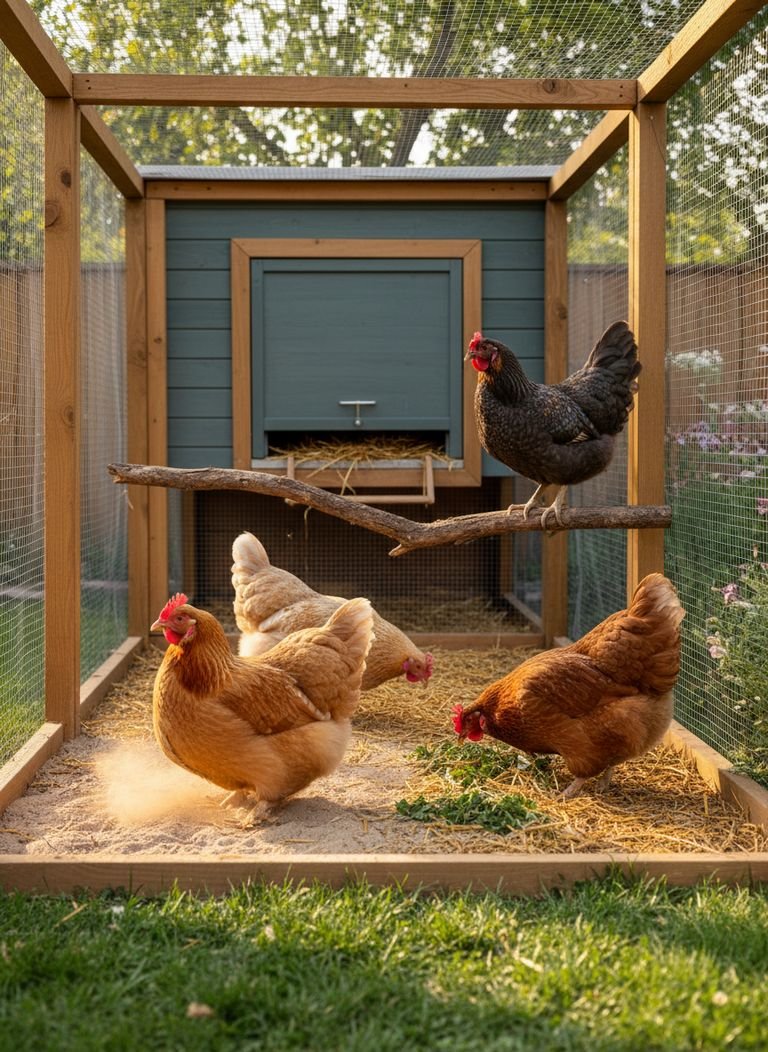
- Small Spaces: Focus on verticality. Add multi-level roosts, hanging treat baskets, and wall-mounted pecking toys. This maximizes usable space and encourages movement.
- Large Spaces: Create “zones.” Designate a dedicated dust bathing area, a shaded lounging spot, and a “foraging zone” where you can scatter treats. This encourages exploration across the entire run. Designing these zones is similar to planning an outdoor living space, where function dictates form.
Step 2: Factor in Your Time Commitment
Be realistic about how much time you can dedicate each day.
- Low-Time Options: “Set it and forget it” solutions are your friend. A permanent dust bath, sturdy perches, and a treat ball that can be filled once a day provide lasting engagement with minimal effort.
- High-Time Options: If you have more time, you can create more dynamic activities. Supervised free-ranging in a secure garden, creating new foraging puzzles, or simply spending time observing your flock are all incredibly enriching.
Step 3: Observe Your Flock’s Dynamics
Your chickens will tell you what they like. Pay attention to their behavior.
- Watch for Favorites: Do they flock to the hanging cabbage or ignore it? Do they prefer high perches or low ones? Double down on what works.
- Ensure Fair Access: In a flock with a strong pecking order, dominant hens might monopolize a single toy. Provide multiple enrichment stations (e.g., two small treat dispensers instead of one large one) to ensure everyone gets a chance to play.
- Rotate Items: To keep things interesting, rotate toys and activities every week or two. Reintroducing an “old” toy after a break can make it feel new and exciting again. This is a core principle in providing long-term stimulation for all intelligent animals.
By proactively addressing these potential barriers, you can build a sustainable and effective enrichment strategy that fits seamlessly into your life and brings out the best in your flock.
Conclusion
Ultimately, a proactive approach to flock well-being is about more than preventing problems; it’s about unlocking the full potential of your chickens as engaging and happy pets. By combining simple, practical boredom busters with the forward-thinking security of smart coop technology, you create a robust ecosystem of care. A thoughtful strategy, tailored to your space and flock, ensures that their environment is not just a place of containment, but a source of stimulation and safety. Investing in backyard chicken enrichment is a direct investment in the health, happiness, and security of your feathered companions.
Ready to upgrade your flock’s living space? Start by introducing one new foraging toy or a higher perch this week and observe the positive change.
Frequently Asked Questions
How much does backyard chicken enrichment cost?
The cost can be virtually zero or as much as you want to spend. DIY enrichment like hanging a head of cabbage, providing sturdy branches for perches, or creating a simple dust bath costs next to nothing. Commercial toys like treat balls or chicken swings typically range from $10 to $30. The biggest investments are in infrastructure like automated coop doors, which can cost $150 or more.
Can a chicken have too many toys?
While a chicken can’t have “too many” options, a cluttered and overwhelming run can be stressful. It’s better to provide 3-4 different types of enrichment at a time and rotate them weekly. This keeps things novel and exciting without creating a chaotic environment. Ensure there is still plenty of open space for them to walk, run, and forage freely.
How do I know if my chickens are bored?
Bored chickens often exhibit destructive behaviors. The most common signs include feather pecking (plucking feathers from themselves or flock mates), excessive pacing, and listlessness. A happy, engaged chicken will be actively scratching, foraging, dust bathing, or interacting socially with the flock.
Are food-based toys like treat balls healthy for chickens?
Yes, when used correctly. The key is to use healthy, low-calorie treats like scratch grains, oats, or sunflower seeds, and to ensure they make up no more than 10% of your flock’s daily diet. Their primary nutrition must come from a balanced layer feed. Treat toys are excellent for enrichment because they make the chickens work for their food, providing both mental and physical exercise.
What is the single most important enrichment item for a chicken?
If you could only provide one thing, a proper dust bath would be the most critical. It is essential for their physical health (controlling parasites and cleaning feathers) and is also a natural, instinctual behavior that provides comfort and reduces stress. It serves both a health and enrichment purpose simultaneously.