

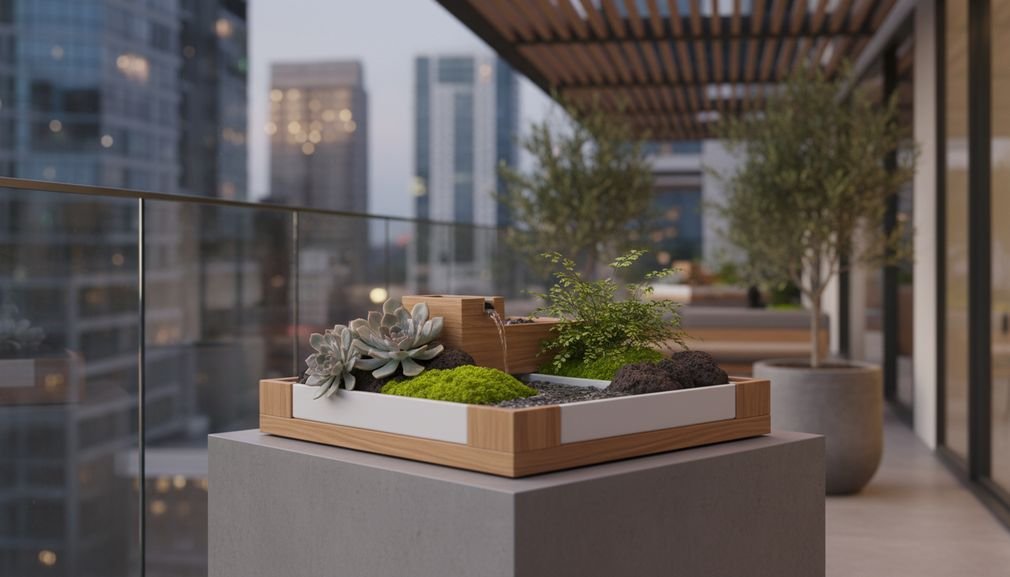
Creating a Botanical Bento is the ultimate way for urban gardeners to transform a small balcony or patio into a breathtaking, living art installation. This guide offers a realistic, step-by-step approach to designing these compact gardens, focusing on cutting-edge plant compatibility, sustainable materials, and smart design that works in the real world.
Key Takeaways
- A Botanical Bento is a curated, composed container garden designed for small urban spaces, blending aesthetics with plant science.
- Success depends on choosing compatible, climate-resilient plants, lightweight containers, and a well-drained soil mix tailored to your selections.
- Proactively address challenges like weight limitations on balconies, proper drainage, and long-term maintenance to ensure your miniature garden thrives.
- Unpacking the Botanical Bento Trend: Why Compact Beauty is Booming
- Crafting Your Botanical Bento: Popular Plants, Materials & Modern Aesthetics
- Mastering the Layers: Overcoming Common Bento Box Garden Challenges
- Elevating Your Balcony Bento: Smart Design & Sustainable Solutions
- Space-Savvy & Safe: Dimensions and Structural Considerations for Balcony Bento
- The Art of Maintenance: Keeping Your Miniature Garden Thriving
- Final Thoughts on Your Botanical Bento Journey
- Frequently Asked Questions
Unpacking the Botanical Bento Trend: Why Compact Beauty is Booming
The Botanical Bento trend is a direct response to a modern reality: the shrinking size of our personal spaces and a growing desire to connect with nature. As urban living intensifies, with projections suggesting 89% of people will reside in cities by 2050, the demand for clever, space-efficient gardening has soared. It’s no surprise that container gardening has seen a massive 200% increase in household participation, according to a 2024 trends report from Garden Media Group (source). These composed container gardens are more than just pots of plants; they are meticulously curated ecosystems that bring personalized beauty and tranquility to balconies, patios, and windowsills.
Crafting Your Botanical Bento: Popular Plants, Materials & Modern Aesthetics
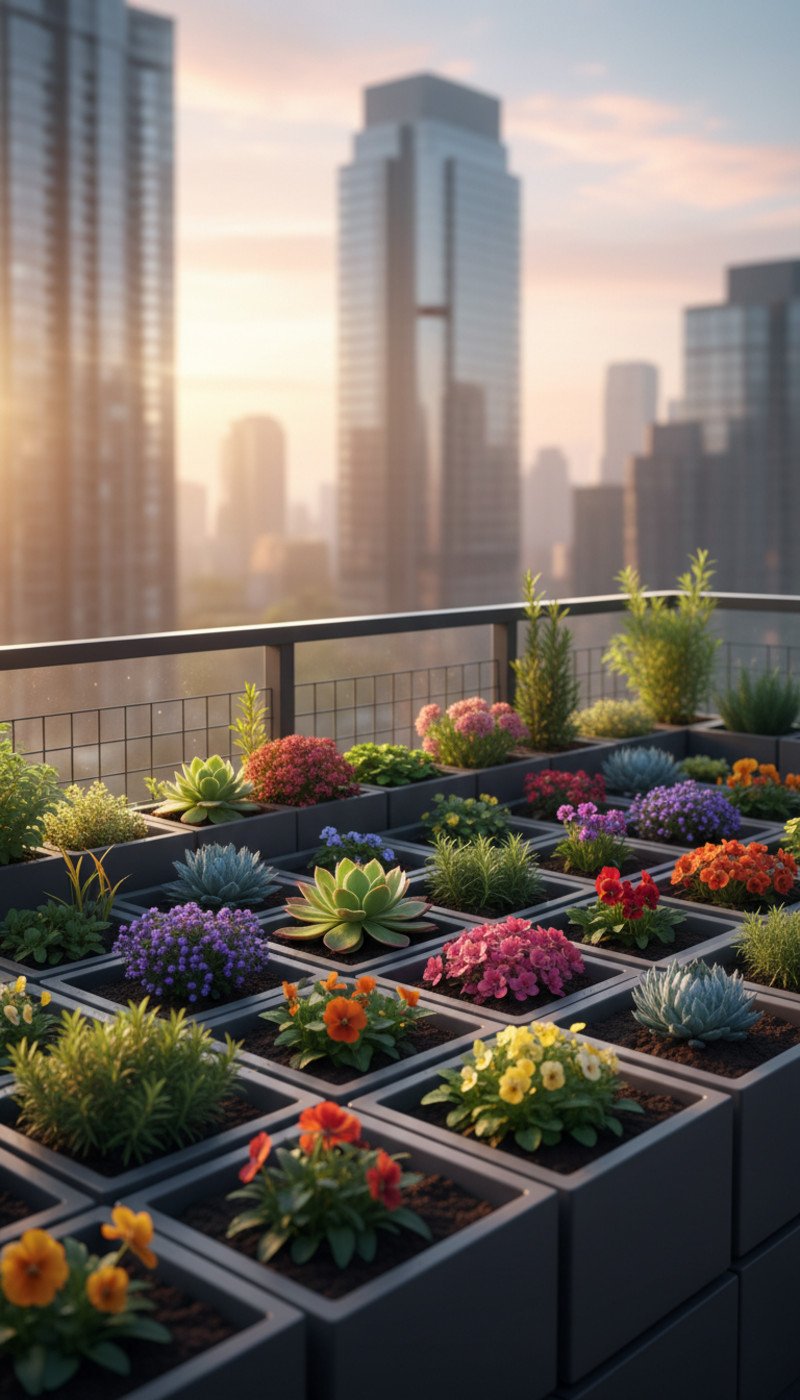
Building a stunning Botanical Bento begins with three core choices: your plants, your container, and your overall design concept. Getting these right sets the stage for a thriving, low-maintenance masterpiece. It’s about creating a harmonious look where every element complements the others.
Choosing Your Plants: Texture, Color, and Resilience
Today’s consumer preferences lean heavily toward plants that are both beautiful and practical. The key is to select waterwise, climate-resilient varieties that offer lush foliage and bold colors without demanding constant attention (source). Think about combining different forms to create visual interest.
- Thrillers (The Star): These are your vertical, eye-catching plants. Consider compact perennial grasses like Blue Fescue (Festuca glauca) for a modern meadow aesthetic or a small Alocasia for a dramatic tropical vibe.
- Fillers (The Body): These plants fill the middle ground. Lush foliage from Heuchera (Coral Bells) in deep purples or bright limes, or the delicate texture of a small fern, works wonderfully.
- Spillers (The Cascade): Trailing plants soften the container’s edges. Popular choices include Dichondra ‘Silver Falls’ or Creeping Jenny (Lysimachia nummularia). These are perfect for maximizing vertical space.
Focus on creating a variety of miniature garden textures for pots by mixing broad leaves with fine grasses and delicate flowers.
Selecting Containers: From Upcycled to High-Tech
Your container is the “box” for your bento. Current trends favor materials that are either sustainable, lightweight, or space-efficient. Lightweight fiberglass is a top choice for its weather resistance and low maintenance, making it ideal for balconies. For a more rustic or budget-friendly approach, upcycled items like old teapots, drawers, or tins add unique character. If you’re looking to create privacy or maximize a tight corner, tall or vertical planters are excellent composed container gardens solutions.
Defining Your Aesthetic
What story do you want your garden to tell? Here are a few popular styles:
- Modern Meadow: Uses ornamental grasses, flowering perennials like Echinacea, and airy textures for a soft, organic look.
- Bold Tropical: Features large, dramatic leaves from plants like Monstera or Colocasia, paired with vibrant, colorful flowers.
- Zen Garden: A minimalist approach using a single specimen plant, like a Japanese Maple, surrounded by smooth stones and moss.
Mastering the Layers: Overcoming Common Bento Box Garden Challenges
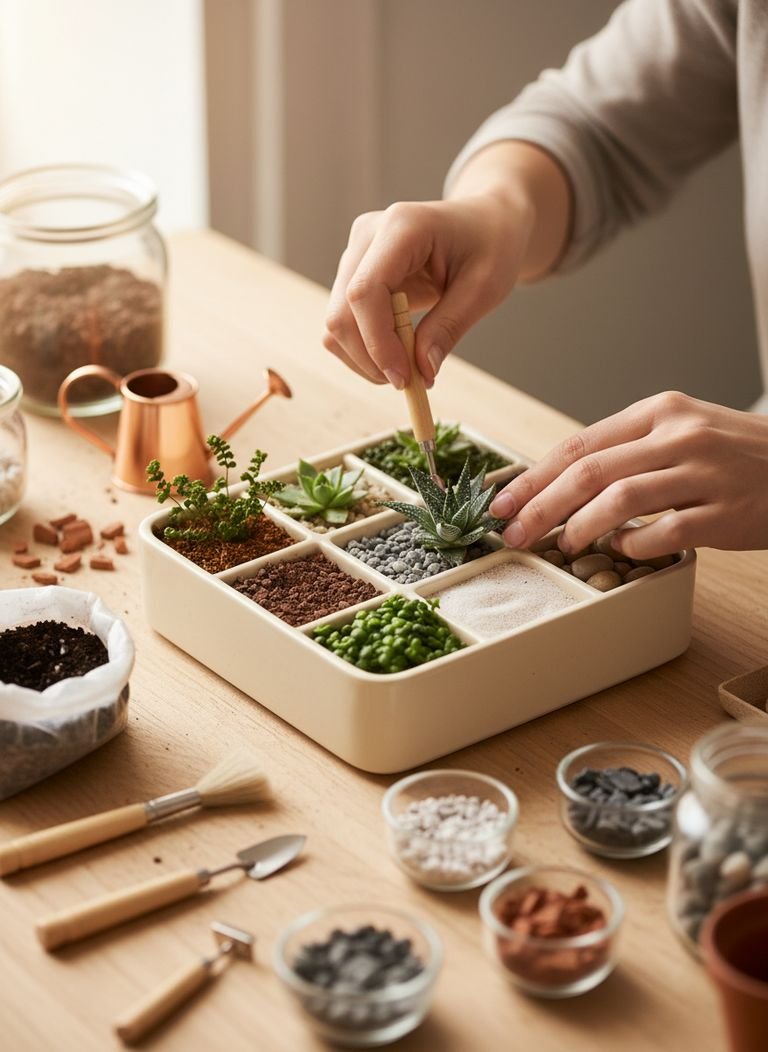
While specific user-reported data on frustrations with layered bento box garden ideas is scarce, we can draw from common container gardening challenges to anticipate and solve problems before they start. The most significant hurdles are plant compatibility, scale, and long-term care.
The Plant Compatibility Puzzle
The number one mistake beginners make is combining plants with conflicting needs. A beautiful arrangement will quickly fail if one plant requires daily water while its neighbor prefers to dry out completely. Creating a successful, lasting design requires a deep understanding of plant compatibility.
| Combination Type | Example Plants | Common Needs | Potential Pitfall |
|---|---|---|---|
| Sun & Drought Tolerant | Sedum, Sempervivum, Lavender, Rosemary | Full sun (6+ hours), well-draining soil, infrequent watering | Overwatering, which leads to root rot. Ensure excellent drainage. |
| Shade & Moisture Loving | Hostas, Ferns, Impatiens, Begonias | Partial to full shade, consistently moist soil | Soil drying out too quickly, especially in smaller pots on hot days. |
| Tropical Foliage Mix | Calathea, Alocasia, Croton, Philodendron | Bright, indirect light, high humidity, consistently moist soil | Low humidity can cause brown, crispy leaf edges. Grouping plants helps. |
Getting the Scale Right
Another challenge is proportion. A tiny plant can get lost in a massive container, while an aggressive grower can quickly overwhelm its companions. Before planting, arrange your chosen plants (still in their nursery pots) on the soil surface to visualize the final layout. Remember to account for their mature size, not just their size on the day you buy them.
Elevating Your Balcony Bento: Smart Design & Sustainable Solutions
For those with a small balcony, the Botanical Bento concept truly shines. This is where you move beyond simple potting and into strategic design. While many sources promote waterwise gardening, they often miss the mark on advanced water retention solutions and unique plant pairing strategies specifically for these compact spaces.
Innovative Water Retention Solutions
Balcony containers dry out much faster than garden beds due to wind exposure and radiant heat from the building. To combat this:
- Use Soil Additives: Mix perlite into your soil for aeration and coco coir or peat moss for moisture retention.
- Incorporate Ollas: These unglazed terracotta pots are buried in the soil and filled with water, which slowly seeps out to hydrate plant roots directly. It’s an ancient and highly effective irrigation method.
- Top Dress with Mulch: A layer of decorative stone, wood chips, or even recycled glass mulch helps insulate the soil, retain moisture, and prevent weed growth. Making energy efficient upgrades to your gardening routine saves water and effort.
Unique Plant Pairing Strategies
Go beyond the standard “thriller, filler, spiller” formula. Think about creating a garden that serves a purpose. A “cocktail garden” bento could feature mint, rosemary, and a dwarf lime tree. An “edible flower” bento might include violas, calendula, and nasturtiums. These thematic pairings make your Botanical Bento for small balconies both beautiful and functional. If you have pets, creating a pet-ready home extends to your balcony, so ensure you choose non-toxic plants.
Space-Savvy & Safe: Dimensions and Structural Considerations for Balcony Bento
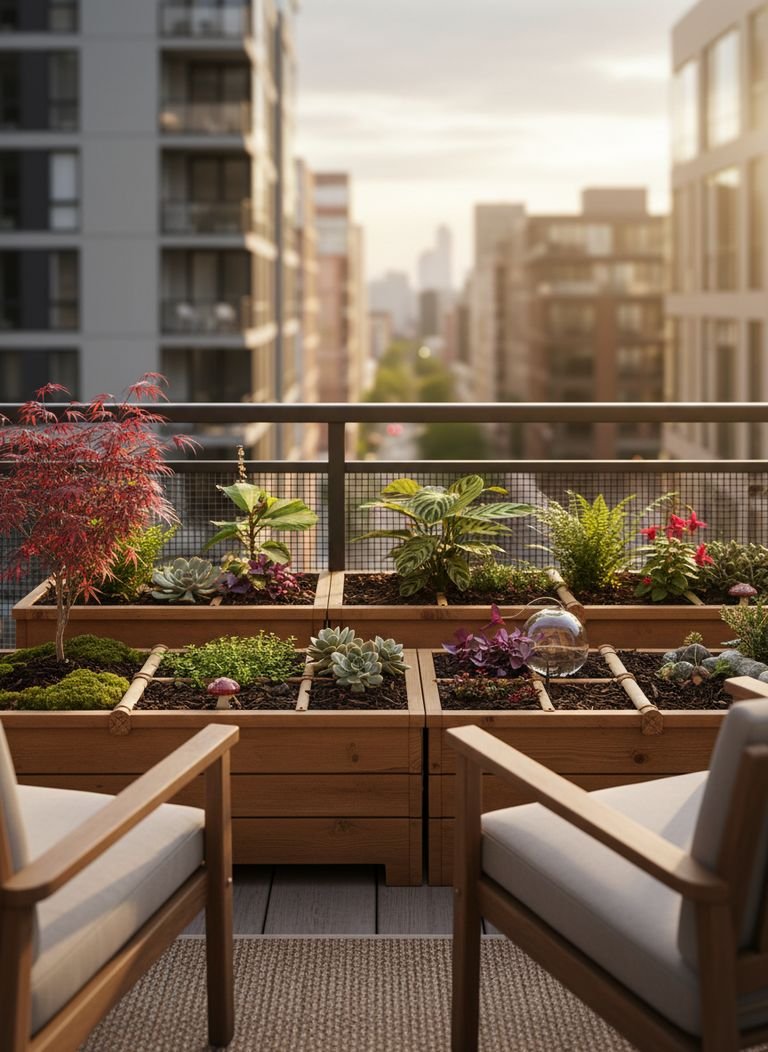
This is a critical topic that is almost entirely overlooked online. While there are no universal, precise dimensions for a Botanical Bento for small balconies, we can establish expert-backed guidelines for safety and plant health. The two primary concerns are weight and drainage.
Weight Limitations and Structural Safety
Before you start, you must understand your balcony’s weight limitations. Most modern balconies can handle a significant load, but it’s never wise to guess. A large pot filled with wet soil and plants can weigh hundreds of pounds.
- Check with Your Building: If you rent or live in a condo, check your lease or HOA rules for specific restrictions on balcony gardens.
- Choose Lightweight Materials: This is why fiberglass and high-quality plastic containers are heavily recommended over concrete or terracotta (source).
- Use Lighter Soil Mixes: Incorporate perlite, vermiculite, or coco coir to reduce the overall weight of your potting medium compared to dense garden soil.
- Distribute Weight: Place heavier pots closer to the building’s load-bearing walls or over support beams rather than concentrating them in the middle of the balcony span.
These structural considerations are a key part of planning your outdoor living space.
Optimal Dimensions for Plant Health
Root depth is crucial. A shallow container may look chic, but it can stunt a plant’s growth and cause it to dry out too quickly.
- Minimum Depth: For most annuals, herbs, and small perennials, a depth of 8-10 inches is sufficient. For larger perennials or small shrubs, aim for at least 12-16 inches.
- Drainage is Non-Negotiable: Every container MUST have drainage holes. If a decorative pot lacks them, either drill them yourself or use it as a cachepot (a decorative outer pot) with a functional, draining pot inside.
The Art of Maintenance: Keeping Your Miniature Garden Thriving
A Botanical Bento is designed to be lower maintenance than a full garden, but it is not “no maintenance.” Consistent care is key to its longevity. While data-backed maintenance schedules are not readily available, here are proven guidelines based on common plant combinations.
Watering Frequency
The “how often” question depends entirely on your climate, container size, and plant choice. The best method is to check the soil manually. Stick your finger two inches deep into the soil. If it’s dry, it’s time to water. Water thoroughly until it runs out of the drainage holes, ensuring the entire root ball is saturated. In a summer heatwave, this might be daily; in cooler, overcast weather, it could be weekly.
Pruning Techniques for Miniature Textures
Pruning is about shaping your plants and encouraging healthy growth, which is vital for maintaining the delicate balance of miniature garden textures for pots.
- Pinching: Pinch back the tips of flowering annuals and herbs to encourage bushier growth and more blooms.
- Deadheading: Remove spent flowers promptly. This prevents the plant from putting energy into seed production and encourages it to produce more flowers instead.
- Selective Trimming: Trim back any plant that is starting to crowd its neighbors to maintain airflow and ensure all plants get adequate light.
Fertilization Guidelines
Container plants have limited access to nutrients and will eventually deplete what’s in their potting soil. A balanced, all-purpose liquid fertilizer, diluted to half-strength and applied every 2-4 weeks during the growing season (spring and summer), is a good general rule. For succulents and other low-feeders, fertilize only once or twice per season.
Final Thoughts on Your Botanical Bento Journey
The Botanical Bento is more than a gardening trend; it’s a creative practice that empowers city dwellers to cultivate their own slice of paradise. By focusing on smart plant selection, appropriate materials, and proactive problem-solving, you can design a living masterpiece that brings joy and beauty to even the smallest of spaces. Remember that success lies in the details: understanding plant compatibility, respecting structural limits, and committing to a simple maintenance routine. Armed with this knowledge, you are ready to create your own stunning Botanical Bento.
Ready to start planning? Explore our guides on small space garden rooms to find even more inspiration for your urban oasis.
Frequently Asked Questions
What are the best beginner plants for a Botanical Bento?
For beginners, focus on hardy and forgiving plants. A great combination for a sunny spot is a mix of succulents like Echeveria (‘thriller’), Sedum (‘filler’), and String of Pearls (‘spiller’). For a shadier spot, try a Heuchera (‘thriller’), Impatiens (‘filler’), and Creeping Jenny (‘spiller’). They are all relatively low-maintenance and visually rewarding.
How much does it cost to create a Botanical Bento?
The cost varies widely. A budget-friendly version using an upcycled container and starter plants could cost as little as $30-$50. A more advanced setup with a large designer fiberglass planter and mature, unique plants could cost $200 or more. The biggest variables are the container and the size/rarity of your plants.
Can I grow vegetables in a Botanical Bento?
Absolutely! A “salad box” bento is very popular. You can combine a dwarf tomato plant (the ‘thriller’), loose-leaf lettuce varieties (‘filler’), and trailing herbs like oregano or thyme (‘spiller’). Just ensure the container is deep enough (at least 12 inches) and you use a high-quality potting mix formulated for vegetables.
How do I protect my balcony bento garden in the winter?
This depends on your climate and plant choices. If you used annuals, they will naturally die back. For perennials, you can move pots closer to the house for warmth, wrap them in burlap or bubble wrap for insulation, or, if the plants are not hardy in your zone, bring them indoors to a sunny window to overwinter.
What is the single most important factor for success?
Proper drainage. Without adequate drainage holes, even the most perfectly chosen plants in the best soil will succumb to root rot. Water must be able to escape freely. If you fall in love with a pot that has no holes, it is imperative to drill them or use it as a cachepot.