

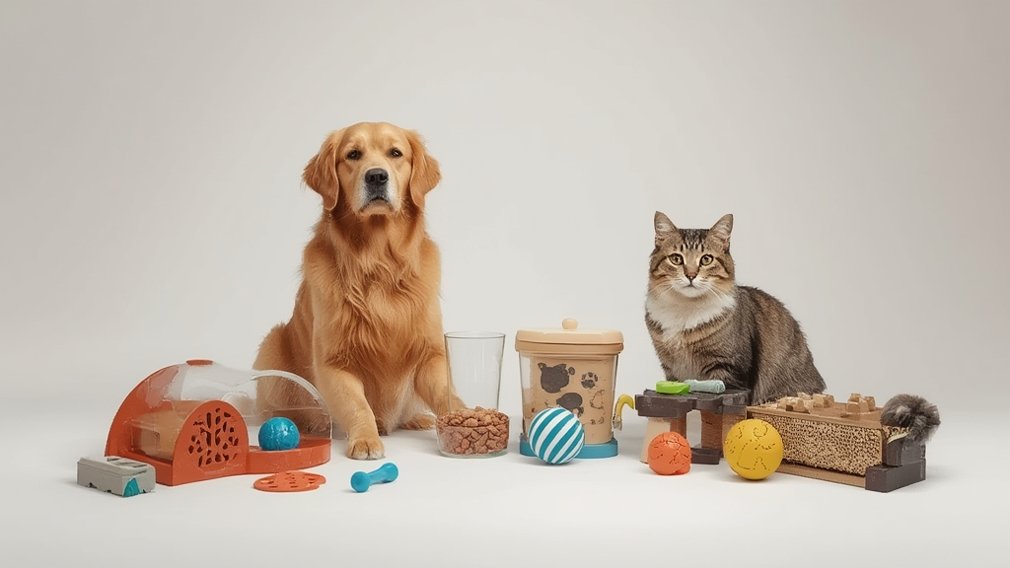
Cognitive Enrichment Toys are changing how pet owners prevent and manage age-related decline in their senior dogs and cats. If you want a realistic, practical way to help slow pet dementia, cognitive enrichment toys offer one of the most actionable steps you can take—starting today.
Key Takeaways
- Cognitive enrichment toys may help delay cognitive decline and dementia in senior pets by providing daily mental stimulation.
- Choose adjustable, varied toys and puzzles to match your pet’s abilities and keep them engaged.
- Consistent use, observation for engagement, and maintenance are essential to see lasting cognitive benefits.
- The Core Concept of Cognitive Enrichment Toys
- Step-by-Step Guide: Using Cognitive Enrichment Toys Effectively
- Advanced Analysis & Common Pitfalls
- Conclusion
- Frequently Asked Questions
The Core Concept of Cognitive Enrichment Toys
Cognitive enrichment toys are interactive puzzles and devices designed to mentally stimulate pets, especially aging dogs and cats. Research consensus shows daily enrichment activities—including play—may delay the onset of cognitive decline, like dementia, in older pets. While peer-reviewed studies from 2022-2024 are limited, experts agree: keeping senior pets’ minds active can improve quality of life and may slow symptoms of cognitive dysfunction (source, source, source).

As pets age, memory, learning, and curiosity often decline. That’s why a variety of cognitive enrichment toys—like treat puzzles, adjustable difficulty toys, and interactive feeders—can help seniors stay mentally sharp, happier, and more energetic.
Canine cognitive dysfunction (CCD), a form of dementia, affects nearly 28% of dogs aged 11-12, 48% by age 14, and 68% by age 16 (source). Puzzles and brain games can slow this progression by challenging problem-solving skills, engaging memory, and encouraging positive behaviors—even late in life.
Curious about holistic approaches to pet wellness at home? Check out our Healthy Pet-Ready Living Guide.
Step-by-Step Guide: Using Cognitive Enrichment Toys Effectively
Integrating cognitive enrichment toys into your pet’s daily routine is straightforward and highly flexible. Here’s how to get the most out of each session:
- Assess Your Pet’s Baseline: Watch your pet for any signs of confusion, frustration, or lack of engagement. Start with easy toys to build positive associations with problem-solving.
- Select Appropriate Toys: Choose adjustable puzzles like Nina Ottosson puzzle toys or treat dispenser balls. These often allow you to increase or decrease the difficulty as your senior pet’s skills improve.
- Schedule Sessions Regularly: Short, consistent playtimes (5-15 minutes, once or twice per day) are more effective than occasional marathon sessions. Most experts recommend daily engagement, but always tailor to your pet’s health and interest level.
- Monitor Engagement: Watch for signs of enjoyment versus frustration. If your pet seems bored or gives up quickly, the toy is likely too hard or too easy. Adjust as needed.
- Mix in New Challenges: Introduce new puzzle types periodically, from rolling treat balls to multi-step toy puzzles. This stimulates different parts of the brain and prevents predictable routines.
- Reward and Encourage: Celebrate your pet’s progress with praise, gentle interaction, or a favorite treat (in moderation). Positive reinforcement helps your pet associate play with fun, not stress.
- Keep Toys Clean and Inspect for Wear: Senior pets, especially, need clean and safe toys. Regularly inspect for sharp edges or damaged pieces.
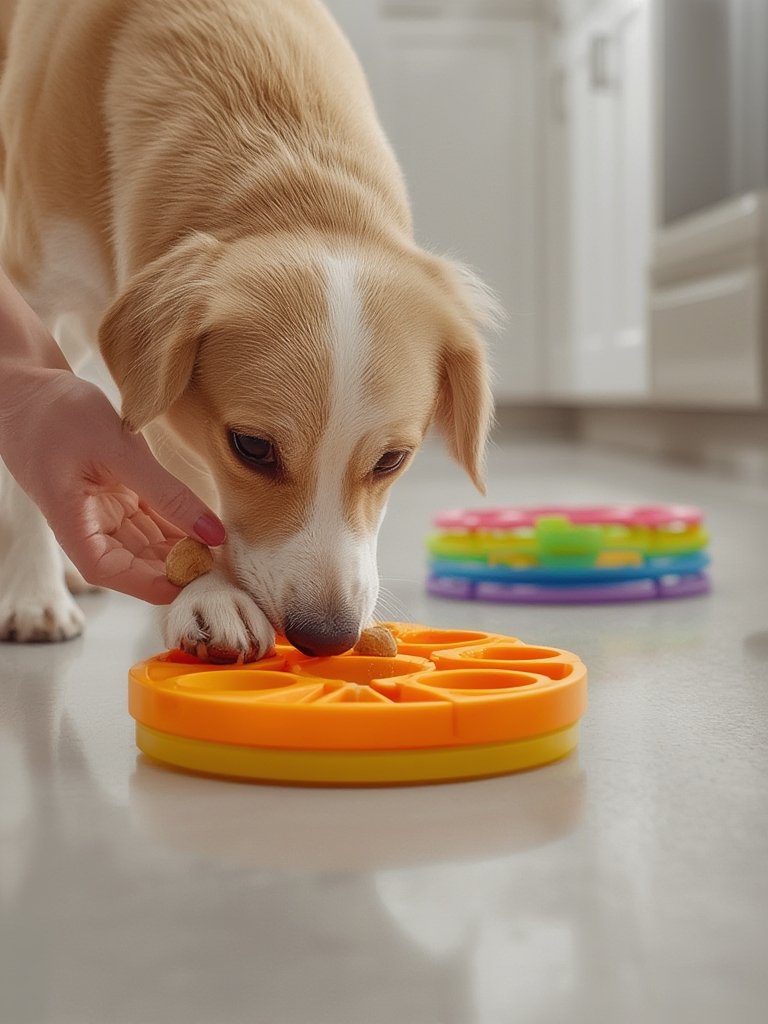
Looking for even more creative enrichment? See how AI Smart Enrichment Toys offer new adaptive and automated options for modern households.
Proactively using these enrichment practices can make your home truly pet-friendly and safer—just like our proven pet-friendly backyard design guide shows for outdoor spaces.
Advanced Analysis & Common Pitfalls
Using cognitive enrichment toys can be highly beneficial when approached thoughtfully, but there are realistic downsides if you’re not careful. Here’s an honest look at what works, what doesn’t, and where most pet owners go wrong:
| Pitfall or Problem | Impact | How to Avoid |
|---|---|---|
| Using toys that are too complex for your pet’s cognitive level | Leads to frustration, giving up, or avoiding play entirely | Start simple and only increase difficulty gradually |
| Neglecting to rotate toys | Pet loses interest, cognitive benefits plateau | Introduce novel puzzles every few days |
| Ignoring toy cleanliness and wear | Risk of ingesting broken parts or bacterial build-up | Clean regularly and replace as needed |
| Assuming all senior pets will respond positively | Some seniors with advanced dementia may ignore toys entirely | Pair with gentle human interaction, or try alternate enrichment |
| Overemphasizing toys instead of holistic wellness | Missed opportunity for combined benefits (diet, exercise, environment) | Combine toys with daily walks, scent work, and healthy nutrition (learn more) |
- Cost considerations: High-quality enrichment toys can be costly, but DIY and rotation can stretch your investment. Pricing varies and some puzzle toys offer adjustable difficulty for longevity (source).
- No one-size-fits-all solution: What intrigues one pet may bore another. Observe your pet’s individual response, and don’t force toys that don’t fit their preferences.
- No guaranteed results: While many experts and anecdotal evidence point to improvements in enthusiasm and curiosity in seniors (source), measurable cognitive benefits and timelines are not clinically documented in the research available.
Make sure your living space supports overall pet wellness—our Healthy Pet-Ready Living Guide outlines home safety essentials that go hand-in-hand with mental enrichment strategies.
Conclusion
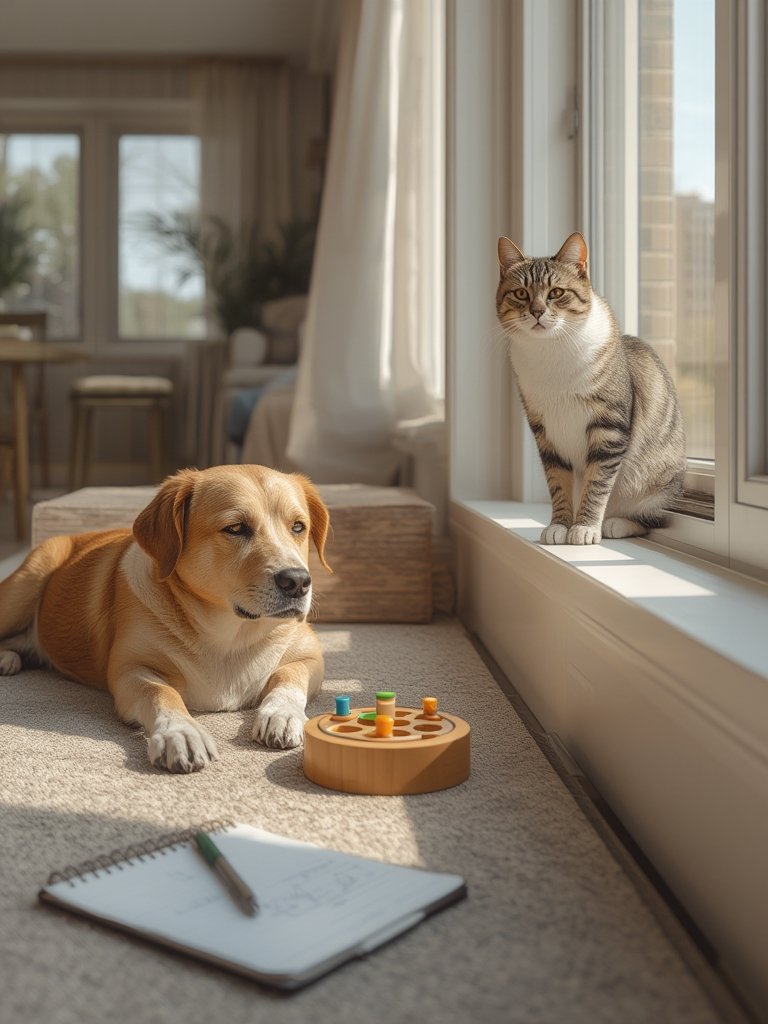
Cognitive enrichment toys offer a practical, proven way to safeguard your senior pet’s mental health. While there’s no miracle cure for dementia, studies and consensus point to the value of consistent, well-chosen enrichment. Start small, stay consistent, and always observe your pet’s unique needs. If you want to support your aging pet’s mind, incorporating cognitive enrichment toys into your daily routine is a smart, realistic first step.
Ready to give your senior pet a mental boost? Explore more enrichment strategies and discover modern toy options with our AI Smart Enrichment Toys guide or transform your whole home with our Complete Pet-Ready Living Guide.
Frequently Asked Questions
How often should I use cognitive enrichment toys with my senior pet?
Aim for daily, short sessions—5 to 15 minutes once or twice per day. The key is consistency and adapting to your pet’s mood and health.
What if my pet doesn’t seem interested in enrichment toys?
Start with simple puzzles and pair them with encouragement. Try different types or a favorite food as a motivator. If there’s still no interest, check with your vet to rule out underlying health issues.
Can enrichment toys replace exercise or walks?
No. Cognitive toys should complement, not replace, physical exercise, outdoor time, and bonding activities—especially for dogs.
Are cognitive enrichment toys safe for all pets?
Most are safe when sized appropriately and used under supervision. Always inspect toys for wear, choking hazards, and choose non-toxic materials.
Where can I find more information on creating a pet-friendly home?
See our Healthy Pet-Ready Living Guide for tips on safety, cleaning, and adapting your space for pets’ physical and mental health.