

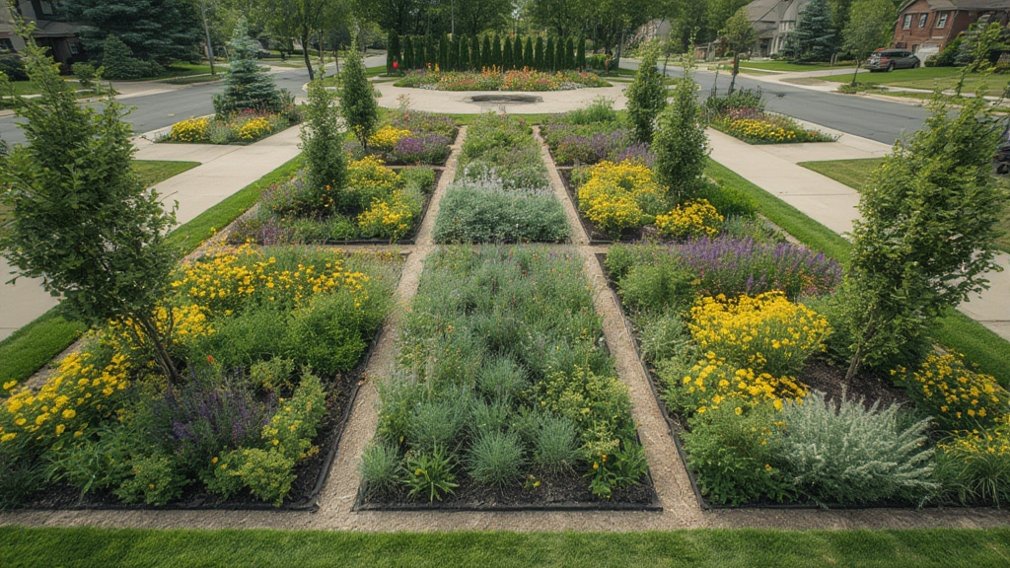
Keystone Plantings are the fastest way to supercharge your yard’s impact for local wildlife—yet most home landscapes still miss out. If you want real ecological results, it’s not about planting the most flowers or the newest cultivars. It’s about choosing the plant species proven to support the highest number of native pollinators, caterpillars, and the birds that depend on them. Here’s how to get it right, backed by clear numbers and region-specific science.
Key Takeaways
- Keystone Plantings are high-impact native trees, shrubs, and perennials that support up to 90% of local Lepidoptera (butterfly and moth) species.
- Choosing top keystone genera like Quercus (oaks), Salix (willows), and Solidago (goldenrods) yields far higher ecological results than most ornamentals or standard native mixes.
- Success requires careful selection, local sourcing, and a realistic approach to site challenges such as plant availability, cost, and maintenance.
- What Are Keystone Plantings And Why Do They Matter?
- How To Choose And Install Keystone Plantings: Step-By-Step
- Advanced Analysis & Common Pitfalls in Keystone Plantings
- Conclusion
- Frequently Asked Questions
What Are Keystone Plantings And Why Do They Matter?
Keystone Plantings are specific native plant species or genera scientifically shown to support the majority of insects and birds in any particular region. Unlike generic native plantings or ornamental beds, these species—such as Quercus (oaks), Salix (willows), and Prunus (cherries/plums)—host exponentially more butterfly and moth larvae (Lepidoptera), which are essential food for baby birds and core to ecosystem health.
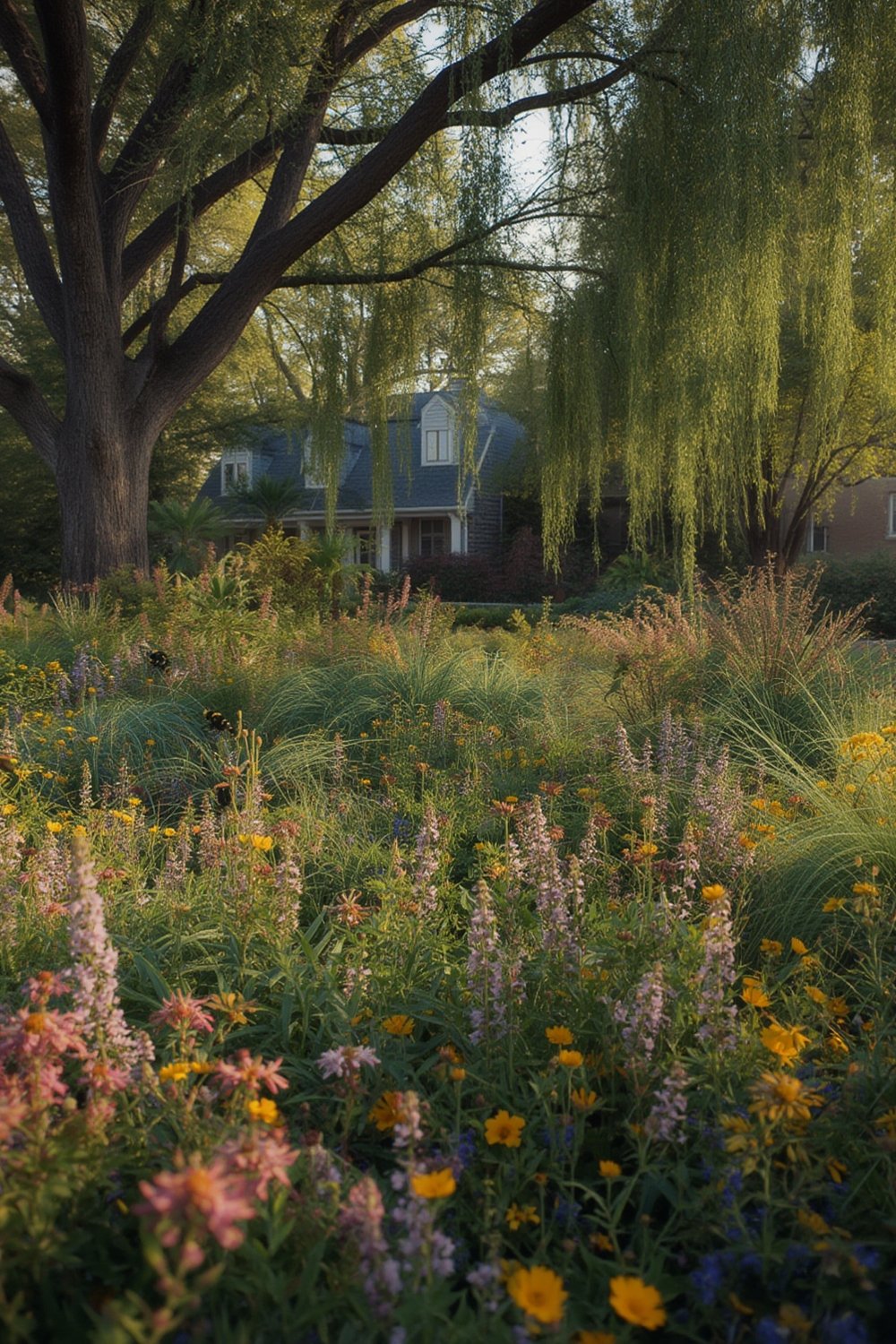
Numbers tell the story: Across North America, a small group of native keystone genera (just 14% of all native plants) support over 90% of local caterpillar species. For instance, oaks (Quercus) support 557 Lepidoptera species in the mid-Atlantic and over 950 species nationwide. In contrast, non-native trees (even popular ornamentals) may support only a handful.
Backed by Dr. Doug Tallamy’s zoological research, these plants enable urban, suburban, and rural landscapes to function as true wildlife havens—not just for pollinators but for the songbirds and beneficial insects that define resilient food webs.
Want to boost your yard’s impact even further? Pairing keystone plantings with energy efficient upgrades and water-saving fixtures can contribute to ecological and economic benefits. Find practical tips in our guides on energy efficient upgrades and smart water fixtures.
How To Choose And Install Keystone Plantings: Step-By-Step
Ready to transform your yard or community greenspace? Follow these clear steps for realistic results:
- Identify Your Ecoregion: Use USDA or NWF’s ecoregion maps to pinpoint your area. Keystone species lists vary by region—don’t skip this step.
- Select Top Keystone Genera: Prioritize oaks (Quercus), willows (Salix), cherries/plums (Prunus), birches (Betula), and pollinator superstar perennials like goldenrods (Solidago) and asters (Symphyotrichum). In Ecoregion 8 (Eastern Temperate Forests), oaks host 557+ Lepidoptera species—more than any other tree.
- Source True Natives: Always source species native to your zip code. “Lookalike” cultivars or out-of-range species (like eastern red oaks planted in Oregon) rarely deliver the same results for local fauna. Ask local nurseries for straight species sourced from regional genetics.
- Design With Structure: Combine layers—one large keystone tree, several native shrubs (like Vaccinium or Amelanchier), and herbaceous perennials for full-season resource support. Remember, even one large oak or willow massively outweighs the impact of dozens of annuals.
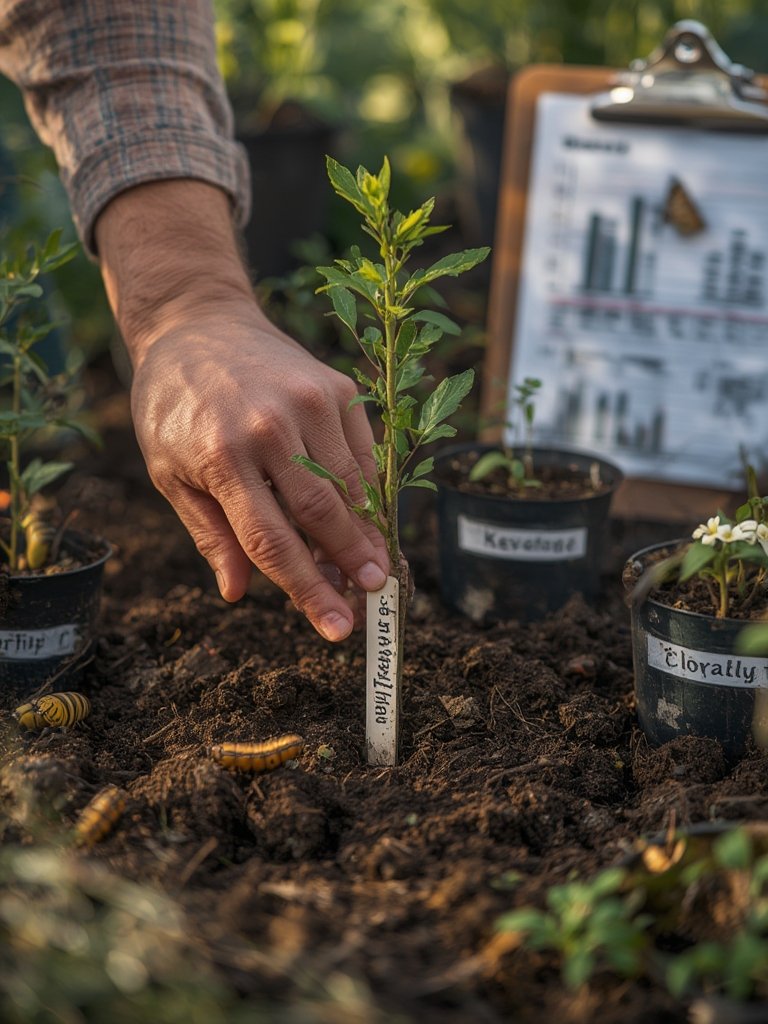
- Install Smartly: Proper planting technique is essential. Dig wide, not deep. Mulch with leaf litter, avoid chemicals, and water well during the first two years. For step-by-step DIY installation ideas, see our outdoor living space tips.
- Maintain for Longevity: Once established, native keystone trees and shrubs need little fertilizer or irrigation. Remove invasives and monitor young plants for the first two or three years to ensure success.
Want to blend function and comfort in your outdoor space after you plant? See our advice on garden furniture corner set for the perfect spot to watch your restored habitat come alive—and how to keep it looking natural not cluttered.
Advanced Analysis & Common Pitfalls in Keystone Plantings
Even the best-intentioned native plant projects get derailed by overlooked problems. Here’s a breakdown of pitfalls, realistic obstacles, and how the ecological return on investment stacks up per plant type:
- Range mismatches: Popular species sold in big box stores (e.g., red oaks, generic “native” maples) might not be truly native to your ZIP code. Out-of-range trees and shrubs often support far fewer insects—despite looking similar.
- Limited plant availability: Keystone species like true native true native stock or Salix can be hard to find at chain nurseries. Plan ahead, leverage native plant sales, or collaborate with local native plant societies for direct sourcing.
- Landscape design concerns: Some keystone trees are large and can outgrow small spaces. Consider compact cultivars of your regional species, or use high-value shrubs and herbaceous perennials as a layered compromise.
- Cost and upfront effort: While oaks and willows provide maximum wildlife benefit, they can be more expensive to install than quick annuals or cheap ornamentals. However, their ecological lifespan and benefits vastly outlast non-natives.
- Poor maintenance: Invasive weed pressure, lawnmower damage, or failure to water in year one can wipe out your investment. Mark your plantings, use mulch rings, and connect with neighbors for extra support.
| Plant Type | Genus (Example) | Average Lepidoptera Species Hosted | Ease of Sourcing | Landscape Impact |
|---|---|---|---|---|
| Tree | Quercus (Oak) | 557–957 | Rare in big box stores | Large, long-lived, high-value |
| Tree | Salix (Willow) | 456 | Moderate | Medium–large, prefers moist spots |
| Shrub | Vaccinium (Blueberry) | 217 | Moderate, look for straight species | Edible, moderate space, multiple forms |
| Perennial | Solidago (Goldenrod) | 104 | Easy | Pollinator magnet, spreads readily |
| Perennial | Symphyotrichum (Aster) | 100 | Easy | Compact or spreading, blooms late season |
The ecological value per dollar spent is highest with keystone native trees, but densely layered combinations of shrubs and perennials can work for smaller lots. For maintenance and cost, native trees demand patience up front, but offer decades of impact—unlike annual beds or fast-growing, short-lived ornamentals.
It’s also smart to combine keystone ecological design with practical home updates. For inspiration, get ideas for sustainable kitchen upgrades or learn about resilient defensible landscaping in our firescaping guide.
Conclusion
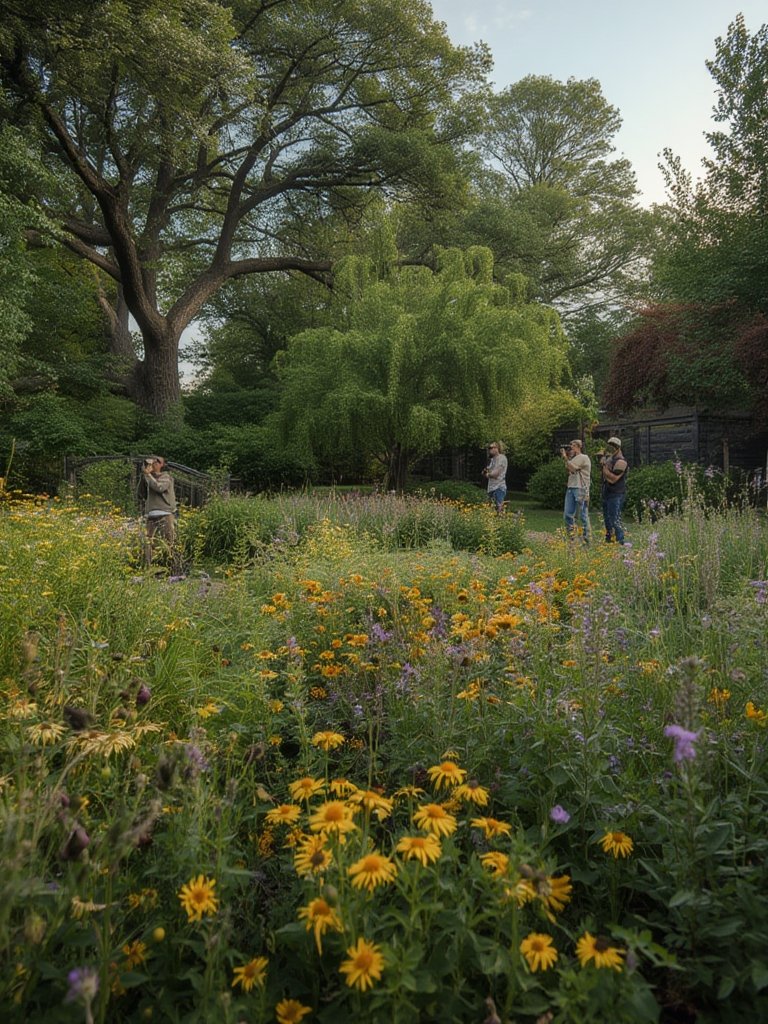
Keystone Plantings are the most effective, science-backed way for homeowners and communities to rebuild robust local food webs and help reverse biodiversity loss. Focus on oaks, willows, cherries, and top native perennials. Work with local experts to secure true native stock, and approach the process with real-world patience and flexibility. Don’t forget: Keystone Plantings outshine typical landscaping for ecological, aesthetic, and even home value benefits. Start planting today and see the transformation begin.
Ready to maximize your property for wildlife? Review your ecoregion, make a shortlist of keystone species, and connect with your neighbors or native plant organizations. Even a single tree can make a measurable difference.
Frequently Asked Questions
What is a keystone plant and why should I prioritize it?
A keystone plant is a native species that supports a disproportionately high number of insect and bird species—far more than most other plants. Planting them directly boosts local biodiversity and food webs in your yard or neighborhood.
Are keystone plants hard to find and more expensive to buy?
Some keystone species are harder to find in mainstream garden centers. Regional native plant nurseries or plant sales are your best bet. While keystone trees cost more up front than annuals, their ecological benefits last for decades.
Can I use cultivars or hybrids of keystone plants with the same results?
Not always. Some cultivars or hybrids lack the traits needed by local insects. Aim for straight species of native provenance for maximum wildlife support.
What if I don’t have space for large trees like oaks?
Use native keystone shrubs (like blueberry or viburnum) and high-value perennials (goldenrod, aster, sunflower). Even small lots can layer impactful plants for strong results.
How soon will I see results in pollinator numbers or bird visits?
Many pollinators will appear in the first season, while caterpillar and bird populations improve gradually with plant maturity. By year three, the difference is usually clear—especially compared to traditional landscapes.