

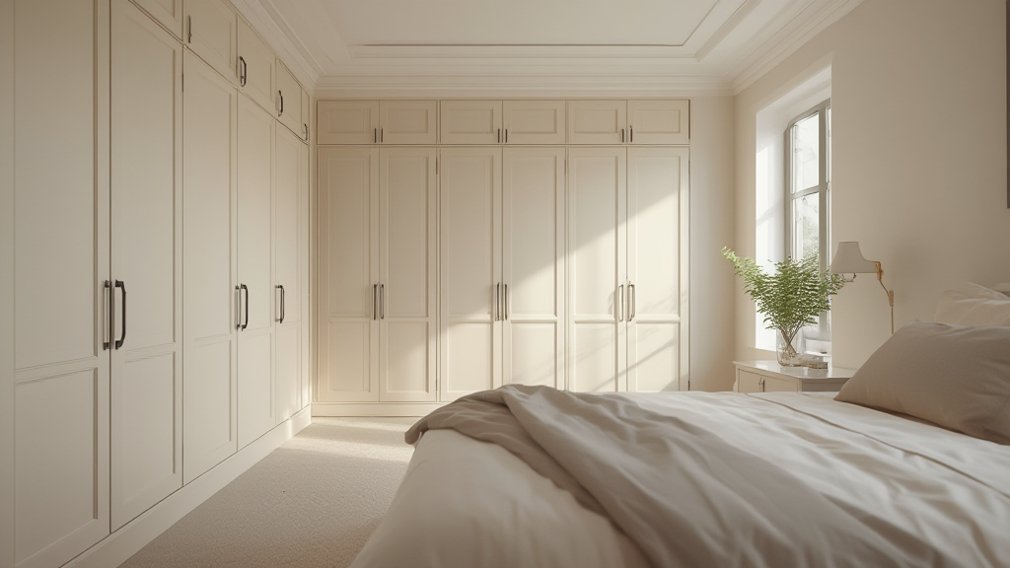
Fitted bedroom furniture is a popular solution for maximizing storage and creating a streamlined look in any home. But before you commit, it’s important to understand what truly sets fitted options apart, what could go wrong during planning or installation, and how to avoid costly mistakes.
Key Takeaways
- Fitted bedroom furniture offers a custom, seamless storage solution but comes with potential inflexibility and maintenance risks.
- Quality planning and professional installation are crucial to avoid poor storage design and expensive future modifications.
- Consider real-world pitfalls, from repair headaches to ventilation issues, before making your investment.
- What Is Fitted Bedroom Furniture and Why Choose It?
- Step-by-Step Guide to Planning and Installing Fitted Bedroom Furniture
- Advanced Analysis & Common Pitfalls
- Conclusion
- Frequently Asked Questions
What Is Fitted Bedroom Furniture and Why Choose It?
Fitted bedroom furniture refers to bespoke wardrobes, cupboards, drawers, and storage features designed to fit snugly into the specific dimensions of your room. Unlike freestanding bedroom furniture, fitted solutions are made to measure, using all available space — including awkward corners, sloped ceilings, or alcoves — to deliver a tailored, built-in look and maximum functionality.
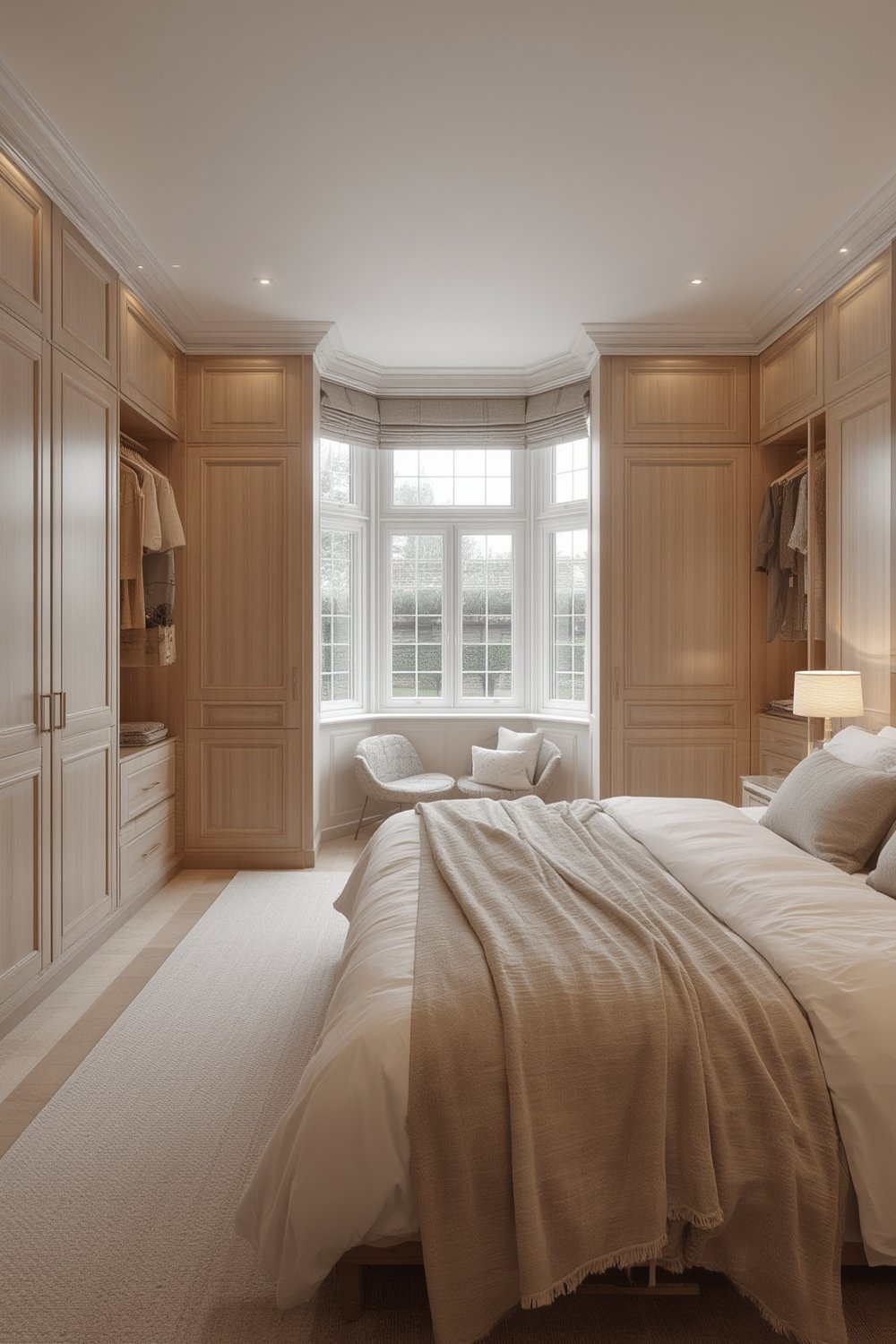
The main advantage is seamless integration: fitted bedroom furniture can transform even the most challenging rooms by eliminating wasted gaps and creating a clean, cohesive aesthetic. This approach appeals to homeowners aiming for an uncluttered bedroom, better storage, and increased resale value. However, as you’ll see in later sections, these benefits must be weighed against significant downsides that often go overlooked.
If you’re exploring alternatives, you may also want to consider coordinated 4 piece bedroom furniture sets or even modular bedroom furniture for more flexibility in changing needs or layouts.
Step-by-Step Guide to Planning and Installing Fitted Bedroom Furniture
Making the right decisions upfront is crucial to avoid wasted money or storage headaches. Here’s a step-by-step process for ensuring your fitted bedroom furniture project runs smoothly.
1. Assess Your Needs and Room Layout
Start with a detailed inventory of what you need to store. Consider seasonality, future changes such as more hanging space or extra drawers, and whether internal lighting or shoe racks would make your routine easier.
Sketch your room and mark obstacles — windows, radiators, plugs, and sloped ceilings affect where furniture can go. Factor in ventilation, especially for wardrobes on external walls or in damp homes.
2. Choose Your Style, Finish, and Features
Select a manufacturer or local carpenter. Decide on finishes, colors, handles, and internal layouts. Remember, most internal shelves and rails are fixed and costly to change later, so design for now and for what your needs might be in five years.
Visit furniture showrooms or use online planners for visual inspiration. For more on planning furniture purchases, check this home improvement planning guide.
3. Get Multiple Quotes and Check Reviews
Prices for fitted bedroom furniture can vary wildly, and quality does too. Request detailed quotes and ask about parts availability and aftercare. Search for long-standing companies with a good repair record, since discontinued parts can be a nightmare. See more buying tips in our furniture store comparison guide.
4. Prepare for Installation
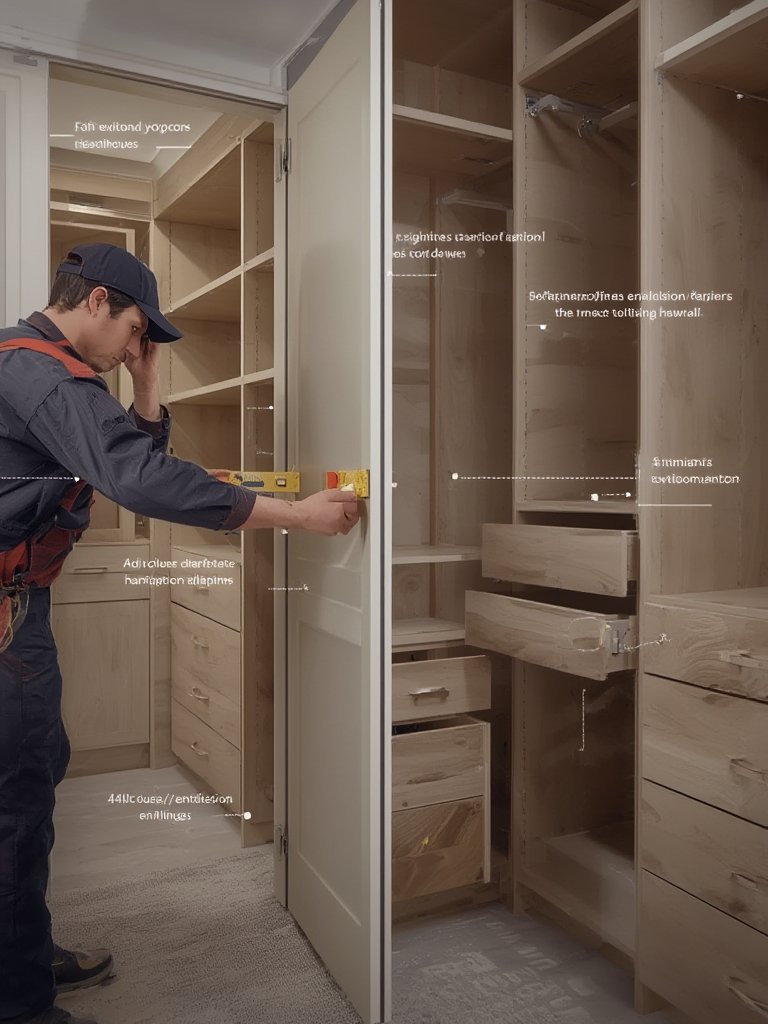
Clear the room as much as possible. Confirm with your supplier who is responsible for prepping walls, removing skirting boards or carpets, and ensuring even wall and floor levels. Poor preparation leads to misaligned doors, wobbly frames, and future failures.
Understand that installation is disruptive and can cause damage to paint, drywall, and flooring. Budget time for repairs if you move or eventually remove your fitted furniture.
5. Check Work as It’s Done
Inspect levels, hinge quality, drawer alignment, and soft-close mechanisms before signing off. Don’t be shy about raising issues with the installer — catching mistakes early saves stress and money later.
For ideas on making your bedroom more pet-friendly or considering future upgrades, check the healthy pet-ready living guide.
Advanced Analysis & Common Pitfalls
While fitted bedroom furniture can elevate a home, real-world installations often reveal common — and expensive — problems. Here’s what research and homeowner feedback reveal:
| Pitfall | Real-World Example | What To Watch For | Source |
|---|---|---|---|
| Inflexible Storage Layouts | Shelves and rails become redundant when needs change, costly to modify | Plan interior design for long coats, folded items, future changes | Source |
| Repair Headaches | Parts discontinued; specialist repairs costly (often >£800 for assessment) | Ask about long-term part availability, choose reputable supplier | Source |
| Damage to Walls & Floors | Permanent marks or holes left after removal | Budget for repairs if fitted furniture is ever removed | Source |
| Design Mistakes | Shallow drawers, doors that clash with beds | Measure opening arcs and consider furniture movement | Source |
| Ventilation & Mould | Cupboards on outside walls can grow mould or damp inside | Ensure airflow, avoid blocking air bricks or vents | Source |
| Poor Installation Quality | Misaligned doors/drawers, loose hinges, wobbly structures | Check installer reviews, inspect work at every stage | Source |
It’s also crucial to plan for the long-term. Changing your fitted layout down the line can cost nearly as much as a new installation. If you anticipate lifestyle changes (for instance, turning a bedroom into an office or nursery), a more modular solution might offer better value. For inspiration, see our childrens bedroom furniture sets guide or explore freestanding oak wardrobes as alternatives.
Proper planning also extends to energy upgrades and healthy design. Modern homes combine smart storage with features like energy-efficient upgrades and thoughtful lighting to maximize comfort and value.
Conclusion
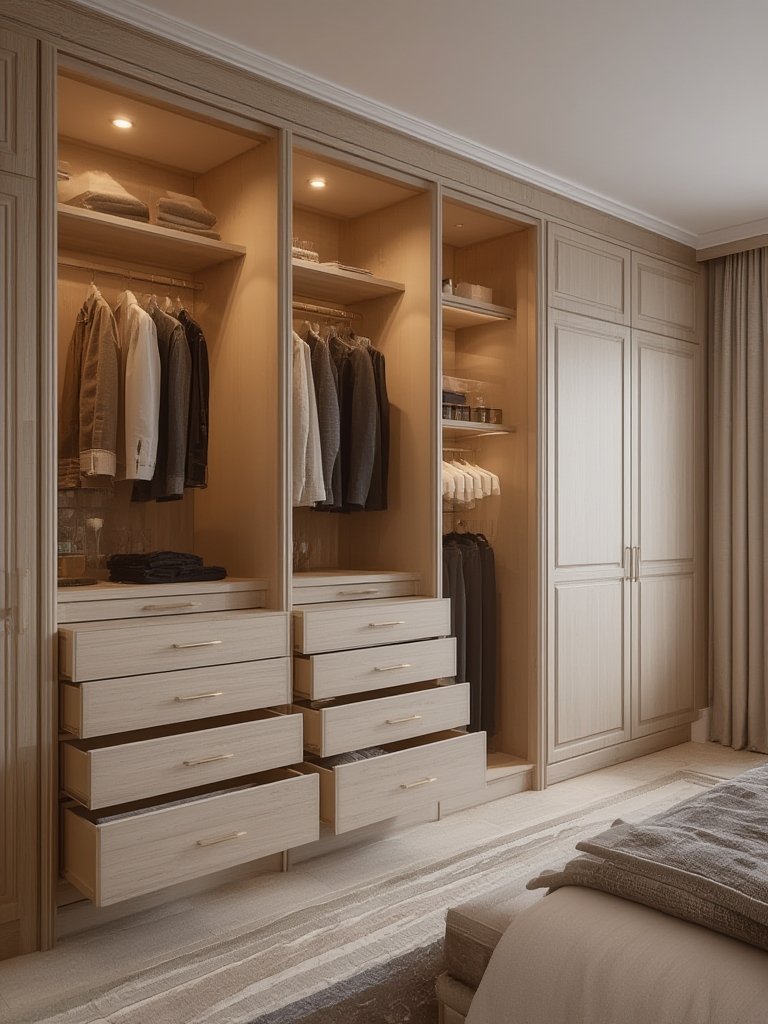
Fitted bedroom furniture delivers a made-to-measure, built-in feel, unlocking every inch of space and adding value to your home. Yet, this investment demands careful planning, a clear understanding of pitfalls, and choosing reliable suppliers. Address storage for the present and the future, and always inspect installation work. By following the steps above and preparing for real-world issues, you’ll enjoy all the benefits of fitted bedroom furniture — without the regret.
Ready to upgrade your storage or want help comparing your options? Explore our guides, or get a free virtual planning session today.
Frequently Asked Questions
Is fitted bedroom furniture worth it compared to freestanding options?
Fitted bedroom furniture maximizes every nook and customizes storage to your needs, but it’s more expensive and less flexible than freestanding furniture. Off-the-shelf alternatives offer easier relocation and future room changes, but may leave wasted space.
What are the hidden costs with fitted wardrobes?
Hidden costs often include expensive repairs, discontinued parts, wall or flooring repairs after removal, and extra charges for changes in shelving or hardware after installation. Always ask for itemized quotes and future part availability.
How long does installation usually take?
Installation times vary, but most fitted bedroom furniture projects take 1-5 days depending on room size and design complexity. Preparation and proper wall leveling can add extra time, especially in older homes.
Can fitted wardrobes cause mould or damp?
Yes, especially if placed against cold or poorly ventilated walls. Always ask your installer about ventilation strategies and check for existing damp before proceeding.
Are modular bedroom units a good alternative?
Absolutely — modular bedroom furniture is easier to reconfigure in future, costs less to update, and offers many of the benefits of built-ins with added flexibility. Learn more in our modular bedroom furniture guide.