

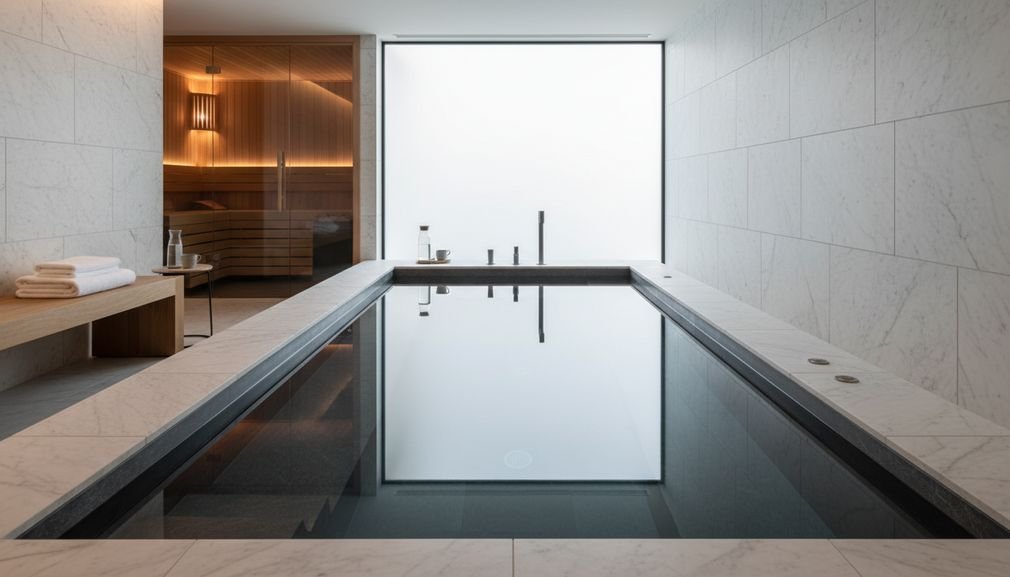
A successful Indoor Cold Plunge Installation is not just about buying a tub; it’s a significant home improvement project that demands meticulous planning, professional expertise, and a clear understanding of the total investment. For the discerning homeowner, creating a permanent wellness sanctuary is an attainable luxury, but avoiding costly oversights requires looking far beyond the price of the unit itself. This guide provides a realistic, comprehensive roadmap to ensure your investment enhances both your health and your home’s value.
Key Takeaways
- A luxury indoor cold plunge installation is a comprehensive project with an all inclusive cost of $8,000 to $30,000+, covering the unit, professional trades, and potential structural modifications.
- Critical prerequisites include a dedicated electrical circuit, proper plumbing for drainage and water supply, and a structural assessment to ensure the floor can support the weight of the filled tub.
- Homeowners must proactively investigate local building codes, permit requirements, and insurance implications before work begins, as these are frequently overlooked and can cause significant delays and liability issues.
- The All-Inclusive Price Tag: Understanding Your Luxury Indoor Cold Plunge Investment
- Beyond the Tub: Critical Structural, Electrical, and Plumbing Prerequisites
- Navigating the Unknowns: Permits, Codes, and Insurance Implications
- The Real Cost of Serenity: Long-Term Operating Expenses & Maintenance
- Designing Your Personal Oasis: Integrating a Built-In Cold Plunge into Your Recovery Room
- Forewarned is Forearmed: Avoiding Common Installation Pitfalls
- Making the Right Choice: Selecting Your Permanent Cold Plunge System
- Your Journey to Elevated Wellness: A Summary of Smart Investment
- Frequently Asked Questions
The All-Inclusive Price Tag: Understanding Your Luxury Indoor Cold Plunge Investment
When planning for a luxury ice bath in your home, it’s essential to look at the complete financial picture. The sticker price of the plunge unit is only the beginning. A realistic budget must account for the unit, professional installation by licensed plumbers and electricians, and any necessary modifications to your home’s structure or systems. These costs can vary significantly based on the complexity of the installation and the level of luxury you desire.
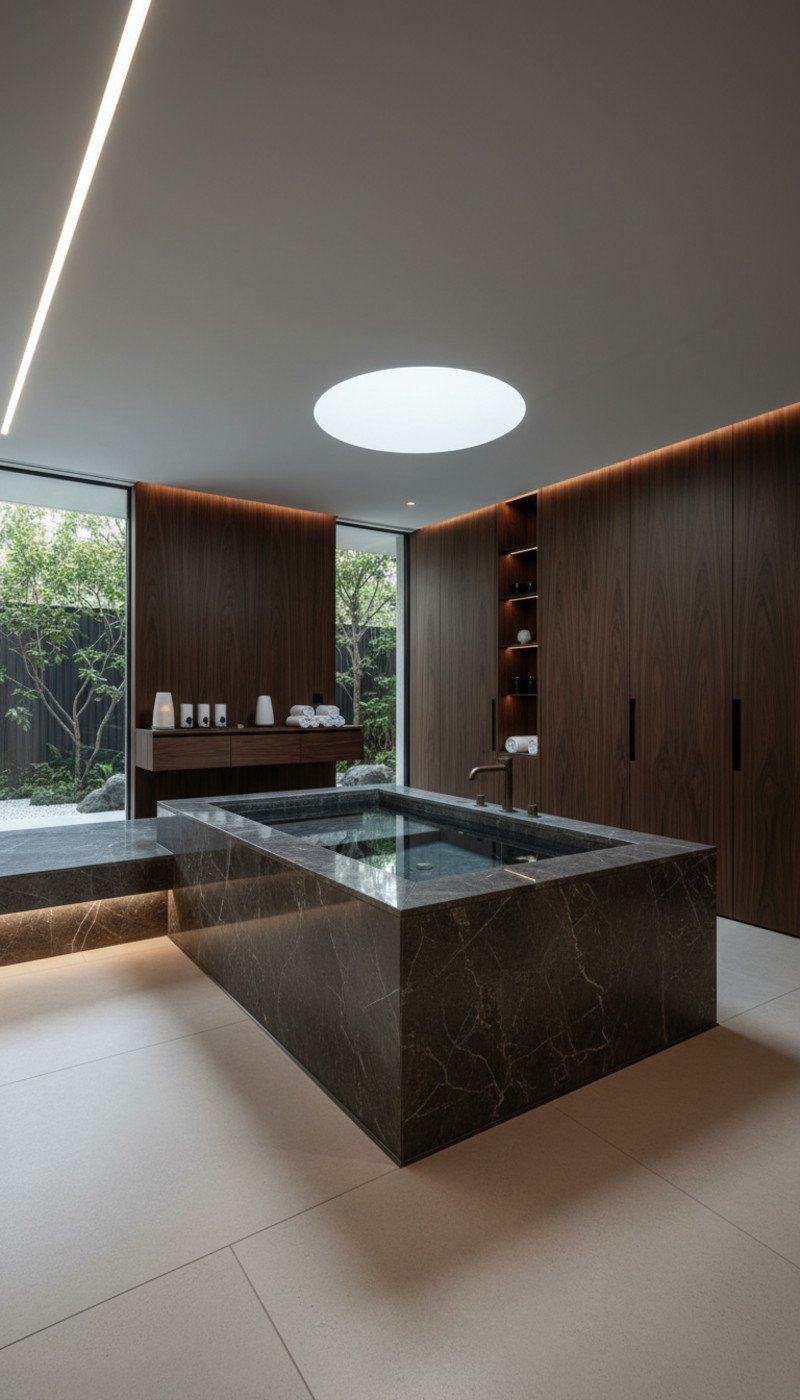
According to industry data, the all-inclusive cost for permanent luxury indoor cold plunge systems typically ranges from $8,000 to over $30,000. This wide range reflects the difference between a basic luxury setup and a high-end, bespoke installation. Let’s break down the numbers:
- Unit Costs: Premium residential models generally cost between $5,000 and $15,000. For those seeking the absolute best in performance and durability, commercial grade systems can exceed $20,000.
- Professional Installation: Expect to budget between $500 and $2,000 for licensed plumbers and electricians to handle the specialized connections your system requires. This is not a DIY project.
- Total Investment Range: A basic luxury configuration, including a quality unit and standard installation, will likely fall between $6,000 and $10,000. A high-end configuration with a top tier unit, complex installation, and custom finishes can easily reach $9,000 to $35,000 or more.
Understanding these figures upfront prevents budget surprises and allows for a smoother planning process. Just as with high-value projects like a full kitchen remodel, comprehensive budgeting is the first step toward a successful outcome.
Beyond the Tub: Critical Structural, Electrical, and Plumbing Prerequisites
A permanent built-in cold plunge pool is far more demanding than a portable appliance. Its successful integration depends on having the right infrastructure in place. While detailed technical specifications vary by manufacturer, several non-negotiable prerequisites must be addressed by licensed professionals before you purchase a unit.
Structural Integrity
Water is incredibly heavy. A filled cold plunge can weigh over 2,000 pounds, plus the weight of the occupant. Your floor must be able to support this significant load. An engineer or experienced contractor needs to assess your chosen location, especially if it’s on an upper floor. Research indicates that indoor installations may require “reinforced floors,” a modification that must be professionally evaluated and executed to prevent catastrophic failure.
Electrical Requirements
The powerful chiller that keeps your water consistently cold is an energy-intensive component. Nearly all permanent home cryotherapy tub systems require a dedicated electrical circuit, often 220V, similar to a large appliance like a clothes dryer. An electrician must verify your home’s electrical panel can handle the additional load and run a new, properly grounded line to the installation site. Skimping on this step is a serious fire hazard.
Plumbing and Drainage
A built-in cold plunge pool needs a dedicated water supply line and, more importantly, a functional drainage system. A licensed plumber will need to connect the tub to your home’s plumbing. This includes installing an accessible and appropriately sized drain to handle the volume of water when emptying the tub for maintenance. Proper plumbing prevents leaks, water damage, and ensures easy servicing. A well-planned plumbing setup is a key component of any successful bathroom or wellness space renovation.

Navigating the Unknowns: Permits, Codes, and Insurance Implications for Your Home Wellness Installation
One of the most frequently overlooked aspects of a permanent home cryotherapy tub installation is the administrative and legal groundwork. Unfortunately, research shows a significant lack of specific data on building codes or permit requirements for residential cold plunges. This data gap highlights a critical risk for homeowners: you cannot assume this is an unregulated upgrade.
Before any work begins, you must take the following steps:
- Contact Your Local Building Department: Ask them directly if a permit is required for installing a permanent, plumbed-in therapeutic tub. They will provide information on necessary inspections, which may cover electrical, plumbing, and structural work. Failing to secure a permit can result in fines and difficulty selling your home in the future.
- Consult Your Insurance Carrier: A permanent cold plunge could be classified similarly to a hot tub or swimming pool, potentially impacting your homeowner’s insurance policy. Discuss the project with your agent to understand any changes to your coverage or liability. Full transparency is essential to ensure you are protected.
This proactive approach, while tedious, is a hallmark of a well-managed home improvement project. It’s the same diligence required for major energy efficient upgrades or structural changes. Do not rely on your contractor to handle this alone; be an active participant in ensuring your recovery room design is fully compliant.
The Real Cost of Serenity: Long-Term Operating Expenses & Maintenance
Your financial commitment to a luxury ice bath home does not end after the installation. Like any sophisticated piece of equipment, a cold plunge requires ongoing maintenance and consumes energy. Budgeting for these long-term operational costs ensures you can enjoy your wellness investment without financial strain.
Ongoing expenses generally fall into three categories:
- Electricity: The chiller is the primary energy consumer. Monthly electricity costs can range from $20 to $50, depending on the chiller’s efficiency, your ambient room temperature, and your frequency of use.
- Sanitation: To keep the water clean and safe, you will need to budget for sanitation supplies. This can include filters, sanitizing agents like ozone or UV systems, and water testing kits. These supplies typically cost $10 to $30 per month.
- Professional Servicing: While specific component lifespan data is limited, regular maintenance is key to longevity. Overall annual expenses for maintenance and energy can range from $500 to $2,000. We recommend an annual professional check-up to inspect the chiller, pump, and filtration systems to keep them running optimally.
Factoring these costs into your household budget ensures that your path to recovery remains serene and stress-free for years to come.
Designing Your Personal Oasis: Integrating a Built-In Cold Plunge into Your Recovery Room
A built-in cold plunge pool should be a seamless and beautiful addition to your home, not just a functional appliance. The design of the surrounding space is critical for creating a true wellness sanctuary. When planning your recovery room design, consider the following key elements.
Moisture and Ventilation Management
A tub of cold water in a warm room will create condensation. Proper ventilation is not optional; it’s essential to prevent mold, mildew, and long-term damage to your home. Install a high-capacity bathroom exhaust fan ducted to the outside. Consider using moisture-resistant materials for flooring, walls, and ceilings, such as tile, stone, or specialized waterproof drywall.
Aesthetics and Materials
The materials you choose should complement your home’s luxury aesthetic. Common choices include tiling the surround of the plunge, creating a wood deck-style enclosure, or integrating it into a larger stone or marble feature. Ensure all materials are rated for wet environments. Thoughtful lighting, such as dimmable recessed lights or sconces, can enhance the spa-like atmosphere.
Soundproofing and Location
The chiller and pump components generate noise. While high-end models are designed to be quiet, they are not silent. Consider placing the mechanical equipment in an adjacent closet, mechanical room, or even outside to minimize noise in your recovery space. If the equipment must be in the same room, enclosing it in a sound-dampened cabinet can make a significant difference.
Forewarned is Forearmed: Avoiding Common Installation Pitfalls
While the research didn’t uncover specific homeowner “nightmares,” any major home project has the potential for challenges. A proactive and comprehensive planning phase is the best way to mitigate risk and avoid post-installation regrets with your luxury ice bath home.
Here is a comparison of potential issues and how to proactively address them:
| Potential Pitfall | Proactive Solution |
|---|---|
| Unexpected Structural Costs | Commission a professional structural assessment *before* purchasing the unit. Get a firm quote for any required floor reinforcement. |
| Excessive Condensation & Moisture Damage | Plan for a high-CFM exhaust fan and use waterproof building materials (e.g., tile, waterproof membrane) in the immediate area. |
| Disruptive Chiller Noise | Discuss the chiller’s decibel rating with the manufacturer. Plan to locate the mechanical equipment in a separate, insulated space if possible. |
| Higher Than Expected Energy Bills | Choose a model with a high-efficiency chiller and a well-insulated tub. A tight-fitting lid is also crucial for minimizing energy loss. |
| Difficult or Costly Maintenance Access | Ensure your design for the built-in cold plunge pool includes an accessible service panel for the pump, chiller, and filter. |
Thorough planning with qualified professionals is the single most effective strategy for preventing these common issues.
Making the Right Choice: Selecting Your Permanent Cold Plunge System
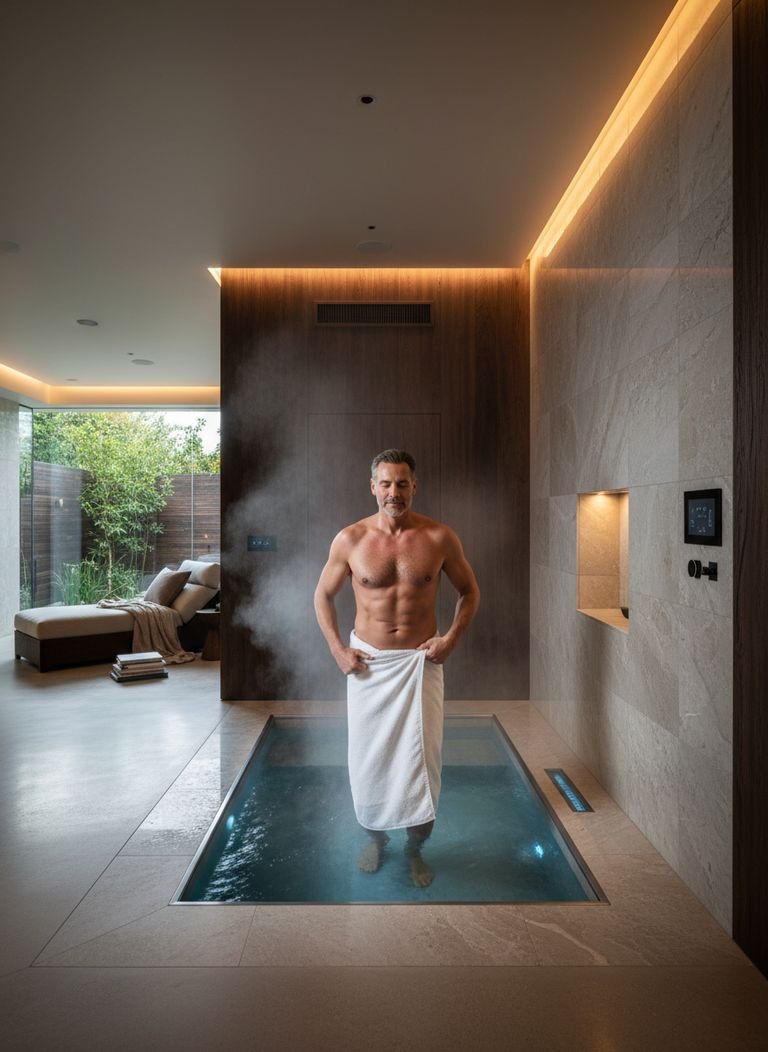
With a clear understanding of the installation requirements, you can focus on selecting the right home cryotherapy tub. For a luxury investment, look beyond the price and evaluate the features that deliver long-term value, performance, and ease of use.
Key Features to Evaluate:
- Chiller Power & Efficiency: A more powerful chiller will cool the water faster and maintain its temperature more effectively. Look for models known for their energy efficiency to manage long-term operating costs.
- Filtration and Sanitation: A high-quality system should include multi-stage filtration (e.g., a micron filter) combined with a sanitizing system like an ozone generator or a UV sterilizer. This reduces the need for chemical additives and makes maintenance easier.
- Build Quality and Materials: The tub itself should be made from durable, non-porous materials like acrylic or stainless steel. Pay attention to the quality of the plumbing components and the overall construction.
- Smart Home Compatibility: Many modern systems offer Wi-Fi connectivity, allowing you to control temperature, filtration cycles, and scheduling from a smartphone app. This aligns perfectly with a fully integrated home, and you might consider hiring smart home installation services to connect it with your wider ecosystem.
Investing in a premium model, typically in the $5,000 to $15,000 range, often provides a quieter, more efficient, and more reliable experience, justifying the upfront cost through better performance and longevity.
Your Journey to Elevated Wellness: A Summary of Smart Investment
Integrating a permanent cold plunge into your home is a powerful commitment to your health and well-being. This journey, however, begins not with a purchase, but with a plan. A successful outcome hinges on a comprehensive understanding of the total cost, a diligent approach to structural and utility prerequisites, and proactive navigation of codes and regulations.
By partnering with qualified professionals—contractors, electricians, plumbers, and structural engineers—you transform a complex construction project into a predictable investment. This meticulous planning ensures that the final result is a seamless, safe, and serene addition to your home. A proper Indoor Cold Plunge Installation is an investment that pays dividends in health, recovery, and daily wellness for years to come.
Ready to take the next step? Begin by scheduling a consultation with a trusted local contractor to assess your space and start building your plan.
Frequently Asked Questions
What is the realistic all-in cost for an indoor cold plunge?
A realistic all-inclusive budget for a permanent indoor cold plunge is between $8,000 and $30,000+. This range covers the unit ($5,000+), professional plumbing and electrical work ($500–$2,000), and potential structural modifications or high-end finishing work.
Can I install a cold plunge on the second floor of my house?
Potentially, but it requires a structural engineer’s assessment. A filled cold plunge with an occupant can weigh over 2,000 pounds. The floor joists in the proposed location must be verified to safely support this significant load, and reinforcement is often necessary.
Do I need a special permit for a built-in cold plunge?
It is very likely. Because it involves significant electrical and plumbing work, most municipalities will require a building permit and subsequent inspections. You must contact your local building authority *before* starting the project to understand the specific requirements in your area.
What are the biggest hidden costs of an indoor cold plunge installation?
The most common hidden costs are structural reinforcement for flooring, the need for a major electrical panel upgrade if yours is at capacity, and extensive ventilation work to manage condensation and prevent mold. A thorough pre-installation site assessment by professionals can help identify and budget for these items upfront.
How much does it cost to run a cold plunge every month?
Ongoing operational costs typically range from $30 to $80 per month. This includes about $20 to $50 for electricity to run the chiller and $10 to $30 for sanitation supplies like filters and water treatment solutions.