

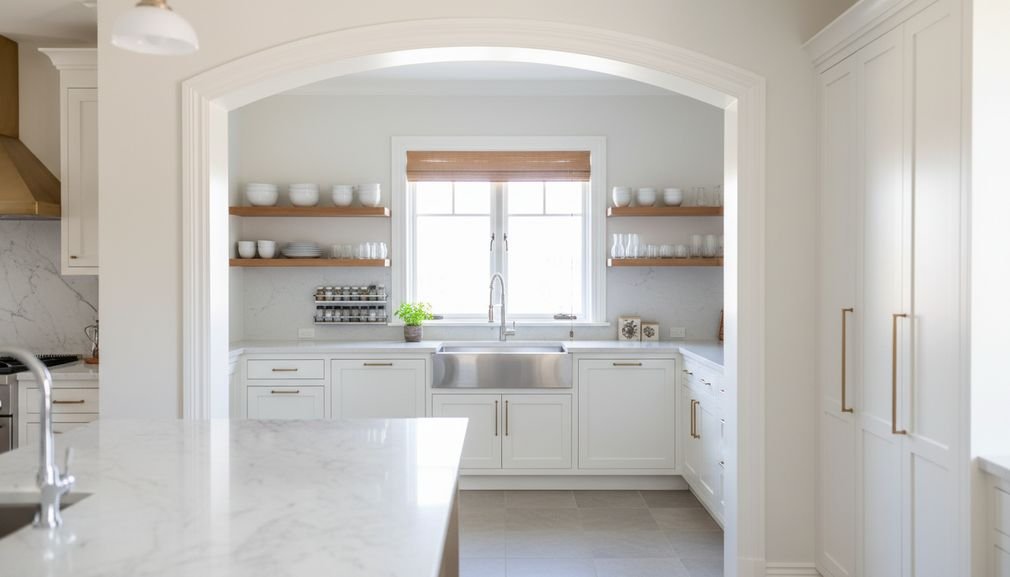
A successful Kitchen Scullery Conversion requires more than just inspiration from a design magazine; it demands meticulous planning and an honest assessment of technical realities, especially for a trend that is still ahead of standardized market data. This guide walks you through the critical, often overlooked details to ensure your scullery is a functional powerhouse, not a costly afterthought.
Key Takeaways
- A scullery is a secondary, functional kitchen designed to hide meal prep, cooking messes, and dirty dishes, keeping the main kitchen pristine for entertaining.
- There is currently no specific market data for kitchen scullery conversion ROI, costs per square foot, or adoption rates, making professional consultation essential for budgeting.
- Technical requirements like plumbing for a secondary sink, dedicated electrical circuits for appliances, and proper ventilation are critical for function and are often overlooked in the initial design phase.
- Beyond the Pantry: Understanding the Kitchen Scullery Conversion
- The Growing Appeal: Why Homeowners Are Converting to Sculleries
- Navigating the Unknowns: Costs, ROI, and Market Trends in Scullery Conversions
- Overlooked Details: Critical Technical Considerations for Your Scullery
- Beyond the Blueprint: Anticipating Workflow and Operational Challenges
- Making it Work: Practical Advice for a Successful Scullery Project
- Conclusion: Is a Scullery Conversion Right for You?
- Frequently Asked Questions
Beyond the Pantry: Understanding the Kitchen Scullery Conversion
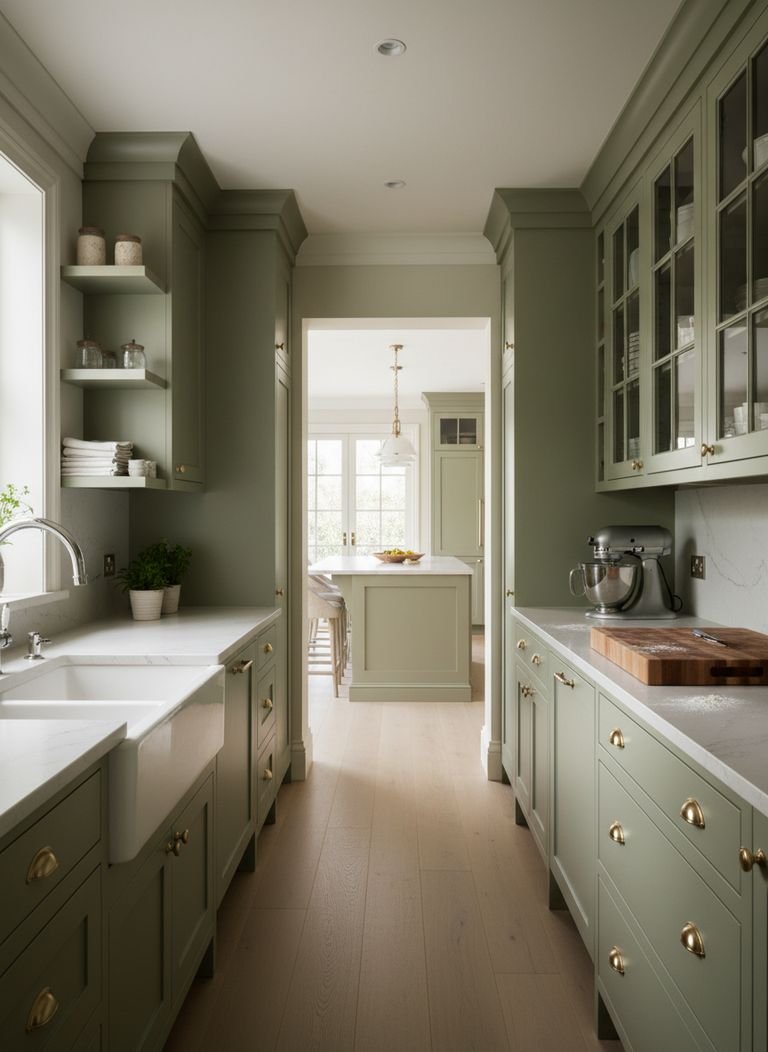
First, let’s clarify what a scullery is and what it is not. A pantry is primarily for storage—dry goods, bulk items, and perhaps small appliances. A scullery, on the other hand, is a working extension of your kitchen. It’s a dedicated space, often hidden from the main entertaining area, that contains the messier aspects of cooking and cleanup. Think of it as a “hidden mess kitchen” or a “dirty kitchen” layout, equipped with its own sink, dishwasher, counter space for prep work, and additional storage. As described by industry experts, it is a secondary kitchen ideal for passionate cooks who want to keep their main kitchen spotless while entertaining.
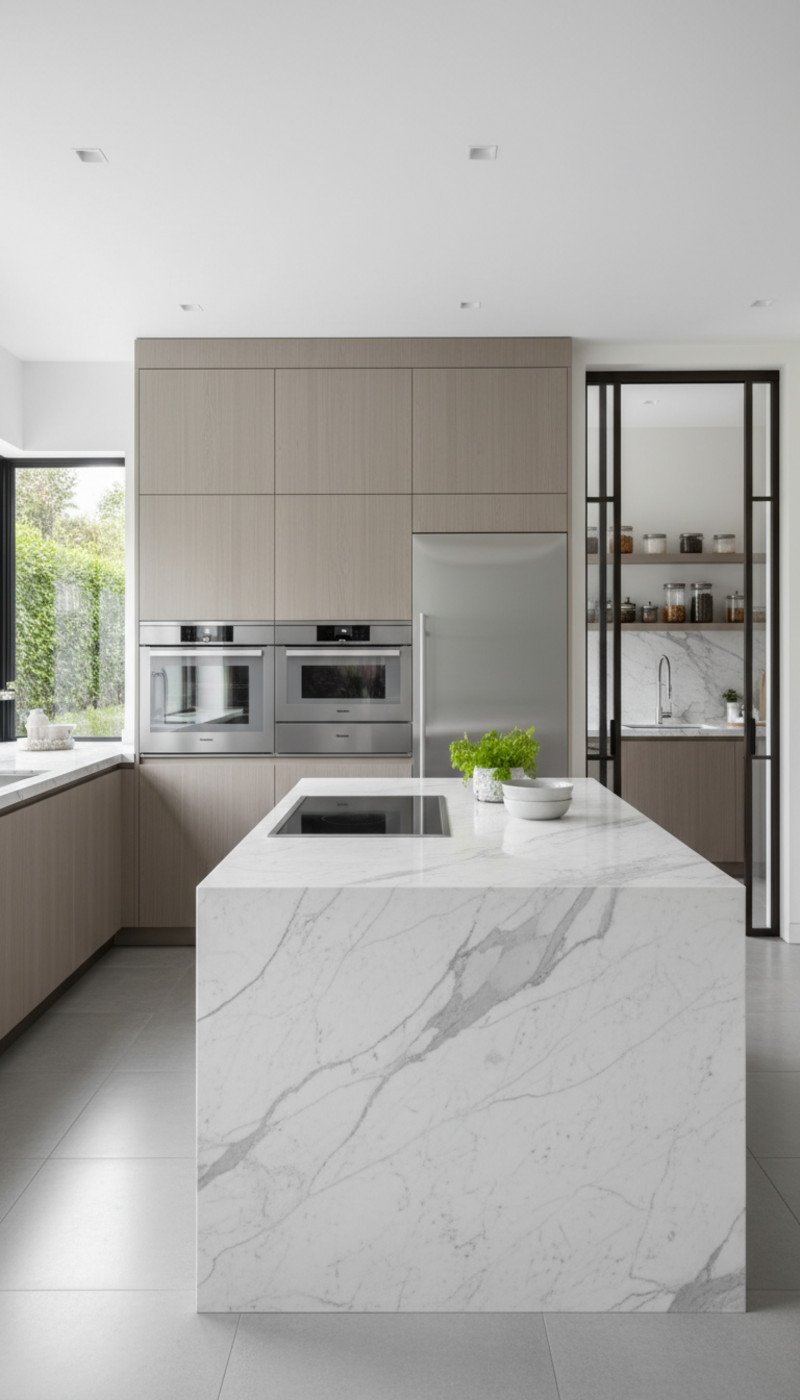
The primary purpose of a kitchen scullery conversion is to create functional zones. The main kitchen becomes the “show kitchen”—a clean, beautiful space for guests to gather. The scullery becomes the “workhorse kitchen,” where the real chopping, mixing, and washing happens out of sight. This separation is the core of its appeal, transforming how a home operates during daily life and especially during social events.
The Growing Appeal: Why Homeowners Are Converting to Sculleries
The trend towards sculleries is driven by the modern desire for open-plan living without the associated clutter. Homeowners invest heavily in beautiful kitchens with high end finishes, like a marble slab backsplash, and want to keep them looking pristine. A “dirty kitchen” layout allows for exactly that. All the chaos of meal preparation—from vegetable peels and flour dust to stacks of dirty pots—is contained within the scullery.
This concept elevates the functionality of a walk-in pantry into a true walk-in prep kitchen. For those who love to entertain, it’s a game changer. You can prepare a multi-course meal without your guests seeing a single dirty dish. The workflow is streamlined: prep in the scullery, cook and serve in the main kitchen, and return used items to the scullery for cleanup later. This trend is gaining traction, with the National Kitchen & Bath Association (NKBA) identifying sculleries as a key trend for 2026, noting that homeowners are increasingly converting spaces like breakfast nooks into these highly functional work zones.
Navigating the Unknowns: Costs, ROI, and Market Trends in Scullery Conversions
Here is the critical reality check: if you are looking for hard data on the return on investment for a kitchen scullery conversion, you will not find it. Our research confirms that as of 2024, there are “no specific market statistics on average ROI, project cost ranges per sq ft, or adoption rates for kitchen scullery conversions.” This lack of data means you cannot rely on standard benchmarks to budget or to justify the expense based on resale value.
A scullery is a bespoke, luxury feature. Its cost is entirely dependent on size, the level of finish, the appliances you include, and the complexity of running new plumbing and electrical lines. Because there are no standardized project cost ranges, you must approach this as a custom project. Work with a designer and contractor to get detailed, line-item quotes based on your specific plans.
While scullery-specific data is absent, the broader kitchen market provides some context. The US kitchen cabinet market is projected to grow 2.2% annually, reaching $20.6 billion by 2028, according to a report by The Freedonia Group. This indicates sustained investment in kitchen spaces. However, a scullery’s value is currently more about lifestyle enhancement than a quantifiable ROI, much like other high-end kitchen remodel ideas aimed at improving daily life.
Overlooked Details: Critical Technical Considerations for Your Scullery
The biggest pitfall in a kitchen scullery conversion is underestimating the technical requirements. It is not just about adding cabinets and a countertop; you are building a small, secondary kitchen, which requires significant infrastructure. Our research found a stark lack of detail on these technical minimums in public-facing articles, which tend to focus only on aesthetics.
Plumbing for a Secondary Sink
A scullery is not a scullery without a sink. Installing a secondary pantry sink involves more than just connecting pipes. You must consider:
- Drainage: Can your existing drain lines handle another sink, potentially with a garbage disposal? The new drain needs to be properly sloped and vented to prevent clogs and odors. This often requires opening up walls and floors.
- Water Supply: You will need to run both hot and cold water lines to the new location. A plumber must assess if your current system can maintain adequate water pressure with an additional fixture.
- Appliance Hookups: If you plan to add a dishwasher, you will need dedicated water supply and drainage for it as well.
Electrical and HVAC Systems
A functional scullery needs robust electrical support and proper air management.
- Dedicated Circuits: Major appliances like a second refrigerator, dishwasher, microwave, or wine cooler require their own dedicated circuits to prevent overloading your home’s main electrical panel. Simply tapping into an existing outlet is not safe or code-compliant.
- Lighting: Good task lighting is non-negotiable for a prep space. Plan for under-cabinet LEDs and overhead lighting on a separate switch from the main kitchen. Consider adding these features to your overall smart home installation services plan for automated control.
- Ventilation: If you plan to do any cooking or use heat-generating appliances in the scullery, proper ventilation is crucial to manage heat, steam, and odors. This could mean installing a dedicated exhaust fan ducted to the exterior, not just recirculating air. This is a critical factor often missed in a standard pantry conversion.

Ignoring these technical details leads to failed inspections, safety hazards, and a space that does not function as intended. These are not DIY tasks; they require licensed professionals.
Beyond the Blueprint: Anticipating Workflow and Operational Challenges
Just as there is no data on costs, our research found “no data on common design regrets, workflow issues, or unexpected challenges reported by homeowners post-scullery conversion.” This means you must be extra diligent in the planning phase to anticipate problems yourself. Think critically about how you will actually use the space day to day.
Common workflow issues often stem from poor layout. Consider the “kitchen work triangle” (sink, refrigerator, prep space) within your scullery. Is there enough counter space on either side of the sink? Is the dishwasher positioned so you can open it fully without blocking a walkway? Will you be constantly running back and forth to the main kitchen for a forgotten tool or ingredient?
One potential design regret is creating a space that is too small or cramped, making it unpleasant to work in. Another is not including enough dedicated storage, which defeats the purpose of organization. Think beyond aesthetics. A hidden pantry door is a stylish touch, but if it opens awkwardly or is too heavy, it will become an daily annoyance.
| Potential Pitfall | Proactive Planning Solution |
|---|---|
| Inefficient Workflow | Map out your most common cooking tasks. Physically walk the path between the scullery and main kitchen to ensure it feels natural and efficient. |
| Inadequate Lighting | Prioritize layered lighting: bright overhead for general visibility and focused task lighting directly over countertops. |
| Insufficient Ventilation | If using any heat or steam-producing appliance (coffee maker, toaster oven, cooktop), install an exhaust fan that vents directly outside. |
| Poor Storage Planning | Inventory everything you plan to store in the scullery and design shelving and cabinetry specifically for those items (e.g., deep drawers for pots, vertical slots for platters). |
Making it Work: Practical Advice for a Successful Scullery Project
Given the lack of standardized data and the high potential for technical complexity, a successful project hinges on a rigorous planning process. The market outlook shows promise, especially in the high-end segment. According to the NKBA’s Q3 2024 Market Index, while overall 2024 growth is tepid, an 8% growth is projected for 2025, particularly in luxury renovations (KBMI Report).
The Planning Phase
- Define the Function: Be specific. Is this just for prep and dishes? Or will it house a second oven, a wine fridge, or a coffee station? The function dictates the infrastructure.
- Consult Professionals Early: Before you fall in love with a design, bring in a general contractor, a plumber, and an electrician. They will provide a reality check on feasibility and cost. This is the most important step.
- Measure Everything: Consider appliance dimensions, door swing radiuses, and clearance for walkways. Create a detailed floor plan.
- Budget for the Unknown: Since this is custom work, build a contingency fund of 15-20% into your budget to cover unexpected structural, plumbing, or electrical issues. Think of it as part of your overall home improvement planning.
The Construction Phase
- Pull the Right Permits: Any project involving new plumbing and electrical work will require permits and inspections. Your contractor should handle this, but it is your responsibility to ensure it happens.
- Prioritize Infrastructure First: All the “ugly” work—running pipes, wiring, and ductwork—happens before any drywall or cabinets go in. Ensure this is done correctly and passes inspection before moving on.
- Communicate Constantly: Stay in close contact with your project manager. Regular check-ins can catch small misunderstandings before they become big, expensive problems.
Conclusion: Is a Scullery Conversion Right for You?
A scullery can be a transformative addition for passionate cooks and frequent entertainers, offering unparalleled organization and a perpetually clean main kitchen. However, it’s a significant undertaking that goes far beyond a simple pantry upgrade. The lack of market data on costs and ROI underscores the need to view this as a lifestyle investment rather than a strategic financial one.
A successful Kitchen Scullery Conversion depends entirely on acknowledging the technical complexities and investing in professional expertise from day one. By prioritizing function, planning for hidden infrastructure, and budgeting realistically, you can create a hardworking space that truly enhances your home and how you live in it.
Frequently Asked Questions
What is the main difference between a scullery and a butler’s pantry?
A scullery is a “workhorse” kitchen focused on messy prep work and cleaning, always containing a sink and often a dishwasher. A butler’s pantry is traditionally a transitional space between the kitchen and dining room used for storing and staging formal tableware, glassware, and linens; it may or may not have a small sink.
Does a kitchen scullery conversion add value to a home?
Currently, there is no specific data to prove a scullery adds a quantifiable amount to a home’s resale value. In the high-end market, it is considered a luxury feature that can increase a home’s appeal to the right buyer (e.g., someone who entertains frequently), but it is unlikely to provide a dollar-for-dollar return on investment like a standard kitchen remodel might.
What is the minimum size for a functional scullery?
While there is no strict rule, a truly functional scullery that includes a sink, a small stretch of countertop for prep, and some storage typically requires a space at least 5 feet by 7 feet. Anything smaller becomes more of a utility closet with a sink and may suffer from workflow issues.
Can I convert a walk-in pantry into a scullery?
Yes, this is a common approach. However, the biggest challenge is adding the necessary infrastructure. You will need to run new plumbing (supply and drain lines) and electrical (dedicated circuits for appliances) into the space, which can be complex and expensive depending on your home’s layout.
What are the most important appliances to include in a scullery?
The two most critical components are a deep sink and a dishwasher. These form the core of the scullery’s cleanup function. After that, a second refrigerator or freezer is the most popular addition, followed by a microwave or a specialized appliance like a wine fridge or coffee machine, depending on the homeowner’s lifestyle.