

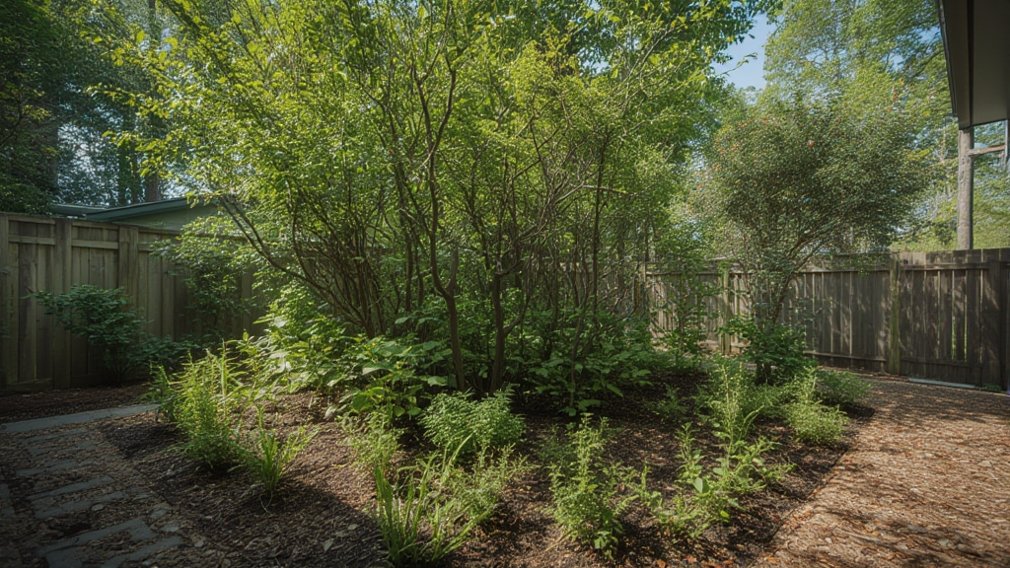
Miyawaki Pocket Forests are revolutionizing how we bring dense, biodiverse woodlands into even the smallest urban spaces—often in just a few years. If you’ve ever wondered whether you could create a self-sustaining forest in your own backyard, read on for real data, honest challenges, and actionable steps.
Key Takeaways
- Miyawaki Pocket Forests have exceptional tree survival rates and deliver rapid, measurable biodiversity gains, even in harsh urban conditions.
- Initial costs can be higher, but they are more cost-effective per surviving tree than standard planting methods—and maintenance drops sharply after 2–3 years.
- Success depends on native species selection, proper soil prep, and early maintenance; common pitfalls are avoidable with careful planning.
- The Core Concept
- Step-by-Step Guide
- Advanced Analysis & Common Pitfalls
- Conclusion
- FAQs About Miyawaki Pocket Forests
The Core Concept
Miyawaki Pocket Forests use a high-density, native planting method designed for rapid ecosystem restoration on small urban plots. Developed by botanist Akira Miyawaki, the process relies on planting three to five carefully selected native saplings per square meter, mimicking the natural structure of a mature forest. Unlike typical landscape plantings, these forests quickly form dense, multi-layered habitats that attract a wide range of wildlife and deliver measurable ecosystem benefits in as little as two to three years.
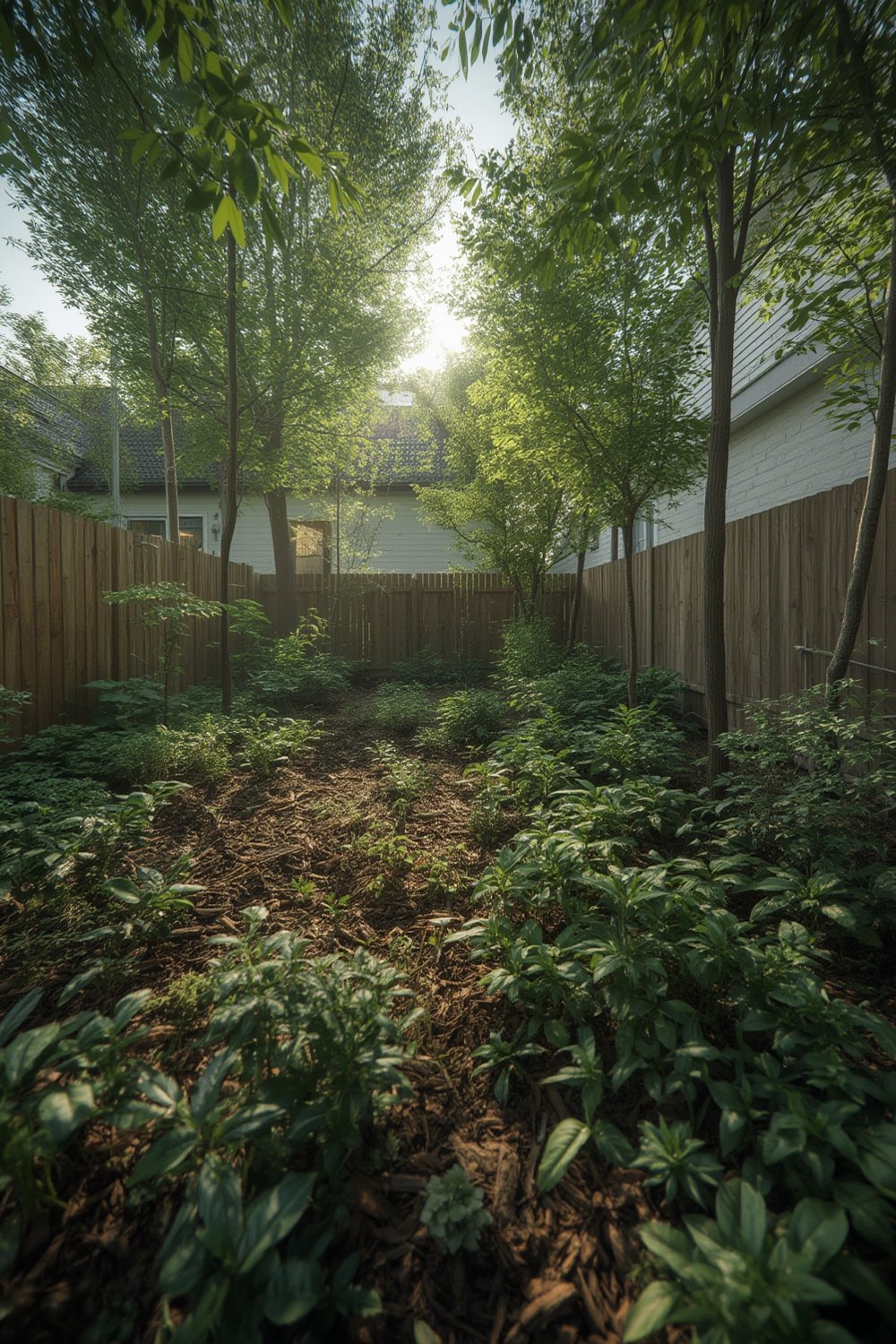
Multiple studies confirm the method’s high performance: a recent UK trial observed a 79% survival rate after 3.5 years, dramatically surpassing conventional approaches (SUGi UK study). Biodiversity in these forests is also significantly elevated, supporting up to 18 times more native species than typical city tree plantings (Carbon Positive Australia).
The dense, rapid-growth approach also means Miyawaki Pocket Forests absorb more carbon per square meter than the same area planted with traditional methods, making them a potent urban carbon sink—even in backyards as small as 3 m².
Step-by-Step Guide
Ready to create a Miyawaki Pocket Forest at home? Follow these steps to ensure real ecological impact and long-term success.
-
Select and Assess Site:
- Choose a spot with at least 3 square meters of available soil (avoid over utility lines or too close to structures; consult municipal codes).
- Test for contamination and compaction—if the soil is heavily polluted or pure clay, remediation may be needed.
-
Prepare the Soil Thoroughly:
- Loosen soil to 30-40 cm depth.
- Incorporate organic matter (e.g., well-rotted compost, leaf mulch). If you lack organic matter, consider biochar or mycorrhizal inoculants for extra ecosystem kick-start (Natural England).
- Amend pH and drainage if needed—native species are particular about site conditions!
-
Design Species Mix:
- Plan for 3–5 different layers: canopy, sub-canopy, shrubs, and ground cover.
- Choose only species native to your exact region (consult your local extension service or use guides like this Keystone Plantings article).
- Aim for 9–12 species in even the smallest pocket forests for resilience and wildlife benefit (G20 Land).
-
Dense Planting:
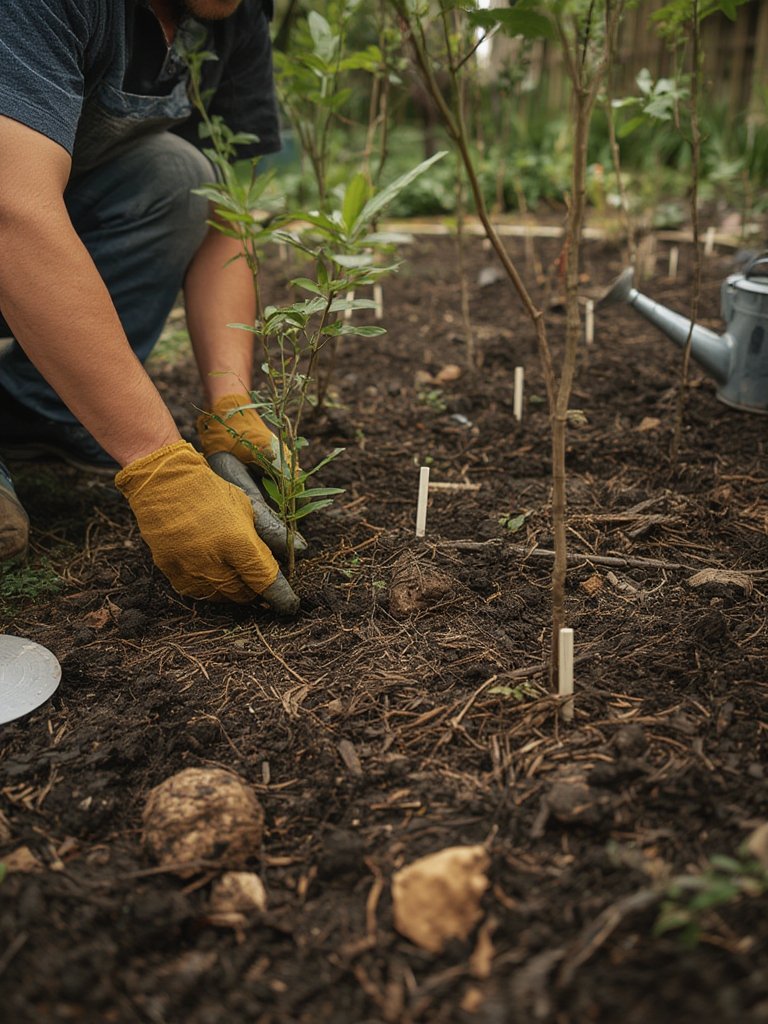
- Mark out planting squares (1×1 m), spacing 3–5 saplings in a naturalistic pattern per m².
- Vary species per cluster to ensure diversity throughout.
-
Mulch Generously:
- Apply 8–10 cm of shredded hardwood mulch or leaf litter to suppress weeds and retain moisture.
- Leave a clear collar at the base of saplings to prevent rot.
-
Water and Maintain Intensively (Years 1–2):
- Water 1–2 times per week in dry spells during establishment.
- Weed aggressively for the first 18–24 months—competition inhibition is key.
- After 2–3 years, intervention drops rapidly.
-
Monitor Success and Share Results:
- Take annual photos and check for wildlife activity (insects, birds, fungi).
- Join urban rewilding networks or social media groups to exchange tips and troubleshoot problems.
For landscape inspiration, see how compact forest ideas fit with outdoor living space upgrades or combine with your AI-driven landscaping plan for smart yard integration.
Advanced Analysis & Common Pitfalls
While Miyawaki Pocket Forests are transformative, rapid results hinge on avoiding several easily-overlooked risks:
- Wrong Species Selection: Ornamental trees or the wrong natives can cause stunted or patchy growth. Research your historic local woodland types, not just any native-sounding tree.
- Ignoring Soil Constraints: Urban soils are often compacted or contaminated. Skipping aeration, drainage checks, or remediation seriously undermines success.
- Underestimating Water and Weeding Needs: Early neglect can lead to 40–50% tree mortality; Miyawaki forests are tough—but only after initial support.
- Planting Too Close to Utilities or Over Concrete: Root damage, poor drainage, or city citation risks increase when location research is skipped.
- Thinking It’s “Low Effort”: After establishment, yes. Early on, you’ll need to be present and attentive.
| Factor | Miyawaki Pocket Forest | Standard Planting |
|---|---|---|
| Survival Rate (3.5 years) | 79% (UK study) | 47% |
| Biodiversity Gain | Up to 18x traditional | Baseline |
| Planting Density | 3–5 saplings/m² | 1 tree/1.5–2m² |
| Initial Cost / Survived Tree (UK) | £10 | £50 |
| Years to Minimal Maintenance | 2–3 | 5–10 |
| Flood Risk/Stormwater Absorption | Up to 30% risk reduction | Marginal |
Integrations with AI-powered irrigation or by combining with small-space urban kits can address some maintenance challenges. For biodiversity support, layer in ideas from this keystone planting guide or make your yard more pet-ready with pet-friendly outdoor upgrades.
Researchers point out areas for improvement and further experimentation: there’s limited data on long-term nutrient cycling, soil restoration in contaminated settings, or best practices for integrating these tiny forests with permeable hardscaping and modern infrastructure (Natural England).
Conclusion
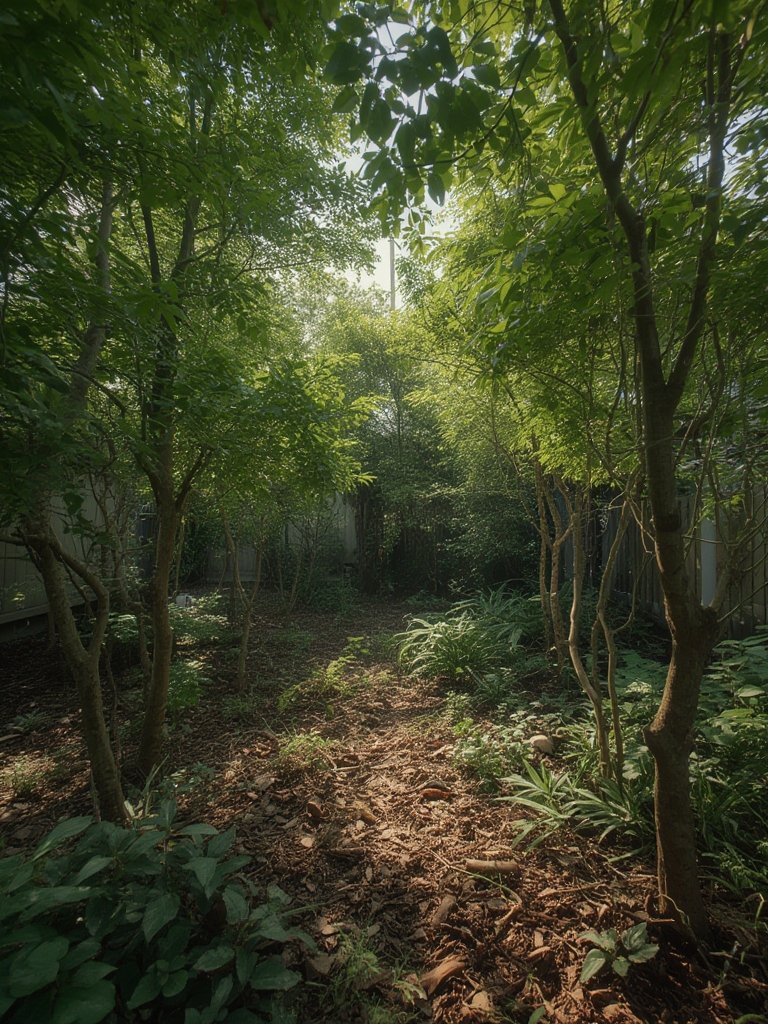
Miyawaki Pocket Forests are a proven approach to increasing biodiversity, carbon storage, and visual beauty—even on city lots. With careful planning and solid up-front work, your forest can thrive in under three years and contribute real ecological value. Remember to match native species to your local site and commit to extra care in years one and two. Miyawaki Pocket Forests are small but powerful; your backyard can be a conservation site—and you’ll see results faster than you think. Start today and help shape a greener future.
Ready to get started? Share your Miyawaki progress, get local expert advice, and explore more guides on native planting and habitat design.
FAQs About Miyawaki Pocket Forests
How small can a Miyawaki Pocket Forest be?
Pocket forests can start in plots as small as 3 square meters. However, the larger the area, the more resilient and biodiverse your ecosystem will become.
Which tree species should I plant?
Only use species native to your local ecosystem—ideally, the historic forest type for your zip code or county. Consult local native plant societies or extension services for region-specific lists.
How often do I need to water and weed a Miyawaki Pocket Forest?
Water at least once a week in the first two years unless you have consistent rainfall. Weed regularly to suppress competing plants until the canopy begins to close—usually within three years.
Are Miyawaki Pocket Forests cost-effective?
While upfront costs are higher, research shows Miyawaki methods cost about £10 per surviving tree after 3.5 years compared to £50 for standard planting. Maintenance needs drop sharply after year two.
Can I use a Miyawaki kit in contaminated or clay-heavy soil?
You must first remediate contaminated soils. For clay or compacted soils, deep aeration and lots of organic matter are required before planting for best results.