

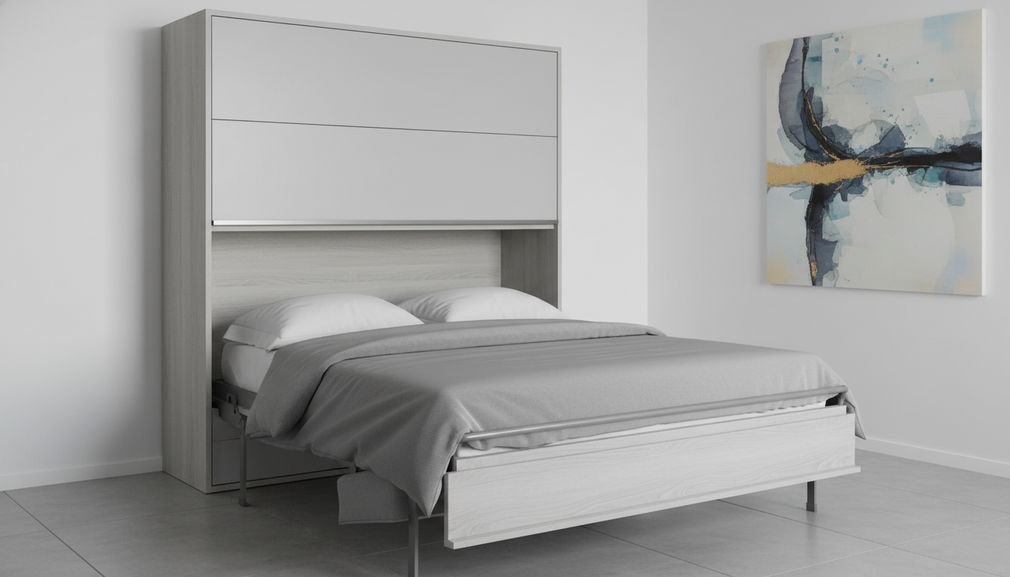
Choosing the right space saving furniture for small apartments is more than a design choice; it’s a critical investment in your daily comfort and functionality. With urban living spaces shrinking, the market is flooded with options, but not all are created equal. Many products fail to address the real challenges of compact living, from renter-specific limitations to hidden long-term durability issues. This guide cuts through the marketing hype to expose what you truly need to know before you buy.
Key Takeaways
- The demand for space saving furniture is rapidly growing, with the market projected to reach USD 4,844.34 million by 2031, driven by urban residential footprints shrinking by approximately 15% over the last decade.
- Focus on crucial technical specifications beyond aesthetics, such as weight capacity, locking mechanism quality, and material composition, to ensure longevity and safety.
- The market has significant gaps, often overlooking the specific needs of renters, the demand for sustainable options, and the unique challenges of micro studios, requiring buyers to be more diligent.
- The Urban Shift: Why Space-Saving Furniture is Now Essential for Modern Living
- Maximize Every Inch: Exploring Multifunctional Furniture Solutions
- Beyond the Hype: Addressing the Unmet Needs and Overlooked Challenges of Compact Living
- Your Buyer’s Guide: Prioritizing Key Technical Specifications for Longevity and Safety
- Building for Tomorrow: The Importance of Quality Materials and Sustainable Choices
- Seamless Integration: Styling Your Small Apartment with Smart Furniture Choices
- Final Thoughts on Your Smart Furniture Investment
- Frequently Asked Questions
The Urban Shift: Why Space-Saving Furniture is Now Essential for Modern Living
The trend towards smaller living spaces is not just a perception; it’s a data-backed reality. As urbanization accelerates, residential footprints in cities have decreased by about 15% in the last decade alone. This compression of living quarters has ignited a boom in the market for space saving furniture for small apartments. This sector, valued at over USD 3.4 billion in 2024, is projected to grow at a steady 5.0% CAGR, reaching nearly USD 4.85 billion by 2031 according to a Reanin analysis. For today’s urban dwellers, from young professionals to small families, investing in smart, compact living furniture is no longer a luxury—it’s an essential strategy for creating a functional and comfortable home.
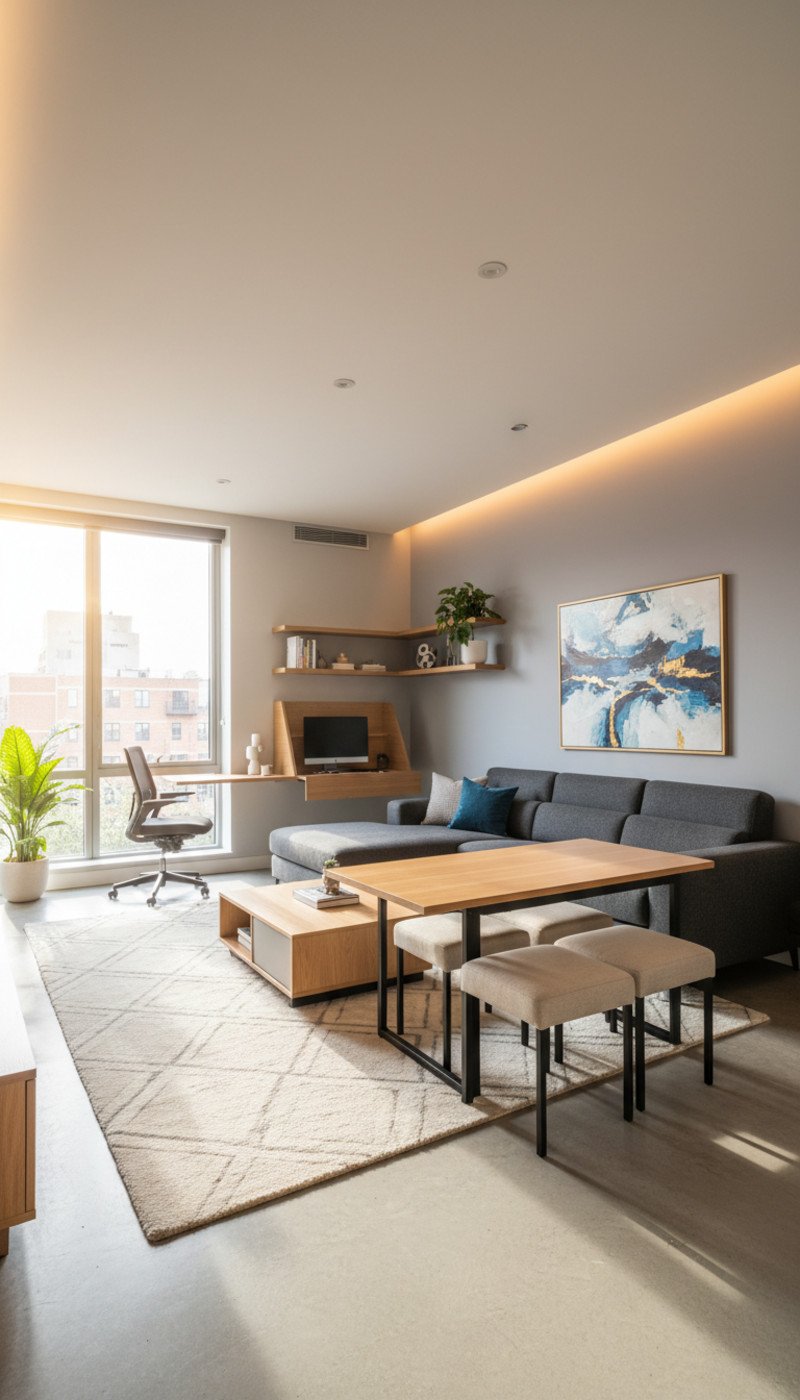
Maximize Every Inch: Exploring Multifunctional Furniture Solutions
The genius of modern compact living furniture lies in its ability to serve multiple purposes without occupying extra floor space. Understanding the primary categories helps you identify solutions for your specific pain points. The goal is to find pieces that can adapt to your needs throughout the day, transforming a single room into a multi-use environment.
Foldable and Extendable Tables
A dining table that seats six but folds into a slim console table is a game-changer. Look for wall-mounted drop-leaf tables for kitchens or compact dining areas. These pieces are part of a rapidly growing market segment, with folding furniture projected to reach USD 20.7 billion by 2033. When choosing a foldable table furniture piece, test the sturdiness of the legs and the smoothness of the extension mechanism. A wobbly table is both annoying and unsafe.
Hidden Storage Beds
The space under your bed is prime real estate for storage. A hidden storage bed, whether it’s an ottoman-style lift-up frame or one with built-in drawers, can eliminate the need for a bulky dresser. For the ultimate space-saver, a wall bed (or Murphy bed) can free up an entire room’s worth of floor space during the day. This is a powerful option for studio apartments, with the wall beds market expected to grow by USD 1.30 billion by 2029, according to a report from Technavio. For renters, freestanding versions that don’t require extensive wall mounting are available. Exploring modular bedroom furniture can also provide flexible storage solutions that adapt to your space.
Convertible Sofas and Modular Seating
Today’s sofa beds are a far cry from the uncomfortable pull-outs of the past. Look for models with high-density foam or memory foam mattresses for genuine comfort. Even better are modular sofa systems, which allow you to reconfigure your seating arrangement as needed. You can separate a sectional into two smaller couches or create a daybed. This adaptability is key for a living room that also functions as a guest room or home office.
Beyond the Hype: Addressing the Unmet Needs and Overlooked Challenges of Compact Living
The glossy catalogs and online showrooms for space saving furniture for small apartments often paint a perfect picture. However, they frequently fail to address the nuanced challenges and unmet needs of real-world urban dwellers. The industry has several blind spots that you, as a savvy consumer, need to be aware of.
The Renter vs. Owner Divide
A significant market gap exists between solutions for homeowners and those for renters. Many of the most effective space-saving solutions, like built-in wall beds or custom closet systems, require permanent installation, drilling, and modification—all of which are often prohibited by lease agreements. Renters need freestanding, non-damaging solutions. Before buying, ask yourself:
- Does this require wall mounting? If so, is there a freestanding alternative?
- Is it lightweight enough to move when my lease is up?
- Could its installation or use (e.g., a tension-mounted shelf) damage walls or floors, risking my security deposit?
The Lack of Information on Post-Purchase Problems
One of the most significant issues is the absence of transparent data on long-term performance and common complaints. Manufacturers and retailers rarely advertise the potential downsides. Unforeseen challenges can include:
- Complex Assembly: What looks simple online can be a nightmare of poorly labeled parts and confusing instructions. Look for brands that offer video tutorials or clear, step-by-step guides.
- Mechanism Failure: The moving parts are the most likely points of failure. The smooth-gliding mechanism of a convertible table or the hydraulic lift of a storage bed can wear out over time. Scrutinize the warranty, specifically what it covers regarding mechanical parts.
- Noise: A squeaky, groaning Murphy bed or a clunky folding table can become a major source of irritation. User reviews are often the only source for this kind of real-world feedback.
The Micro-Studio and Eco-Friendly Gaps
Most “small space” furniture is designed for one-bedroom apartments, not true micro-studios (under 300 sq. ft.). These ultra-compact spaces require hyper-functional, scaled-down pieces that are still hard to find. Furthermore, while the demand for eco furniture sustainable options is growing, it remains a niche segment in the space-saving market. Finding multifunctional furniture made from certified, non-toxic, and recycled materials requires extra research. This is an area where market demand is currently outpacing supply, as noted in a Future Market Insights report.
Your Buyer’s Guide: Prioritizing Key Technical Specifications for Longevity and Safety
To make a smart, long-lasting investment, you must learn to think like an engineer and look past the surface-level design. The true value of multifunctional furniture is in its construction and mechanical integrity. Here are the key technical specifications to prioritize.
| Specification | What to Look For | Why It Matters |
|---|---|---|
| Weight Capacity | Always check the manufacturer’s stated limit for shelves, beds, and seating. For a wall bed, this includes the mattress weight plus occupants. | Exceeding the weight capacity is the primary cause of structural failure and is a major safety hazard. A low capacity indicates weak materials or poor design. |
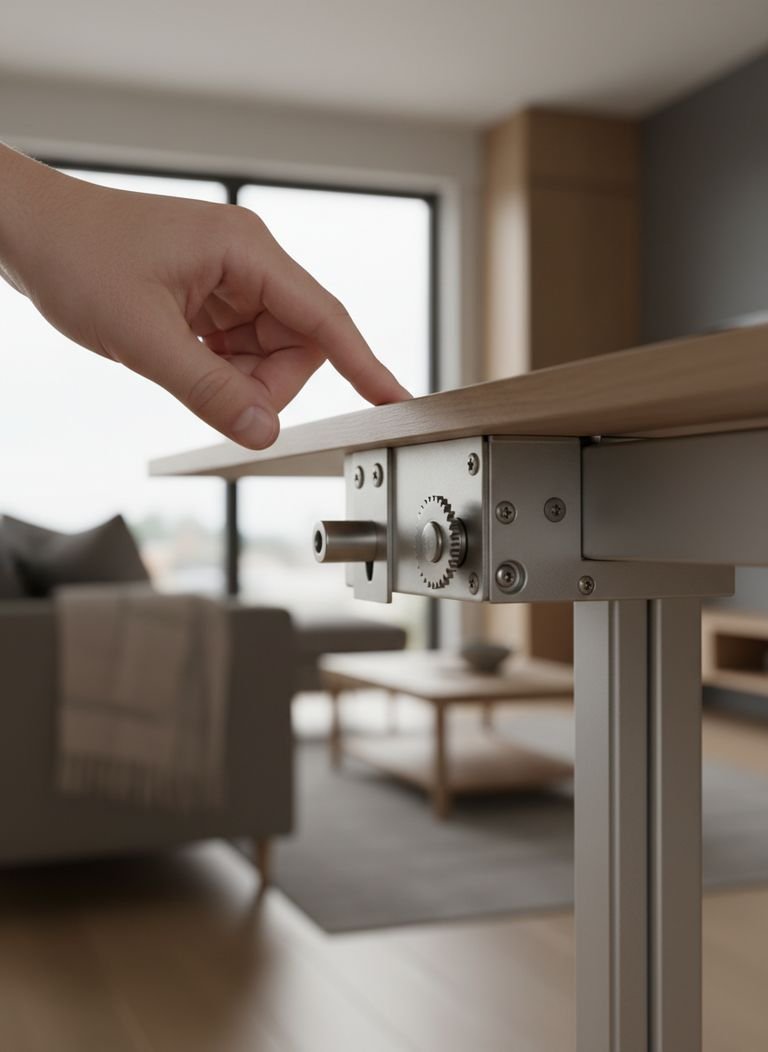
| Locking Mechanisms | Look for dual-piston systems in wall beds, sturdy metal latches on drop-leaf tables, and child-safe locks if you have kids. | A reliable locking mechanism prevents accidental folding or collapsing. This is non-negotiable for safety, especially with heavy items like a hidden storage bed. |
| Mechanism Type | For wall beds, hydraulic piston systems are often smoother and more durable than spring systems. For drawers, ball-bearing glides are superior to plastic runners. | The quality of the mechanism dictates the ease of use and lifespan of the furniture. A cheap mechanism will stick, squeak, and eventually fail. |
| Ease of Reconfiguration | Can one person easily and safely convert the furniture? Test it in the showroom if possible. Watch videos of it in action. | If it’s too difficult to transform, you simply won’t use its multifunctional features, defeating the purpose of your purchase. |
The Importance of Quality Materials and Sustainable Choices
The materials used in your furniture directly impact its durability, safety, and environmental footprint. While many manufacturers focus on lightweight materials for easier shipping and assembly, it’s crucial to understand the trade-offs.
Decoding the Materials
- Solid Wood: Offers the best durability and longevity but is heavier and more expensive. Ideal for high-use items like dining tables or bed frames. Pieces like a sturdy walnut living room furniture set can last for generations.
- Plywood and MDF (Medium-Density Fiberboard): Common in affordable furniture. Look for high-density, low-VOC (Volatile Organic Compound) options. Plywood is generally stronger and holds screws better than MDF. Check the finish; a durable laminate or veneer is essential to protect the core from moisture and wear.
- Metal: Steel and aluminum offer excellent strength-to-weight ratios, ideal for frames and mechanisms. Check for quality welds and a rust-resistant powder-coated finish.
The Rise of Eco-Friendly Furniture
Sustainability is becoming a more significant factor for consumers. Regulations are increasingly promoting the use of recyclable and non-hazardous materials. When shopping, look for certifications like FSC (Forest Stewardship Council) for wood products, which ensures responsible forest management. Consider furniture made from renewable resources like bamboo or from recycled metals and plastics. Choosing well-made, durable pieces is also an act of sustainability, as it avoids the cycle of disposable, “fast furniture” that ends up in landfills.
Styling Your Small Apartment with Smart Furniture Choices
The final step is making your multifunctional furniture look intentional and beautiful within your space. The goal is to create a cohesive, airy environment, not a cluttered room filled with contraptions.
First, maintain visual consistency. Choose furniture with a similar color palette or material finish to your existing decor. A unified look prevents the space from feeling chaotic. For example, if you have dark wood floors, a walnut convertible coffee table will feel more integrated than a stark white one.
Second, prioritize vertical space. Wall-mounted shelves, tall and narrow bookcases, and wall-hung desks draw the eye upward, creating a sense of height and spaciousness. This technique frees up valuable floor space, making the room feel larger. Combining this with a stylish living room wallpaper on one accent wall can further enhance the perception of depth.
Finally, use light and reflection to your advantage. A well-placed mirror can make a small room feel twice as big. Consider mirrored furniture pieces, like a reflective side table or cabinet, to bounce light around the room. Ensure your lighting is layered, with overhead, task, and accent lighting to create a warm and inviting atmosphere that feels open and uncluttered.
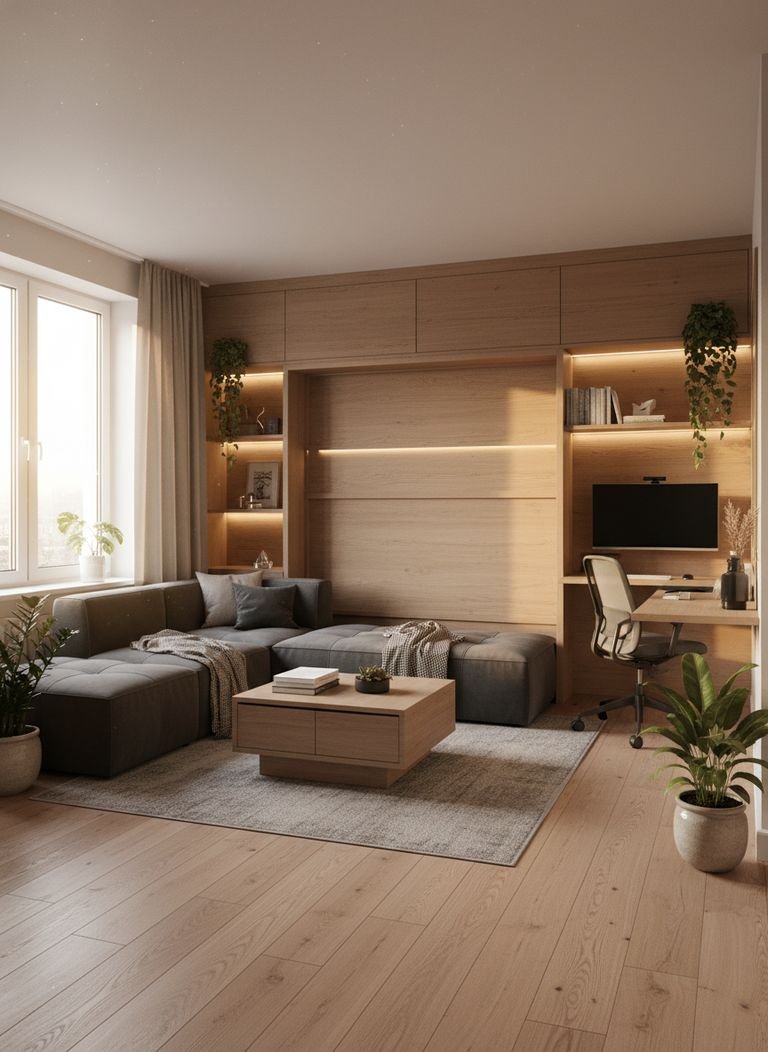
Final Thoughts on Your Smart Furniture Investment
Navigating the market for compact living furniture requires a discerning eye and a focus on long-term value over short-term trends. By looking beyond marketing claims and prioritizing technical specifications, material quality, and genuine functionality, you can make a purchase that truly enhances your home. Remember to consider the unique challenges of your space, whether you’re a renter or living in a micro-studio. A thoughtful investment in the right space saving furniture for small apartments will pay dividends in daily comfort, organization, and peace of mind for years to come.
Ready to reclaim your space? Start by measuring your most challenging room and identifying one piece of multifunctional furniture that could solve your biggest problem.
Frequently Asked Questions
Is space saving furniture more expensive than regular furniture?
Initially, a high-quality multifunctional piece like a wall bed or a convertible dining table can be more expensive than its traditional counterpart due to the engineering and mechanisms involved. However, because it serves two or more functions, it can be more cost-effective in the long run by eliminating the need to buy multiple separate pieces of furniture.
What is the biggest mistake people make when buying furniture for small spaces?
The most common mistake is focusing solely on the compact dimensions and aesthetics while ignoring the “expanded” footprint and the quality of the transformation mechanism. A beautiful sofa bed that is difficult to open or a wobbly, unstable extendable table will cause daily frustration and fails to deliver on its primary promise.
Can I use space saving furniture if I am renting?
Absolutely. The key is to choose freestanding options that do not require permanent installation or wall mounting. Look for lift-up storage beds instead of built-ins, console tables that extend without needing to be anchored, and modular shelving units that are stable on their own.
How do I check the durability of a mechanism in a store or online?
In a store, operate the mechanism multiple times. It should feel smooth, secure, and quiet. Online, this is tougher. Look for video demonstrations, read user reviews specifically mentioning the mechanism’s performance over time, and check the warranty details. A long warranty on mechanical parts is a good sign of the manufacturer’s confidence in their product.
Are there stylish options for multifunctional furniture?
Yes, the design of space saving furniture has evolved significantly. Many modern brands now offer pieces that are aesthetically pleasing and align with popular design trends like mid-century modern, minimalist, and industrial. You no longer have to sacrifice style for functionality.