

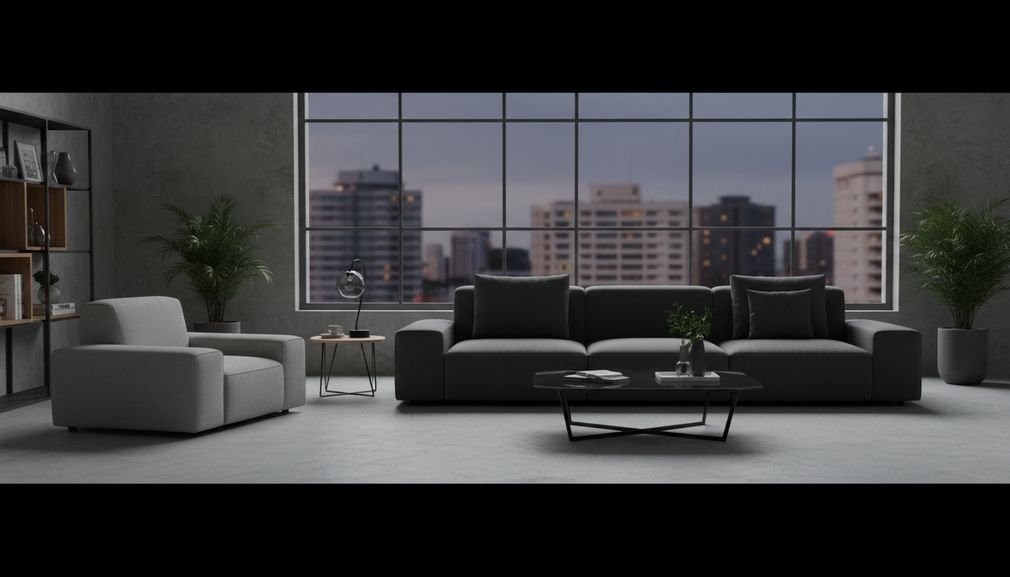
A modular sofa system is more than just a piece of furniture; it’s an intelligent investment in adaptability, perfectly suited for the dynamic nature of modern urban life. For anyone navigating the challenges of a compact city apartment, like our friend Alex, the limitations of a traditional, monolithic sofa are all too clear. It dictates your room’s layout, becomes a logistical nightmare during a move, and rarely adapts to your evolving needs. This guide breaks down why these reconfigurable couches are not just a trend, but a sophisticated solution for future-proofing your living space.
Key Takeaways
- The modular sofa market is rapidly expanding, projected to reach $7.8 billion by 2031, driven primarily by millennials and city renters who prioritize space efficiency and adaptability.
- A customizable sofa layout empowers you to redesign your living space on demand, accommodating everything from a quiet night in to hosting a large group of friends without needing new furniture.
- Modern modular systems offer advanced features beyond basic flexibility, including integrated storage, sleeper modules, smart connectivity like USB ports, and sustainable, high-performance materials.
- The Modular Movement: Why Adaptable Seating is Dominating Modern Homes
- Designing for Life: Unlocking Your Space with a Customizable Sofa Layout
- Beyond Basic Flexibility: Advanced Features in Modular Sectional Sofas
- Conclusion: Is a Modular Sofa System Right for You?
- Frequently Asked Questions
The Modular Movement: Why Adaptable Seating is Dominating Modern Homes
The shift towards adaptable furniture isn’t happening in a vacuum. It’s a direct response to significant lifestyle changes, particularly urbanization and the rise of smaller living spaces. The market data tells a clear story: the global modular sofa market was valued at an impressive USD 4.5 billion in 2023 and is projected to surge to USD 7.8 billion by 2031, growing at a steady CAGR of 6%. This growth highlights a fundamental change in consumer priorities. Traditional, oversized sofas are increasingly impractical for the modern home.
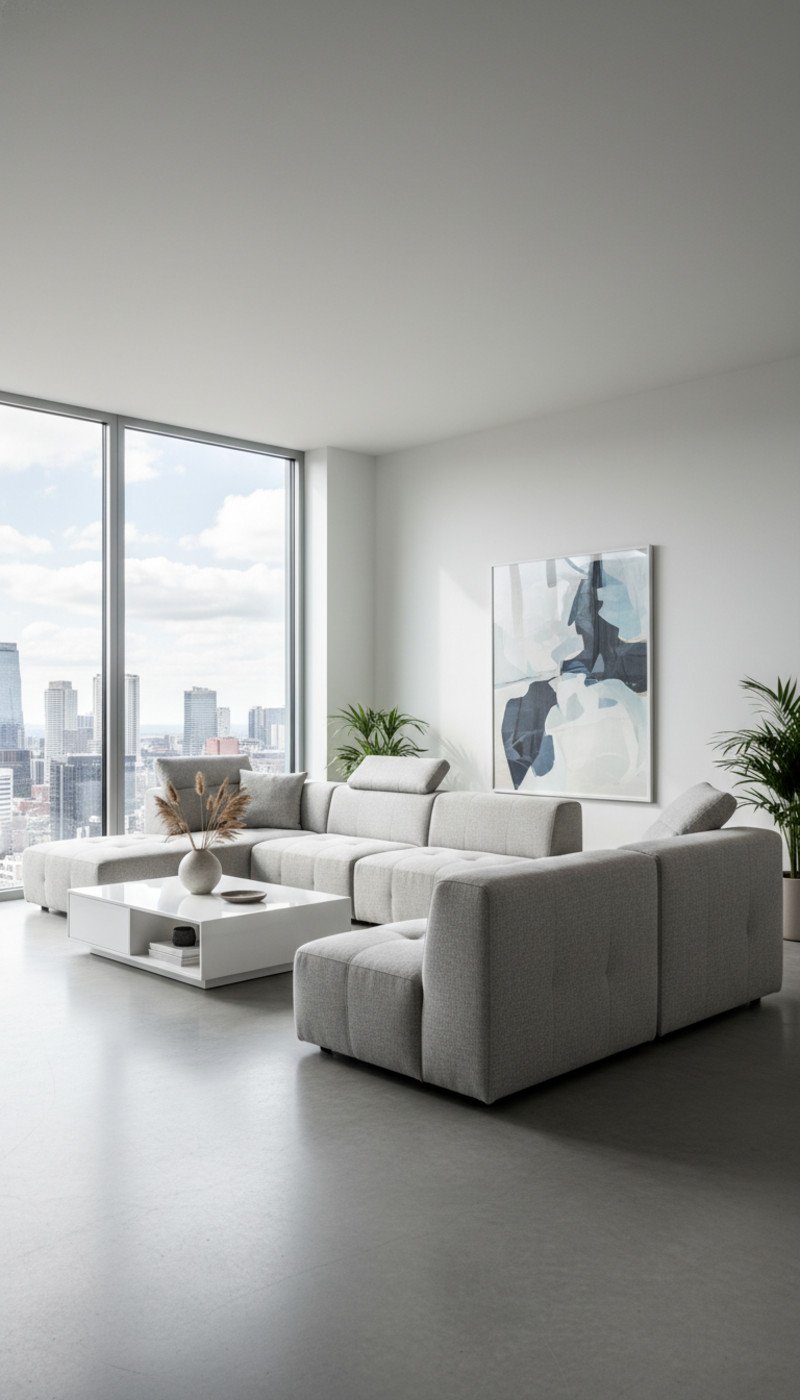
For individuals like Alex—millennials, renters, and city dwellers—a reconfigurable couch offers a pragmatic solution to common spatial challenges. The ability to break down, reassemble, and rescale a sofa makes moving between apartments less of a burden. It eliminates the dreaded “pivot” moment in a tight stairwell and ensures your primary seating investment remains viable, even if your next living room has a completely different footprint. This demographic values minimalism and efficiency, making the multi-functional nature of a modular sofa system an obvious choice over its static counterparts. It’s a strategic purchase that adapts to life’s transitions, rather than an anchor that holds you back. The principles of flexibility seen here can also be applied to other areas of the home, as seen in the rise of modular bedroom furniture for maximizing compact sleeping quarters.
Unlocking Your Space with a Customizable Sofa Layout
The true power of a modular sofa system lies in its ability to hand control of the living space back to you. You are no longer designing your room around a single, immovable object. Instead, your sofa becomes a dynamic tool that serves your life’s changing needs. These systems are built from individual modular seating units—corners, armless chairs, chaises, and ottomans—that can be connected in a nearly endless variety of configurations.
Consider these real world scenarios for a typical urban renter:
- The Solo Weeknight: You can create a cozy L-shaped chaise lounge, perfect for stretching out with a book or streaming your favorite show.
- Hosting Game Night: You can break the system apart into two smaller, distinct sofas facing each other to encourage conversation and create a more open, social environment.
- An Unexpected Guest: With the right modules, you can quickly reconfigure the pieces into a comfortable makeshift bed, far superior to an air mattress.
- The New Apartment: That L-shape that fit perfectly in your old place can become a long, straight sofa in your new, narrower living room. You might even add a new module to expand your seating.
This level of control is precisely why key demographics like renters and city residents are driving demand. A customizable sofa layout provides a sense of permanence and personalization in often-temporary living situations. When thinking about your next furniture purchase, a helpful exercise is to compare different brands and styles, much like this guide comparing Ashley Furniture and Bob’s, to understand the full spectrum of options available.
Advanced Features in Modular Sectional Sofas
While the core appeal of a modular sectional sofa is its reconfigurability, manufacturers are now integrating advanced features that elevate these systems from merely flexible to truly multifunctional. Today’s consumers are looking for furniture that does more, and the market is responding with innovative designs that cater directly to a modern, tech-savvy, and space-conscious lifestyle. Research shows that consumers are actively seeking enhancements that solve everyday problems.
According to market analysis, some of the most sought after features include integrated storage, multifunctional designs like sleeper options, and smart features with connectivity. These additions transform the sofa from a simple seating area into a hardworking hub of the living room.
| Feature | Benefit for Urban Living |
|---|---|
| Integrated Storage | Ottomans and chaises with lift-top storage provide a discreet place to hide blankets, remotes, and clutter, which is critical for maintaining a minimalist aesthetic in a small apartment. |
| Sleeper Modules | A pull-out or convertible module eliminates the need for a separate guest bed, a luxury that many city dwellers cannot afford in terms of space. |
| Smart Connectivity | Built-in USB ports, power outlets, and even wireless charging pads mean you never have to search for a charger, keeping your devices powered up and accessible. |
| Performance & Sustainable Fabrics | Stain-resistant and durable fabrics are essential for longevity, while options made from recycled materials appeal to environmentally conscious buyers. This is a key part of choosing eco furniture sustainable options. For those with pets, a performance fabric is a must-have for a pet-ready home. |
When evaluating a modular sectional sofa, it’s important to look past the basic shape and consider these value-added features. They represent the difference between a simple, flexible couch and a fully integrated piece of smart furniture designed for the realities of today’s home. These innovations are what truly future-proof your investment, ensuring your sofa not only fits your next space but also supports your future lifestyle.
Conclusion: Is a Modular Sofa System Right for You?
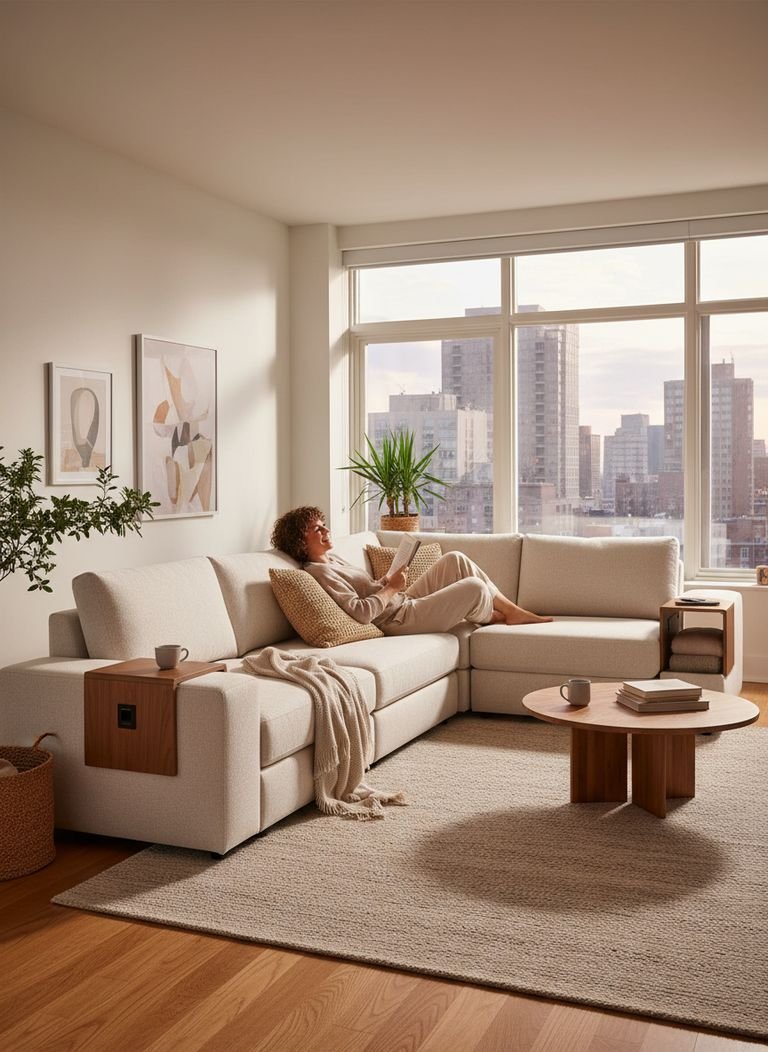
For the modern city dweller, renter, or anyone who values flexibility and smart design, the answer is a resounding yes. The modular movement is a clear reflection of our changing lifestyles, where adaptability is no longer a luxury but a necessity. By offering unparalleled control over your living space, accommodating life’s transitions, and integrating smart, convenient features, these systems provide a level of practicality that traditional sofas simply cannot match.
Ultimately, choosing a modular sofa system is an investment in furniture that grows and changes with you. It’s a sophisticated, forward-thinking solution that solves the real-world problems of limited space and dynamic living. As you plan your ideal space, consider how other elements, like living room wallpaper, can complement the versatility of your new sofa to create a truly personalized home.
Frequently Asked Questions
Are modular sofas less stable than traditional sofas?
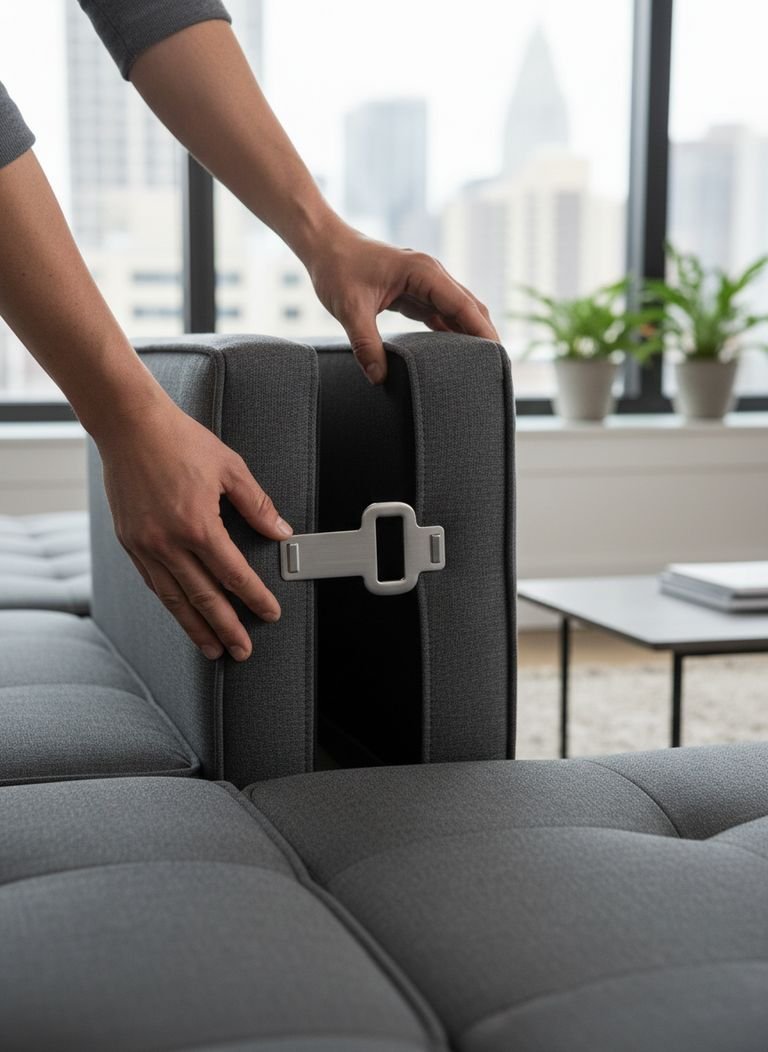
Not necessarily. High-quality modular sofas use heavy-duty, interlocking hardware (like alligator clips or metal brackets) to securely connect the units. When properly assembled, a well-made modular system feels just as sturdy and stable as a one-piece sofa. The key is to invest in a reputable brand with a proven connection mechanism.
How difficult is it to reconfigure a modular sofa system?
Most modern systems are designed for ease of use. The best ones feature tool-free connectors that allow you to unlock, move, and relock pieces in minutes. While heavier modules may require two people to move, the process is generally straightforward and far simpler than moving an entire traditional sofa.
Can I add more pieces to my modular sofa later?
Yes, this is one of the biggest advantages. Most manufacturers sell individual modules, allowing you to expand your sofa over time. If you move to a larger home, you can simply purchase an additional armless chair or corner unit to grow your seating arrangement. Just be sure to buy from a brand that keeps its collections in production for a while to ensure availability.
Are modular sofas a good investment for renters?
They are an excellent investment for renters. Their ability to scale up or down and fit various room layouts means you won’t have to sell your sofa just because it doesn’t fit in your next apartment. This long-term viability saves money and reduces the hassle associated with frequent moves.
What’s the main difference between a modular sofa and a sectional sofa?
While all modular sofas are sectionals, not all sectionals are truly modular. A traditional sectional is typically sold in a fixed configuration (e.g., a right-facing chaise) with only a few large pieces. A true modular sofa system consists of multiple individual units (modules) that can be rearranged into many different shapes and layouts beyond the original configuration.