

### Blog Post:
Furniture-Grade Cat Enclosures have emerged as a top-tier choice for pet owners who value both feline safety and home aesthetics. As cat-keeping trends evolve in 2024, modular and luxury cat enclosures promise beauty without compromise—but there’s more to know before investing.
Key Takeaways
- Premium modular cat enclosures blend home décor integration with increased pet safety, but costs and standards vary widely.
- Real-world user complaints, market pricing data, and formal safety standards for luxury enclosures are still lacking as of 2024.
- Choosing eco-friendly, durable, and customizable designs ensures value—be wary of hidden pitfalls and aesthetic mismatches.
- What Are Furniture-Grade Cat Enclosures—And Why Choose Them?
- How to Add a Modular, Furniture-Grade Cat Enclosure: Step-by-Step
- Advanced Analysis: Pitfalls, Problems, and Real-World Issues
- Conclusion: Is a Furniture-Grade Cat Enclosure Worth It?
- FAQs
What Are Furniture-Grade Cat Enclosures—And Why Choose Them?
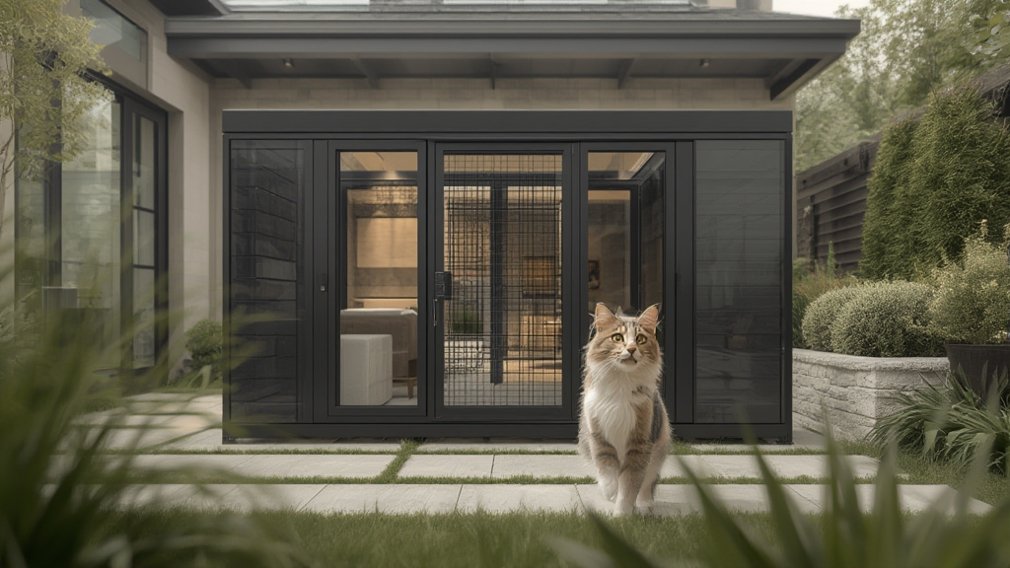
Furniture-grade cat enclosures are purpose-built habitats for cats that emphasize premium materials, design, and seamless integration with your home’s interior or garden style. Unlike mass-market or DIY wire runs, these enclosures offer modularity, aesthetic coherence, and features that cater to design-conscious pet owners.
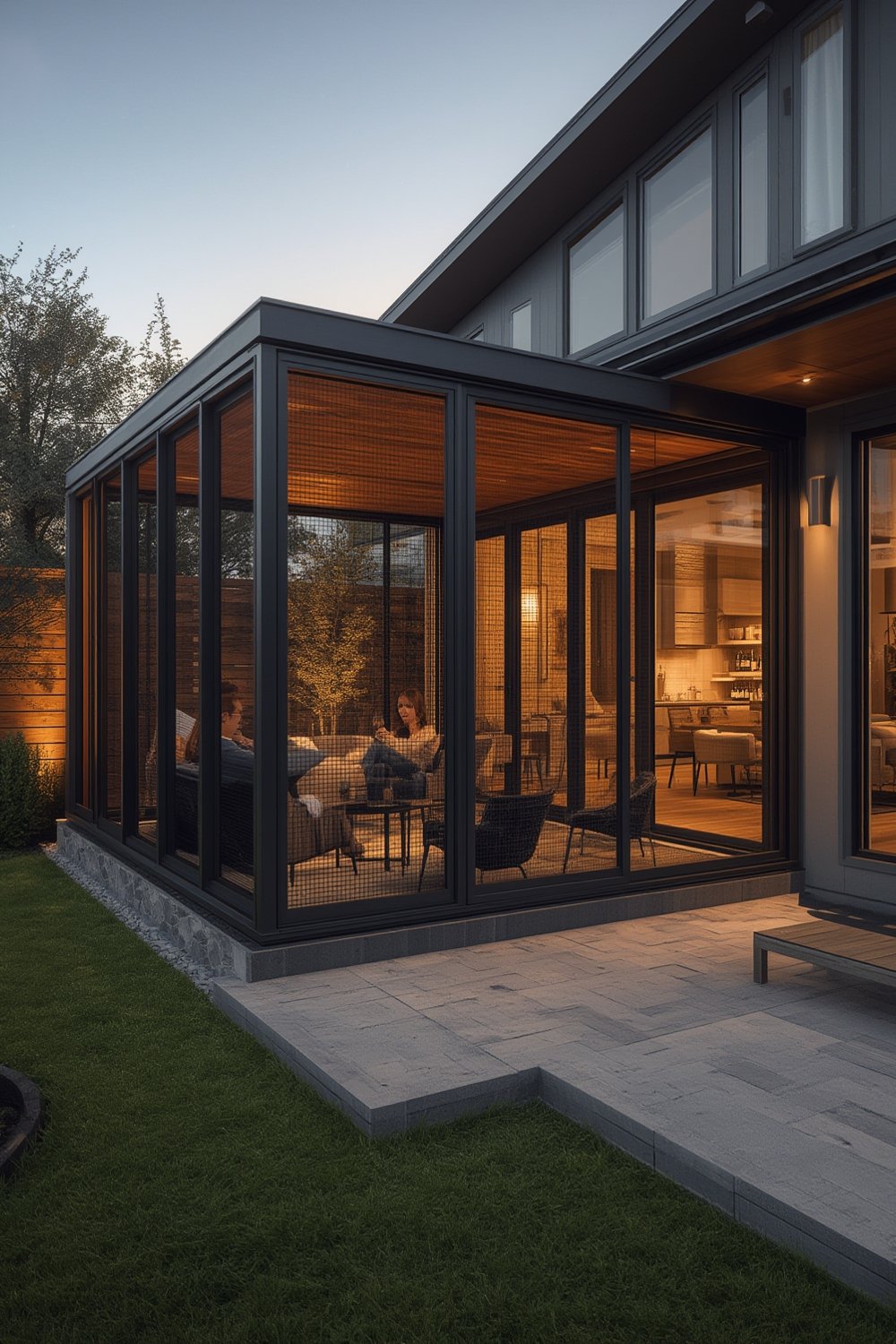
What sets furniture-grade cat enclosures apart is their attention to build quality, eco-conscious materials, and customization. In 2024, pet owners are driving the global cat enclosure market toward $1.18 billion, with a steady 7.4% CAGR thanks to the rising demand for premium and modular living solutions for cats. Trends highlight the blending of comfort, modularity, and stylish aesthetics—an extension of broader home improvement and barkitecture movements.
While average consumer spend, formal safety standards, and negative user reviews are elusive, broader pet furniture statistics indicate strong consumer preference for products that look good, last long, and keep cats secured from outdoor dangers. Integration with landscaping or architectural elements is a must, not an optional afterthought.
If you’re planning a larger project, leveraging a home improvement planning approach also helps balance costs and ensure a coordinated look between pet zones and your living spaces.
How to Add a Modular, Furniture-Grade Cat Enclosure: Step-by-Step
-
Assess your space, needs, and goals.
Measure the area for the enclosure. Consider sun/shade patterns, seasonal weather, and adjacent spaces for seamless indoor-outdoor flow. -
Prioritize durable, eco-friendly materials.
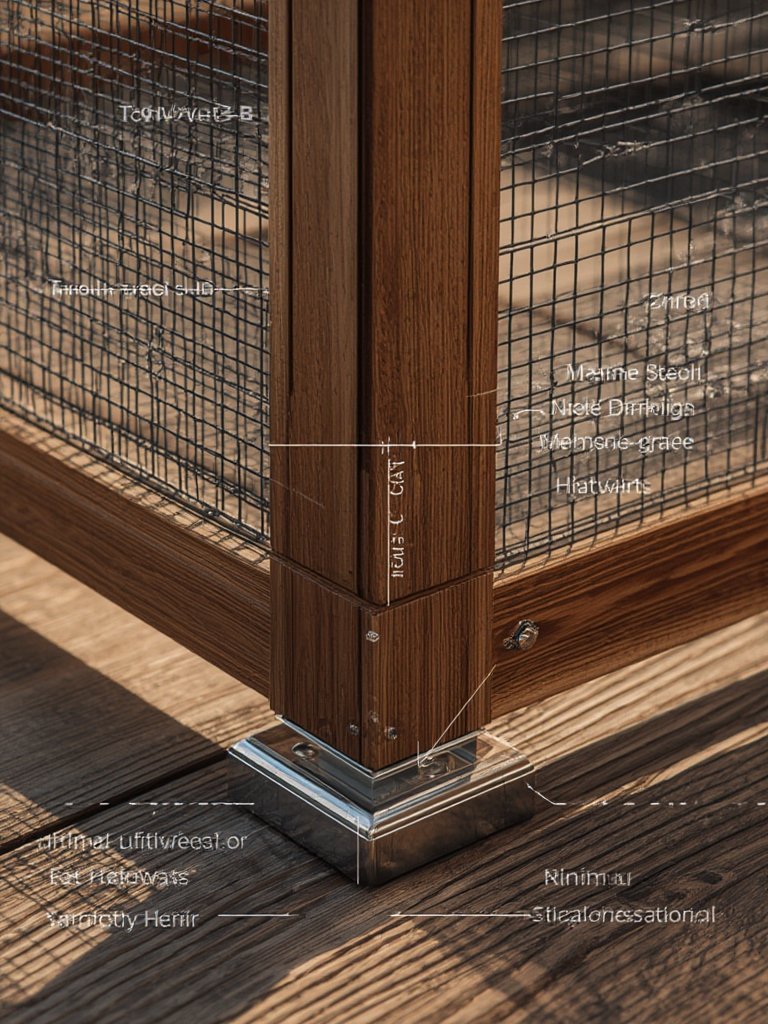
High-end enclosures may use powder-coated aluminum, cedar, hardwoods, or UV-resistant composites. These outperform basic plastics or wire mesh used in mass-market units. For odor-resistant pet zones, see this hygienic litter tray guide. -
Pick a modular or custom design that suits your home’s architecture.
Modular options let you expand or reconfigure as your needs (or number of pets) change. Prioritize models that echo your home’s existing materials and colors—think glass, wood accents, or metal finishes in harmony with your deck, landscaping, or patio furniture. -
Vet assembly, safety, and access features.
Check for escape-proof latches, tight mesh spacing, and no sharp edges. Even luxury brands often skimp on foolproof security. For overall pet safety, our pet-ready living guide covers broader pet-proofing advice. -
Plan assembly, placement, and installation logistics.
Some modular systems are easy to DIY, while custom “furniture-grade” builds may need professional installation for proper fit, finish, and security.
-
Consider climate, lighting, and ventilation upgrades.
Incorporate weatherproof shades, shade sails, or smart blinds for summer and insulation or heated perches for colder climates. Get inspiration from eco window treatment tips for adaptable comfort. -
Add enrichment: shelves, walking ramps, and see-through panels.
Cats will appreciate vertical levels and lookouts. Integrate built-in scratching surfaces or cognitive enrichment toys (see senior pet puzzles) for long-term engagement. -
Blend with outdoor style and curb appeal.
Use matching stains, planters, or even stone paths. For property value, ensure any structure complies with local codes and doesn’t overshadow key sightlines. Explore how outdoor living upgrades and cat enclosures work together.
Advanced Analysis: Pitfalls, Problems, and Real-World Issues
Despite the growing appeal of furniture-grade cat enclosures, several challenges persist:
- No regulated safety standards: As of 2024, there are no formal certifications, so product safety is not guaranteed. Animal welfare guidelines influence designs, but brands are not held to a specific outdoor predator-proofing standard. Source
- Opaque pricing and installation costs: No clear data exists on typical costs for luxury or modular cat enclosures. Always request itemized quotes and check for hidden delivery or assembly fees. See this market analysis for trends, but not specifics.
- Limited real-world feedback: Detailed, verified user reviews on designer cat enclosures are still scarce. It’s tough to predict long-term durability or client satisfaction.
- Integration challenges: Poor design choices can clash with your home’s look or reduce property value. Choose flexible, modular options that adapt as your tastes change.
| Feature | Furniture-Grade Cat Enclosures | Mass-Market/DIY Alternatives |
|---|---|---|
| Design Integration | Custom finishes, matches home style | Basic, utilitarian look |
| Material Durability | Powder-coated metal, hardwood, eco-composites | Thin wire, plastic, untreated wood |
| Expansion Options | Modular, reconfigurable | Rarely modular, fixed size |
| Pricing Transparency | Opaque; often high, custom-quoted | Clear; mass-market options online |
| Ease of Installation | May require professional help | DIY-friendly kits |
Other common pitfalls include:
- Aesthetic mismatch: Enclosure color or style clashing with patio or landscaping—avoid by seeing design samples in your natural light.
- Water intrusion and rust: Even powder-coated metal can corrode if not sealed; inspect welds and corners regularly.
- Poor ventilation: Inadequate airflow can cause condensation, mold, and unhappy cats.
- Access and cleaning: Hard-to-reach spaces or tricky entry points make deep cleaning a hassle—insist on wide doors and smooth surfaces.
For more on outdoor upgrades, see our outdoor living space guide. For property value and architectural harmony, see how curb appeal upgrades translate across home projects.
Conclusion: Is a Furniture-Grade Cat Enclosure Worth It?
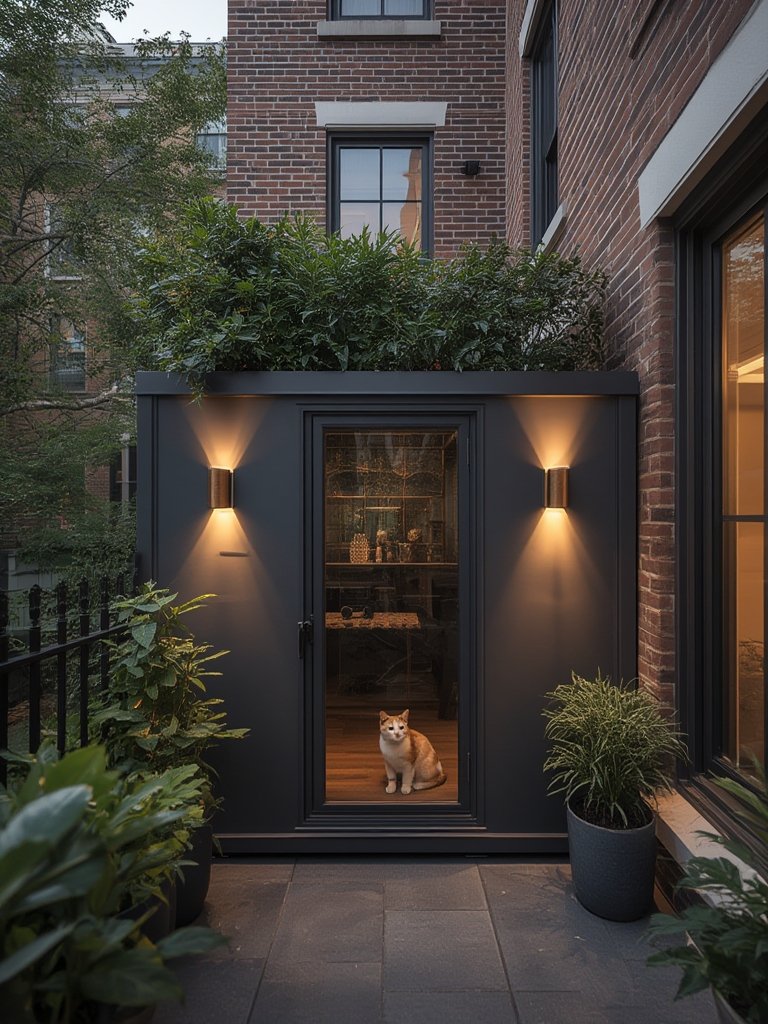
Upgrading to a modern, modular, Furniture-Grade Cat Enclosure can increase pet safety, elevate home appeal, and provide flexible spaces for your feline companions. However, the lack of clear cost data, user reviews, and safety standards means careful research is a must. Always match enclosure materials and finishes with your home, demand itemized estimates, and insist on features that support your cat’s well-being. Ready to create a functional cat paradise? Start planning today—and let your cat (and your home) enjoy the best of both worlds.
FAQs
Do furniture-grade cat enclosures increase home value?
When designed to match your architecture and landscaping, premium cat enclosures can boost curb appeal and even support property value. Choose styles that look intentional, not tacked on.
Are there any official safety standards for outdoor cat enclosures?
No. As of 2024, neither North America nor Europe has formal safety certifications for predator-proof cat runs. Check for animal welfare-inspired design elements, but vet claims carefully.
How can I make a cat enclosure blend in with my yard or patio?
Use matching colors, modular planter boxes, and vertical landscaping. Place the structure where it won’t block important views or pathways. Modular garden features help it merge with the surroundings.
What materials hold up best?
Powder-coated metals, hardwood, and UV-protected composites offer the best durability and weather resistance. Avoid thin plastics and untreated wood for outdoor use.
Why don’t more brands offer transparent prices?
Luxury and furniture-grade cat enclosure makers often price each build individually based on materials and customization, resulting in less upfront transparency compared to mass-market kits.
—