


Adaptive AI Climate Control is redefining how homeowners manage comfort and energy costs, blending advanced automation with real-time insights to optimize heating and cooling in every room. If you’re considering replacing old thermostats, want to slash your utility bills, or simply curious about this fast-evolving technology—here’s what homeowners must know before making the switch.
Key Takeaways
- Adaptive AI Climate Control systems use machine learning to fine-tune your home’s temperature, potentially cutting energy use—but current stats show only modest savings so far.
- Real-world setup requires deliberate planning and patience; technical hiccups and usability frustrations are common during the transition phase.
- There’s little direct household data, so benchmark results before committing fully. Combine with other proven upgrades—like energy efficient upgrades—to maximize results.
- The Core Concept: What Is Adaptive AI Climate Control?
- Step-by-Step Guide: How to Set Up Adaptive AI Climate Control at Home
- Advanced Analysis & Common Pitfalls: Is the Hype Real?
- Conclusion
- FAQ
The Core Concept: What Is Adaptive AI Climate Control?
Adaptive AI Climate Control applies self-learning algorithms to continuously optimize your home’s heating and cooling settings. Unlike basic smart thermostats, these systems analyze everything from outside weather and occupancy to your daily routines and time spent in each room. Over time, they anticipate your needs, auto-adjusting vents and temperatures room by room—without you lifting a finger.
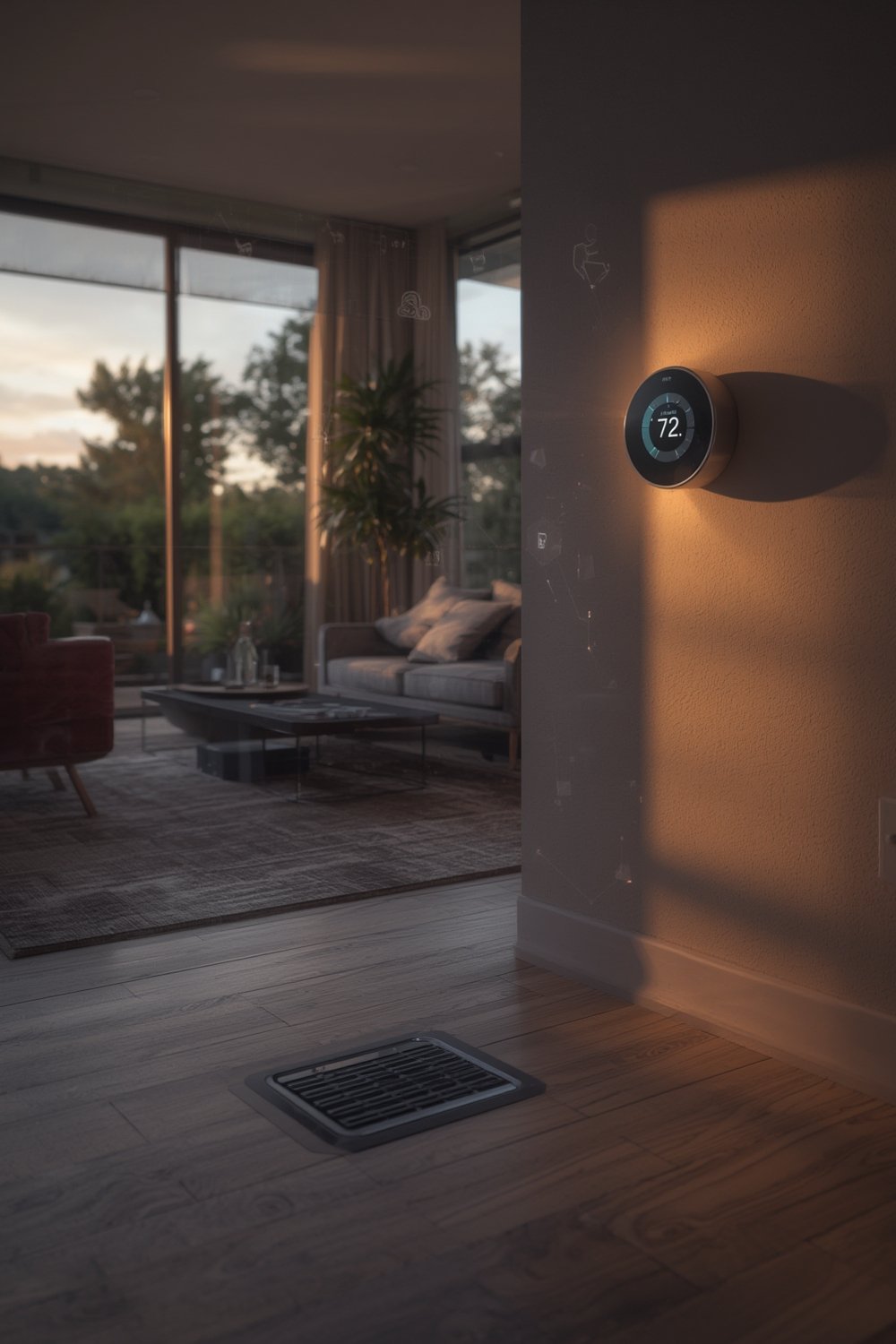
The promise: cut energy waste, boost comfort, and shrink your carbon footprint. But the reality is that household-level savings are hard to pin down. Economy-wide studies (PwC report) project a 0.5 to 1.1 percent reduction in overall energy use by 2035 due to general AI adoption, but there’s no hard data yet for residential users.
Still, as smarter climate management blends with other upgrades—like smart window blinds or energy efficient windows—the potential for comfort and energy cuts grows.
Step-by-Step Guide: How to Set Up Adaptive AI Climate Control at Home
Implementing Adaptive AI Climate Control isn’t a weekend swap. It’s a multi-stage process that pays dividends if done right. Here’s a realistic plan to get you started:
- Map Your Home’s Thermal Zones: Begin by listing which rooms or areas need precise temperature control. Bedrooms, home offices, and living areas are usually top priorities. This baseline helps you select the right AI platform.
- Choose a Compatible Self-Learning Thermostat: Not every “smart thermostat” offers adaptive AI features. Research brands that provide machine-learning powered climate management. Look for ongoing updates, open integration (works with multiple platforms), and a strong user community. For maximum value, consider pairing with a professional smart home installation service.
- Add smart vents or zone dampers: For full-room optimization, you’ll need smart vents or zone dampers to redirect airflow dynamically. Verify that these integrate with your chosen thermostat.
- Integrate Sensors and Data: Motion, humidity, and door/window sensors boost learning speed and accuracy. More data equals smarter adjustments over time.
- Set Up Room-by-Room Routines: Schedule initial temperature settings for daily use (wake, work, sleep). This jumpstarts the AI’s learning phase.
- Monitor, Wait, and Refine: Monitor system performance for several weeks. The more it learns, the more accurate—and efficient—your climate management will become.
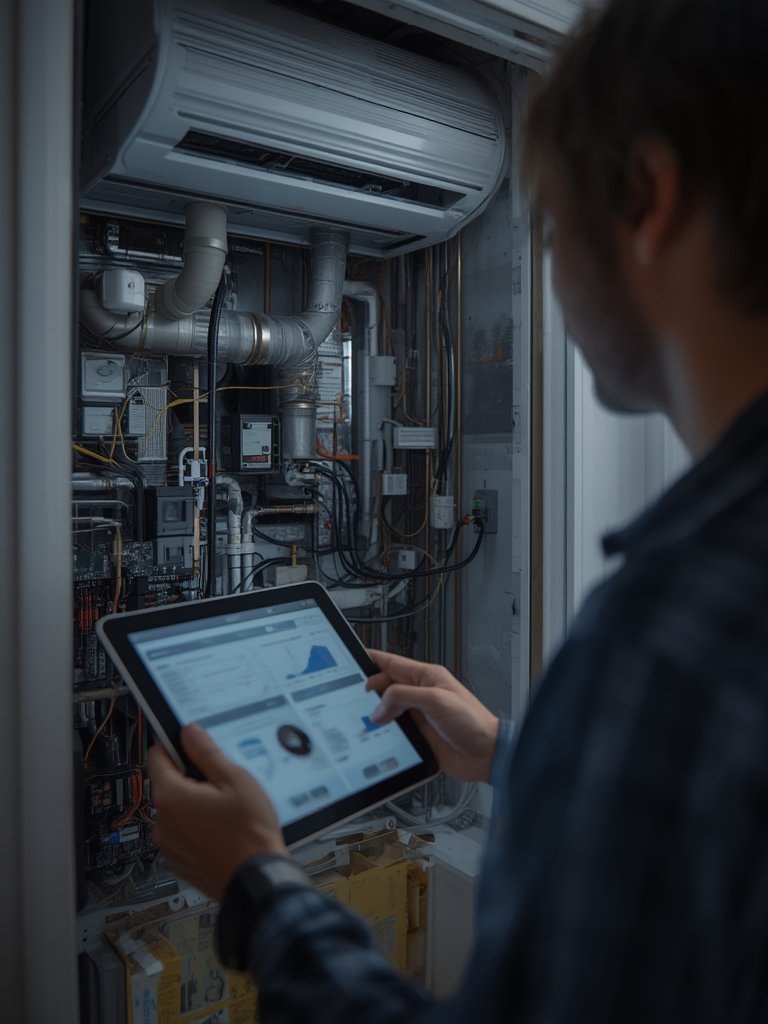
For extra efficiency, combine adaptive climate control with other proven upgrades from our Net Zero Ready Home guide—including insulation and renewable energy solutions.
Advanced Analysis & Common Pitfalls: Is the Hype Real?
Despite the excitement, most households won’t see dramatic energy cuts from Adaptive AI Climate Control alone. Here are the most common challenges and what you can realistically expect:
- Measurable Results Are Modest—So Far: There’s no concrete 2024 household comparison between adaptive AI and traditional HVAC systems. Broader AI studies suggest a less than 1.1 percent average energy reduction by 2035, with household savings likely falling on the conservative end. (PwC, Climate.ai)
- Technical Hurdles & User Frustration: Early adopters often hit issues during setup, like clunky integrations or bugs with smart vents. No specific user complaint patterns have emerged, but commercial building systems—where AI is more mature—still require expert tuning (ACEEE).
- Integration Gaps: Not all smart thermostats, vents, or sensors talk to each other smoothly. Cross-brand compatibility remains patchy.
- Upfront Costs: No 2024 comparison data is available, but adaptive AI platforms cost more than basic programmable thermostats—and require extra sensors and installation. Ongoing software fees or upgrades may apply.
- Unrealistic Expectations: Some users expect dramatic bill drops overnight. In reality, changes are gradual. Combining AI climate control with simple upgrades like air sealing and insulation brings better ROI.
| Feature | Adaptive AI Climate Control | Traditional Smart Thermostat | Conventional HVAC/Manual Control |
|---|---|---|---|
| Energy Savings (Projected) | Modest; <1% overall according to PwC | Varies (5-15% if programmed & used well) | Minimal/none |
| Required Hardware | AI thermostat, sensors, smart vents, integration hubs | Wi-Fi thermostat | Basic thermostat |
| Setup Complexity | High—detailed mapping, likely pro installation needed | Medium—DIY for most | Low |
| Integration | Often patchy; multiple brands may not ‘talk’ | Mostly consistent | Not applicable |
| User Effort | Low, once fully tuned | Medium (scheduling needed) | High (manual) |
| Maintenance | Software updates, occasional troubleshooting | Basic | None |
| Usability Issues | Possible for non-technical users | Less frequent | Minimal |
ROI increases when adaptive AI is just one piece of a larger home improvement puzzle. For instance, if you’re already replacing windows, check our energy efficient windows and solar control glass guides for combining climate automation with passive savings.
Conclusion
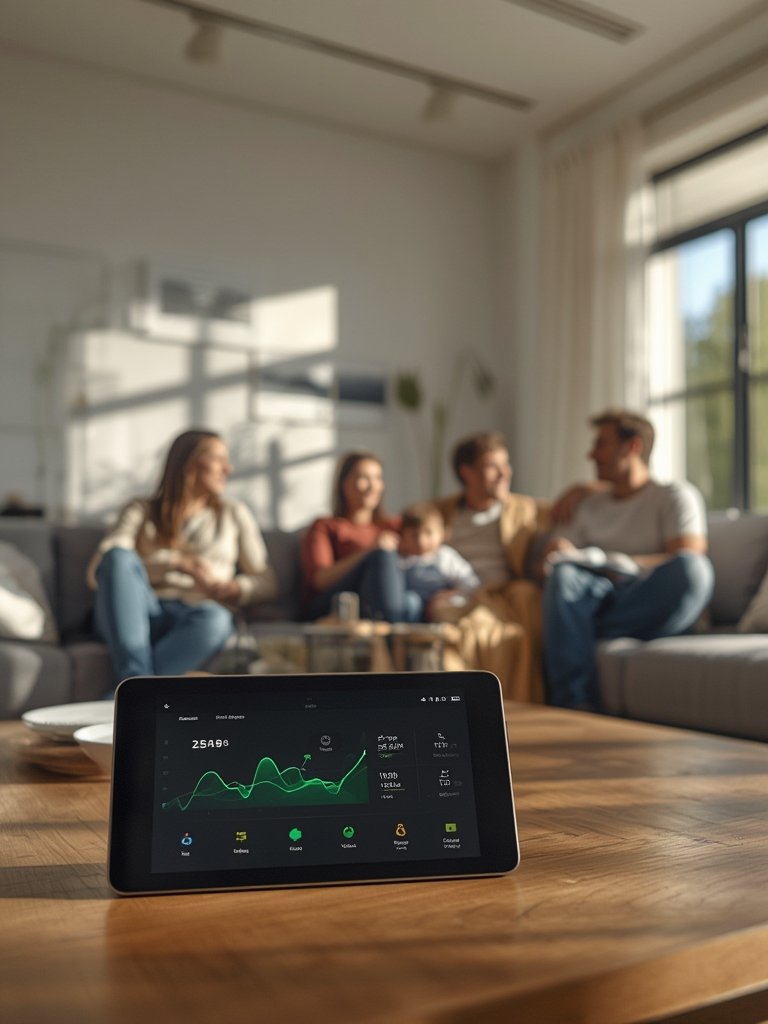
Adaptive AI Climate Control is an exciting, evolving approach to smarter home comfort—but it’s not a magic fix. While broader AI adoption could nudge down energy use, evidence for massive household-level savings is still emerging. For the best results, combine Adaptive AI Climate Control with proven upgrades and regularly review your bills to ensure real progress. Ready to future-proof your comfort? Start with a small zone, upgrade gradually, and revisit our energy efficiency planning guide for more actionable strategies using Adaptive AI Climate Control.
FAQ
Do Adaptive AI Climate Control systems work with all types of HVAC?
Most adaptive AI systems integrate best with forced-air HVAC setups using smart thermostats and vents. Compatibility for radiant, mini-split, or legacy systems may be limited and often requires specialized hardware.
How fast will I see energy savings after installing Adaptive AI Climate Control?
Expect subtle progress over several weeks or months. The system gradually learns your patterns, so immediate savings typically require pairing with other upgrades like insulation or smart window blinds.
Are there hidden fees or costs with Adaptive AI Climate Control?
Expect higher up-front costs for hardware and installation. Some platforms may charge ongoing software or integration subscription fees. Always get a full quote before purchasing.
Can Adaptive AI Climate Control help me reach Net Zero energy goals?
It can make a difference as part of a larger strategy—alongside insulation, solar energy, and efficient appliances. Use our Net Zero Ready Home guide for step-by-step advice.
What’s the biggest mistake homeowners make when installing Adaptive AI systems?
Jumping in with whole-house adaptation at once. It’s best to test on a single zone or room first, then gradually expand as you confirm compatibility and comfort.