

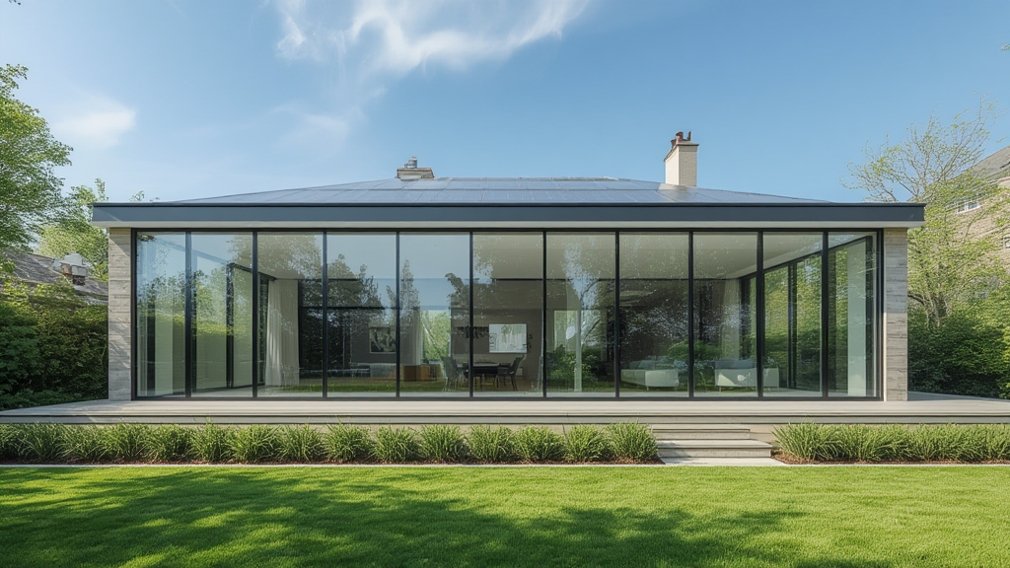
Solar Control Glass is rapidly changing how residential homes and extensions stay cool, reduce energy costs, and achieve modern comfort even as heatwaves become more frequent. Whether you’re building a sunroom, conservatory, or upgrading a living space, understanding the real-world impact, benefits, and challenges of this glass technology is critical for making smart home improvement decisions.
Key Takeaways
- Solar control glass can deliver up to 30% energy savings in residential applications, especially in double-glazed systems for modern extensions.
- Choosing the right balance between solar heat rejection and visible light is crucial; performance trade-offs and installation costs often go underexplained.
- Homeowners should be aware of practical pitfalls, like winter heat loss or lack of real-world performance data, before investing in solar control or low-E glazing.
- What is Solar Control Glass and Why Does it Matter?
- Step-by-Step Guide: How to Choose and Plan for Solar Control Glass
- Advanced Analysis and Common Pitfalls of Solar Control Glass
- Conclusion & Next Steps
- Frequently Asked Questions
What is Solar Control Glass and Why Does it Matter?
Solar control glass is a special glazing product engineered to regulate how much solar energy enters your home. By reflecting or absorbing portions of the sun’s heat, it helps prevent overheating, especially in spaces with a lot of glazing, such as extensions or garden rooms. This means less reliance on air conditioning and a consistently comfortable indoor temperature year-round.
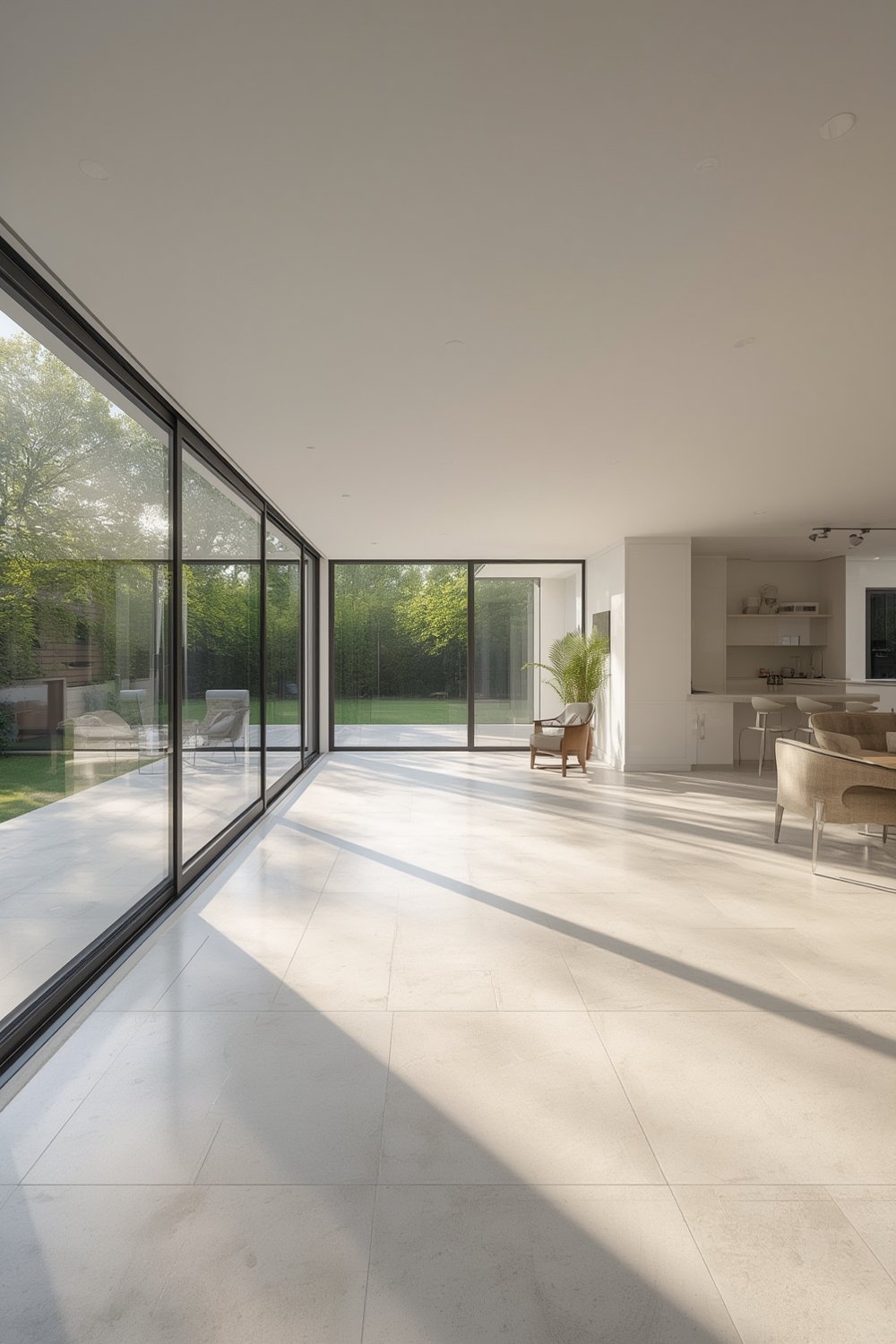
Modern double-glazed solar control panels provide an impressive blend of insulation and solar heat rejection. Recent research shows that homes using solar control glass enjoy up to 30% less energy consumption when compared to homes with older or standard double glazing (source). This isn’t just about savings: it’s about improved comfort during brutal summers and potential long-term increases in property value.
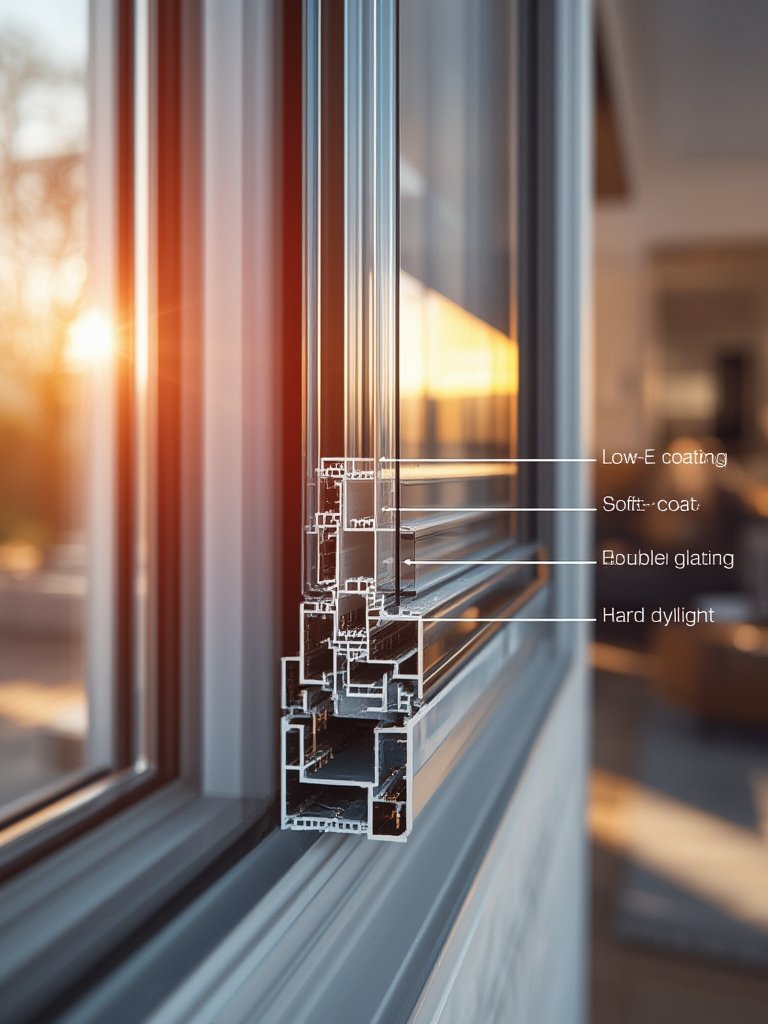
What makes it different from standard glass is the metallic or oxide coatings applied to its surface. These coatings selectively filter out infrared radiation, reducing solar heat gain while letting natural light through. The best performing products use soft-coat technology, dominating the market with nearly 70% share (source).
In highly glazed spaces (like those described in our Backyard Garden Rooms guide), this technology practically eliminates the need for summer cooling while maintaining bright, usable living areas year-round.
Step-by-Step Guide: How to Choose and Plan for Solar Control Glass
Installing solar control glass is both a technical and practical decision. Here is a step-by-step approach to ensure you get the most out of your investment:
-
Assess Your Climate and Room Orientation
South- and west-facing extensions get the most sun and benefit the most from solar control glass. If your extension faces north, traditional low-E options may suffice. -
Understand Performance Ratings
Look for U-values (measure of heat transfer), Solar Heat Gain Coefficient (SHGC), and Visible Light Transmittance (VLT). Lower U-values indicate better insulation. Lower SHGC means less solar heat passes through, and higher VLT ensures more daylight. -
Compare Glass Types
Double-glazed solar control glass dominates today due to its performance/cost ratio—over 56% market share (source). For even more efficiency, soft-coated low-E glass is superior to hard-coated, especially in climate extremes. -
Estimate Your Budget
Cost data is still limited—market reports do not provide precise per square meter figures for residential installations. However, expect to pay a premium over standard double glazing and check if your investment pays back via reduced energy bills over time. -
Installation and Fit
Always work with a certified installers familiar with advanced glazing. This helps avoid leaks, poor seals, and wasted energy. -
Plan for Maintenance and Longevity
The coatings on solar control glass are durable but susceptible to scratching and may degrade with improper cleaning. Use manufacturer-approved products for maintenance.
If you’re planning an energy efficient overhaul, explore pairing solar control glass with other upgrades outlined in our Energy Efficient Upgrades guide. For smarter window shade options, motorized blinds and window automation can further optimize comfort, especially in large extensions.
Finally, review any available government rebates or incentives for energy efficient windows, as highlighted in our comprehensive window replacement guide.
Advanced Analysis and Common Pitfalls of Solar Control Glass
While solar control glass promises lower cooling bills and greater interior comfort, homeowners should be aware of practical challenges and limitations that often go overlooked:
1. Trade-offs: Balancing Summer Gains and Winter Losses
Lower SHGC means less summer heat, but also less beneficial solar gain in winter. In northern climates or spaces with little winter sun, heating bills may increase if too much solar is rejected. Glare reduction can also dim indoor natural light.
2. Lack of Detailed Cost Data
Most recent reports do not offer clear residential pricing by square meter for the UK or US markets. Expect a premium for soft-coated or electrochromic smart glass, though these deliver the highest levels of comfort and efficiency. This makes budget planning tricky without detailed supplier quotes.
3. Unanswered User Complaints and Real-World Data Gaps
Surprisingly, little peer-reviewed or homeowner-reported data exists about comfort differences during peak heat, or about problems like excessive winter heat loss or glare. Without case studies—even in the heatwave-prone UK/US markets—consumers must rely on broader commercial results and generic product benefits (see analysis).
4. Smart Glass vs. Traditional Solar Control Glass
| Parameter | Electrochromic Smart Glass | Traditional Solar Control Glass |
|---|---|---|
| Visible Light Transmission (VLT) | 62% (clear) to <1% (tinted) | Typically 40–70% |
| Solar Heat Gain Reduction (Cooling) | HVAC cooling cut by 9–10% vs. high-perf. Low-E | Up to 30% energy savings vs. standard glazing |
| U-value (Thermal Insulation) | Varies by product; typically superior | Soft-coat best (lowest U-value); hard-coat less effective |
| Initial Cost | Highest; 2–3x standard glazing | Moderate; premium over standard double glazing |
| Control Flexibility | Dynamic (switchable tint) | Static |
If your project includes plenty of south- or west-facing windows, you might see optimal results from soft-coated solar control units (source). This approach is especially valuable in spaces designed for all-season use, like home offices or living room extensions.
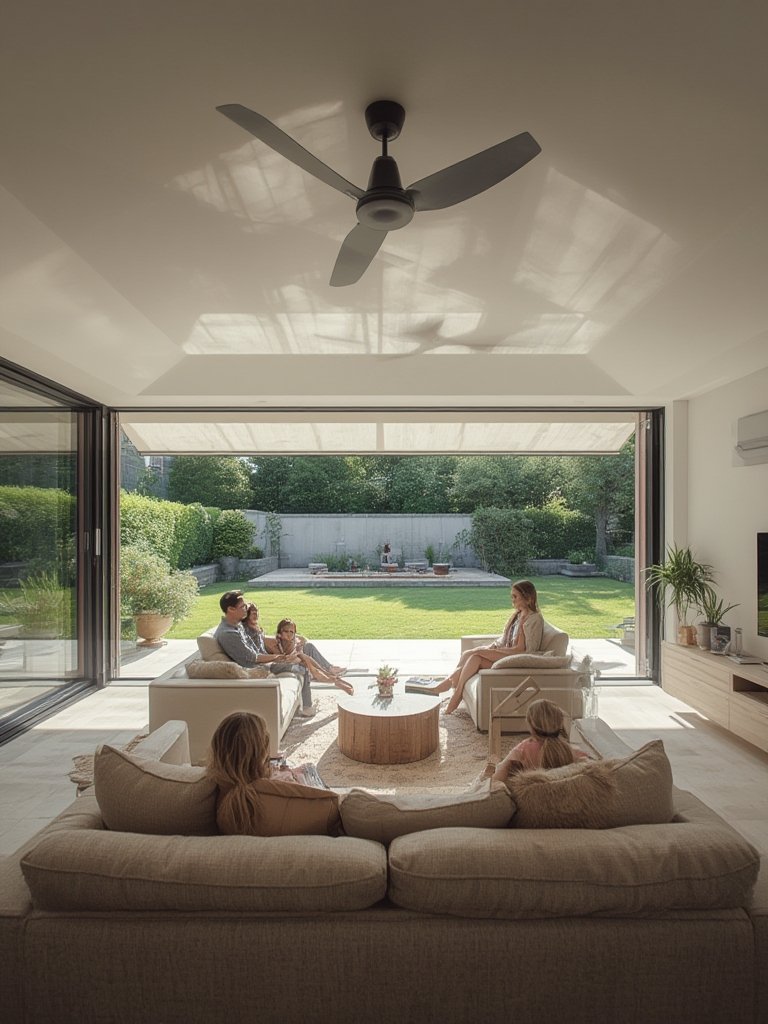
For garden rooms or sunrooms, compare U-values and SHGC to typical insulation strategies, as discussed in our external wall insulation cladding tips and kitchen remodel guide.
Conclusion & Next Steps
Solar control glass is a high-impact upgrade for any modern residential extension—but only when you match the product to your climate, glazing orientation, and budget. Double-glazed and soft-coated options offer top-tier summer comfort and energy savings. Yet, be realistic about installation costs, winter heating needs, and the current lack of detailed user data or case studies in the residential market.
If boosting comfort, energy efficiency, and year-round usability are your goals, review your window plans closely and consider expert guidance before purchasing. For more practical guidance and a detailed look at advanced window strategies, explore our Energy Efficient Windows and Net Zero Ready Home guides. Solar Control Glass isn’t a magic bullet, but with a careful approach, it’s one of the smartest moves you can make to future-proof your home.
Ready to upgrade? Get quotes from certified installers and compare options now—or explore our guides for energy savings throughout your home.
Frequently Asked Questions
How much energy can I realistically save with solar control glass?
Market-backed research shows energy savings up to 30% compared to standard double glazing, especially in sun-soaked spaces. Actual savings depend on home orientation, local climate, and your existing insulation levels.
Is solar control glass worth it for all climates?
It offers the greatest value in hot or sunny regions. In colder climates, its ability to reject winter sun may mean higher heating bills unless you balance it with strategically placed standard glazing.
Can I combine solar control glass with smart window shades?
Absolutely. Using motorized or smart blinds can further cut cooling loads and provide privacy, as detailed in our smart blinds guide.
Are there any known downsides to using solar control glass in a home?
Potential downsides include possible reduction in winter heat gain, sometimes making rooms feel cooler, and a higher up-front cost. Visual changes like increased tint or slight blue/grey hue may not suit all design tastes.
Is there any DIY option for improving my current windows’ solar control?
Applying ceramic-based window films to existing glazing is a cost-effective way to cut heat gain and glare—these films can achieve up to 15% savings in cooling but will not match full double-glazed units for insulation.