

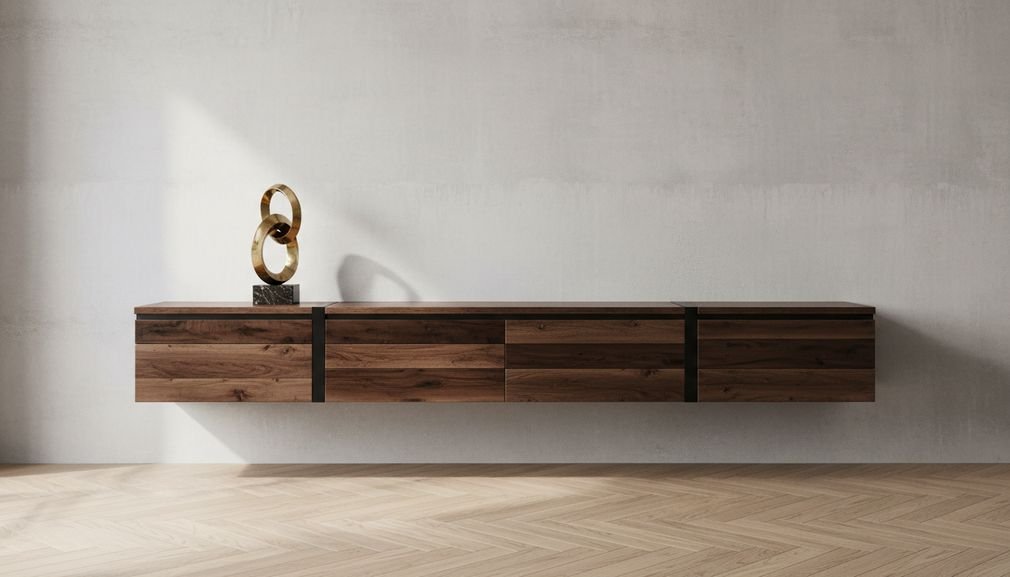
Choosing the right floating furniture wall units is the key to unlocking a minimalist, spacious, and sophisticated living area, but success hinges on balancing aesthetics with critical practical details.
Key Takeaways
- Floating furniture is not just a trend; it’s a booming market. The global wall-mounted shelves market is projected to hit $14.7 billion by 2033, driven by a consumer demand for space-saving, modern design.
- Practicality is paramount. Before buying, you must verify the unit’s weight capacity, understand the exact installation requirements for your wall type (drywall, plaster, brick), and have a clear plan for cable management.
- Due diligence protects your investment. Since warranties and return policies vary widely, always clarify these details before purchase. Ask about the warranty length, what it covers, and the process for returns or claims to avoid future headaches.
- The Allure of Floating Furniture: Redefining Modern Living Spaces
- Riding the Wave: Insights into the Booming Floating Furniture Market
- Material Matters: Aesthetics, Durability, and the Rise of Sustainable Choices
- Beyond the Look: Essential Practicalities for Successful Installation and Use
- Protecting Your Investment: Warranties, Returns, and Long-Term Support
- Conclusion: The Smart Way to Elevate Your Space
- Frequently Asked Questions
The Allure of Floating Furniture: Redefining Modern Living Spaces
The fundamental appeal of floating furniture wall units lies in their unique ability to transform a room. By lifting storage off the floor, they create an illusion of greater space, making even compact urban apartments feel open, airy, and uncluttered. This design approach is the cornerstone of modern minimalism, where clean lines and functional elegance are prioritized. More than just shelving, these integrated systems serve as entertainment hubs, display areas, and discreet storage, all while maintaining a sleek, architectural feel. This isn’t a niche trend; it’s a significant shift in home design, validated by a global wall-mounted shelves market valued at USD 8.6 billion in 2023 and projected to reach USD 14.7 billion by 2033, according to DataHorizzon Research (source). For design savvy buyers, this minimalist wall furniture is the definitive solution for a future-proof, sophisticated home.
Riding the Wave: Insights into the Booming Floating Furniture Market
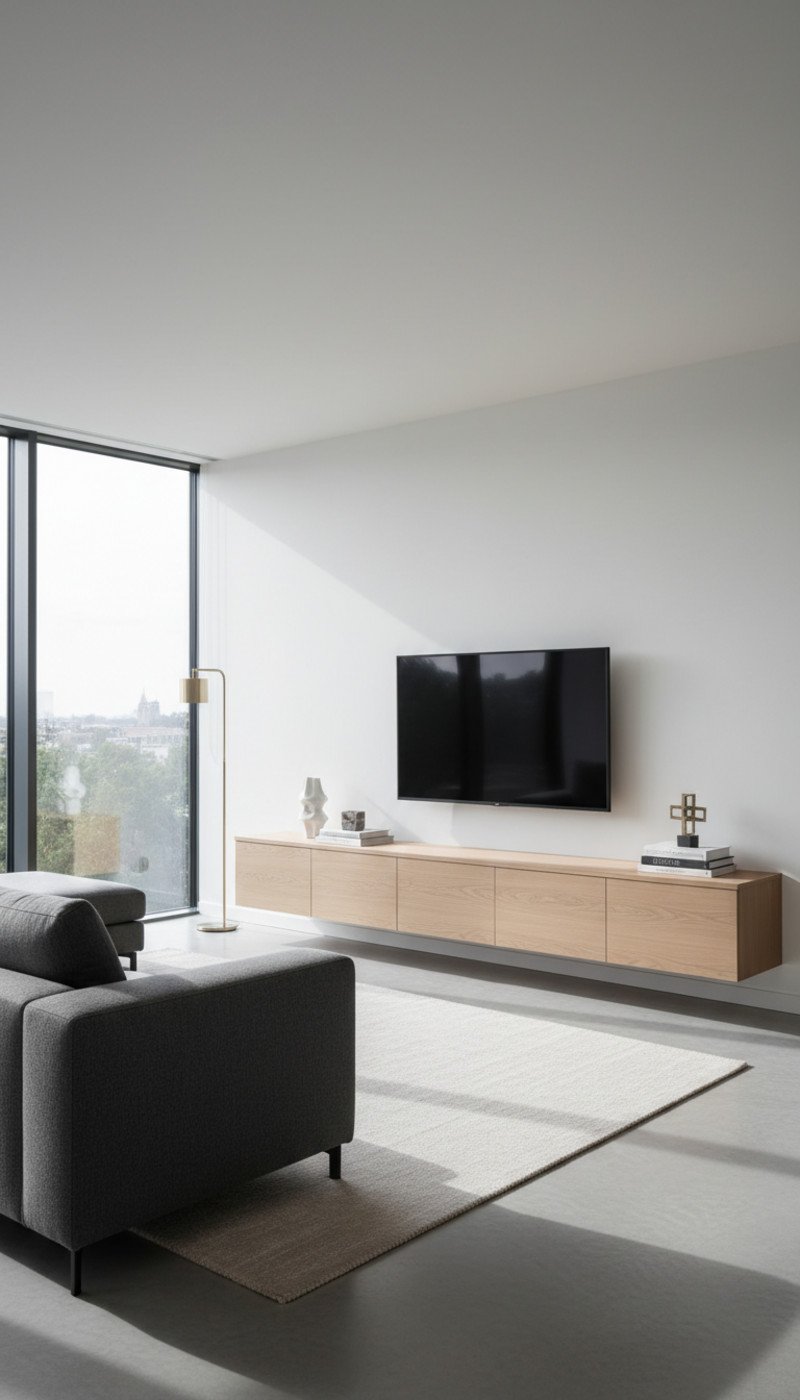
The move toward wall-mounted solutions is accelerating, particularly in North America. The US floating shelves market alone, valued at USD 1.5 billion in 2024, is on a steep upward trajectory. Projections show it rocketing to USD 3.2 billion by 2034, reflecting a robust compound annual growth rate (CAGR) of 8.1% as reported by Emergen Research (source). This growth signals strong consumer confidence and a sustained demand for modern wall storage units that solve real-world problems like space constraints and cable clutter.
This market expansion is also driving innovation. Manufacturers are responding with more modular and customizable options, catering to diverse room sizes and layouts. From compact units perfect for a small home office nook to expansive systems designed to be the centerpiece of a living room, the variety is greater than ever. As you explore options, consider how a modular sofa system might complement the adaptable nature of floating shelves furniture, creating a truly flexible living space.
Material Matters: Aesthetics, Durability, and the Rise of Sustainable Choices
The material you choose for your floating furniture wall units dictates not only the aesthetic but also the long-term durability and feel of your space. The market shows clear preferences and emerging trends. In 2024, wood remains the dominant choice, holding a substantial 55% market share in the US. This reflects a timeless appeal, from the rich, deep tones of walnut to the light, airy feel of oak. High-quality solid wood and premium veneers offer longevity and a classic look that pairs well with styles like burl wood furniture for a touch of organic luxury.
However, the fastest-growing segment is metal, which is expanding at a 10% CAGR. Metal units, often featuring powder-coated steel or aluminum, provide an industrial-chic or ultra-modern look. They are prized for their slim profiles and high strength-to-weight ratio. Alongside these, we’re seeing a significant rise in sustainable materials. Innovations in bamboo, recycled composites, and low-VOC finishes are becoming key selling points for environmentally conscious buyers. When choosing your modern wall storage units, weigh the visual impact against the material’s resilience and alignment with your values, especially if you’re incorporating other eco furniture sustainable pieces into your home.
Beyond the Look: Essential Practicalities for Successful Installation and Use
A beautiful floating unit can quickly become a source of frustration if the practical details are overlooked. For buyers like Anya and Ben, who are worried about complex installation and long-term stability, a pre-purchase checklist is non-negotiable. While market reports don’t detail common user complaints, anecdotal evidence points to a few critical areas that demand your attention. Before you commit, you must get clear answers from the manufacturer or retailer on the following points.
The Pre-Purchase Technical Checklist:
- Weight Capacity: This is the most critical factor. Ask for the maximum weight capacity per shelf and for the entire unit. Be specific about your needs. Will it hold a heavy TV, a soundbar, books, or just decorative items? Do not guess. Get the number in writing.
- Wall Compatibility and Installation: Your wall structure determines everything. Is the unit designed for drywall with wood studs, metal studs, plaster, or masonry? Confirm the required wall stud spacing (typically 16 or 24 inches in the US). A unit designed for 16-inch spacing may not work on a wall with 24-inch spacing without modification. Ask if all necessary mounting hardware (e.g., lag bolts, toggle bolts) is included for your specific wall type.
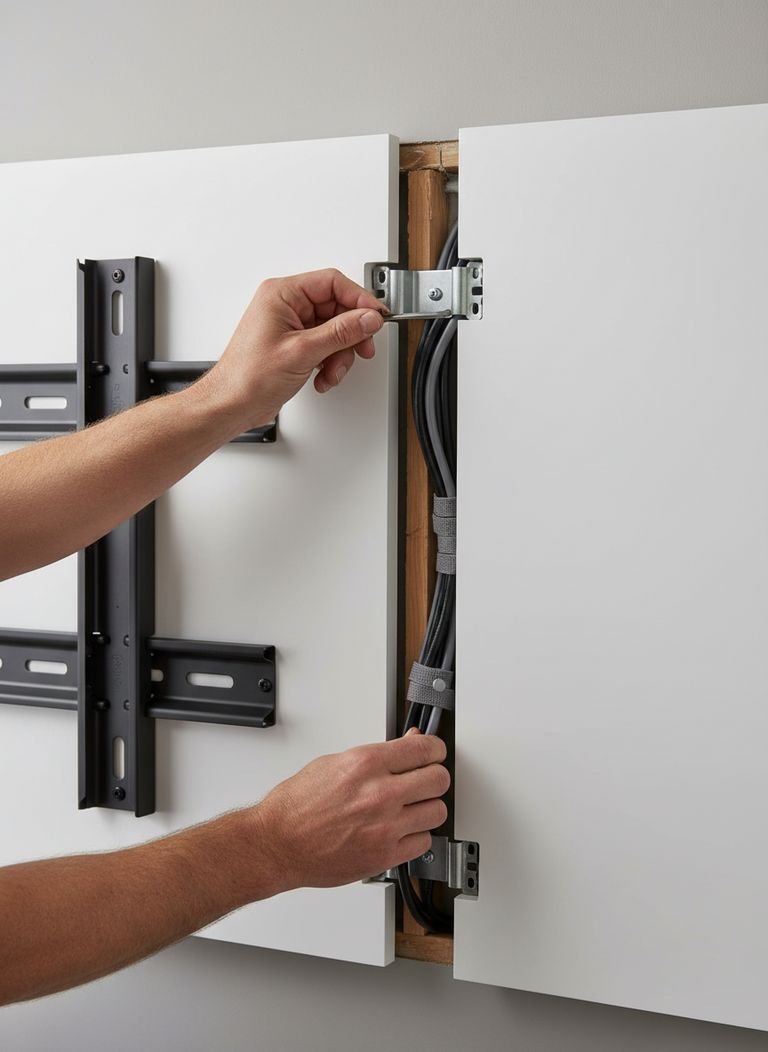
- Cable Management: Visible wires are the enemy of a clean, minimalist look. Examine the unit’s design for cable routing. Are there integrated channels, cutouts, or removable back panels? If not, you will need to plan a separate solution. This is especially vital for a wall mounted tv unit.
- Component Depth: If you plan to store AV equipment like a receiver, gaming console, or cable box, measure their depth (including plugs and cables) and compare it to the internal depth of the unit. Many sleek, modern units are surprisingly shallow and may not fit bulkier components.
Understanding these technical aspects is as important as choosing the right finish. For those undertaking a broader renovation, applying this level of diligence is similar to planning for kitchen remodel ideas where function must lead form. If the installation seems too complex, factor in the cost of a professional installer. While no average cost data exists, getting a quote beforehand prevents budget surprises.
Protecting Your Investment: Warranties, Returns, and Long-Term Support
Once you’ve navigated the design and technical specifications, the final step is to understand the long-term commitment from the manufacturer. This is where many buyers feel uncertain, as policies can be opaque. Since market research provides no specific data on typical warranty periods or common post-purchase issues, it falls to you to be a proactive consumer. A high-quality piece of furniture is an investment, and you should treat it as such.
Before finalizing your purchase of any modern wall storage units, ask these direct questions:
- What is the exact warranty period? Is it one year, five years, or limited lifetime?
- What does the warranty cover? Does it cover manufacturing defects in materials and workmanship? Does it cover the finish, hardware, or mounting brackets? What is explicitly excluded (e.g., damage from improper installation, normal wear and tear)?
- What is the return policy? How many days do you have to return the product if it doesn’t meet your expectations? Are there restocking fees? Who pays for return shipping, which can be substantial for large items?
- How do I make a claim? Is there a dedicated customer support line or email? What documentation is required? Knowing the process upfront can save immense frustration later.
A reputable company will have clear, straightforward answers to these questions. Vague responses or an inability to provide a written policy are significant red flags. This level of scrutiny is crucial, whether you are buying a complex system or a simple set of walnut shelving units. Getting clarity on these points ensures your expectations are realistic and provides a safety net for your investment in floating furniture wall units.
Conclusion: The Smart Way to Elevate Your Space
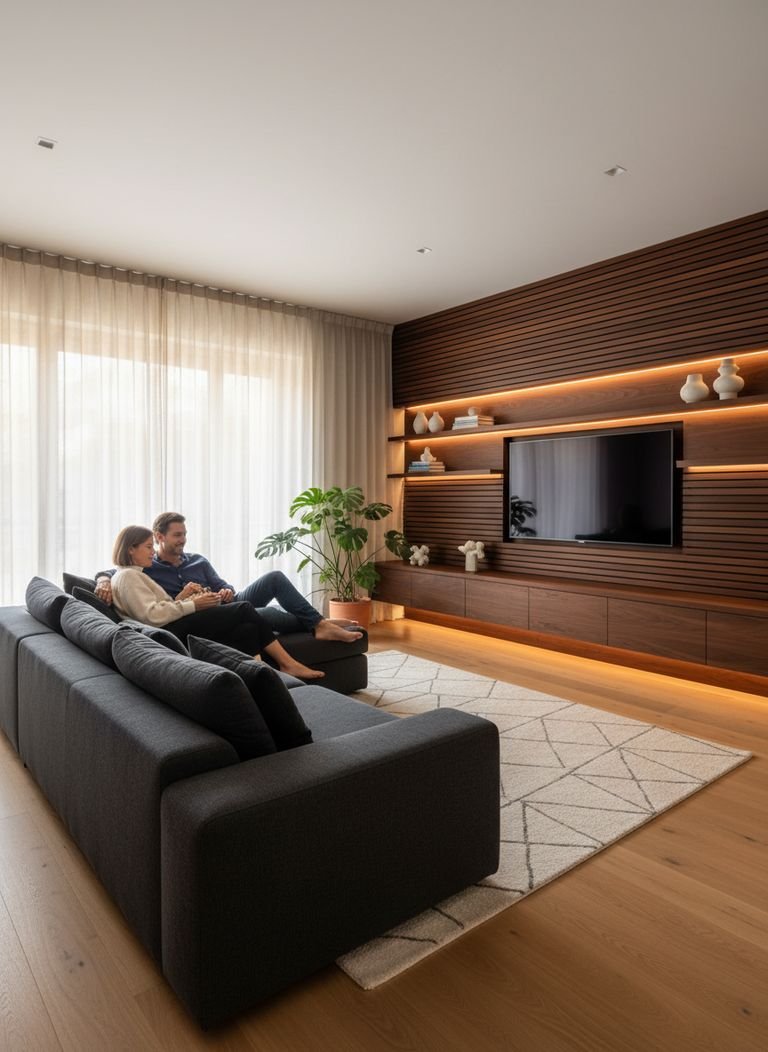
Integrating floating furniture into your home is an effective way to achieve a modern, space-efficient aesthetic that feels both luxurious and practical. The booming market reflects a clear consumer shift towards smarter, more elegant storage solutions. However, the path to a successful outcome is paved with practical research. By focusing on material durability, confirming critical technical specifications like weight capacity and installation needs, and diligently verifying warranty and support policies, you move beyond just buying furniture—you make a calculated, long-term investment in your home’s functionality and style.
By arming yourself with the right questions and a clear understanding of your requirements, you can confidently select and install the perfect floating furniture wall units that will serve your home beautifully for years to come. Ready to find the perfect smart home upgrades to complement your new minimalist setup? Explore our guide on smart home installation services to complete your modern living space.
Frequently Asked Questions
What is the most important factor to check before buying a floating TV unit?
The single most important factor is the unit’s maximum weight capacity and ensuring it is compatible with your specific wall type. You must verify that the unit can safely support your television and any other devices you plan to store. Equally important is confirming that the provided mounting hardware is appropriate for your walls, whether they are drywall with wood studs, plaster, or masonry.
Can floating furniture be installed on any wall?
No, not all walls are suitable. Floating furniture requires secure anchoring into a solid structure. Drywall with wood or metal studs is most common. Plaster and masonry (brick, concrete) walls can also work but often require specialized hardware and installation techniques. It is generally not recommended to install heavy units on drywall alone without anchoring to studs.
How do I hide cables and wires effectively with a floating wall unit?
Look for units with built-in cable management features, such as hollow channels, removable back panels, or pre-drilled holes. If the unit lacks these, you may need an external solution like an in-wall cable management kit (which routes cables behind the drywall) or a paintable cord cover that runs along the wall.
Are floating wall units difficult to install myself?
Installation complexity varies significantly. Simple shelves may be a straightforward DIY project for someone with basic tools and experience. However, large, multi-component entertainment units can be very challenging. They require precision, leveling, and securely locating wall studs. If you are not completely confident, hiring a professional is the safest option to ensure a secure and level installation.
What materials are most durable for floating furniture?
Solid wood, high-quality plywood, and heavy-gauge metal are among the most durable options. While MDF (Medium-Density Fiberboard) is common and affordable, its durability, especially its resistance to sagging under weight over time, can be lower than solid wood or metal. Always check the material specifications and warranty to gauge long-term durability.