

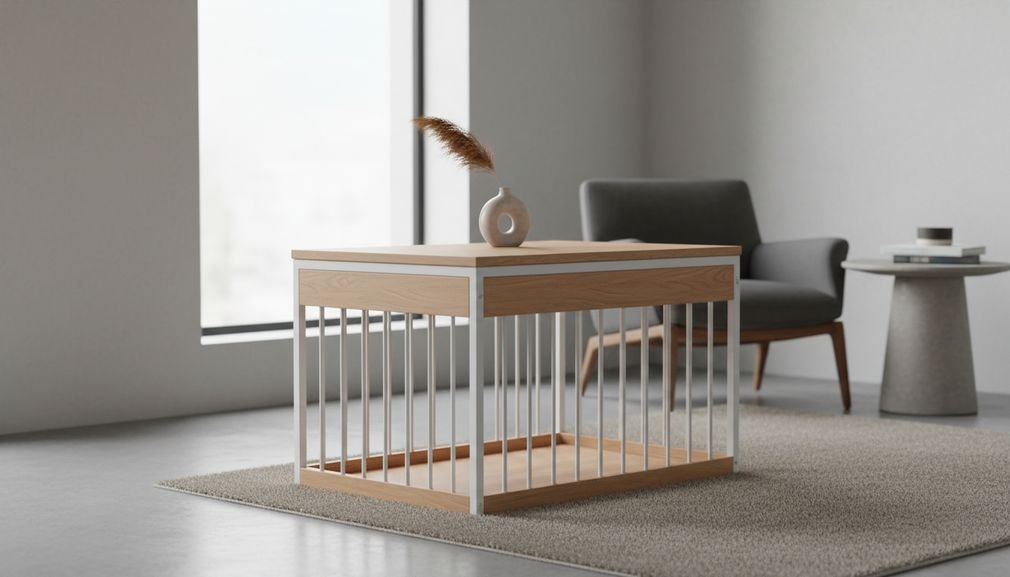
Choosing Minimalist Aesthetic Pet Crates is no longer just about function; it’s about integrating your pet’s space into your home’s design narrative without compromise. These pieces serve as a testament to the idea that pet ownership and sophisticated interior design can, and should, coexist beautifully.
Key Takeaways
- Minimalist pet crates are designed as dual purpose furniture, blending seamlessly into modern home decor while providing a safe haven for your pet.
- Key purchasing factors include material quality (non toxic and durable), proper ventilation for pet comfort, and a design that complements your existing aesthetic.
- “Crate as Table” designs are a popular, space saving solution for urban dwellers, but require careful consideration of load bearing capacity and durability to function safely as furniture.
- Elevating Pet Living: The Rise of Minimalist Aesthetic Pet Crates
- Beyond Basic: Defining Furniture-Style Dog Kennels
- Design Harmony: Popular Aesthetic Styles for High-End Pet Crates
- The Ingenuity of “Crate-as-Table” Designs
- Prioritizing Pet Comfort and Well-being
- Investing in Health: Non-Toxic Materials and Certifications
- Seamless Integration: Styling Your Furniture-Style Kennel in Open-Concept Spaces
- Making the Smart Choice: What to Consider Before Buying
- Conclusion: Style, Comfort, and Peace of Mind
- Frequently Asked Questions
Elevating Pet Living: The Rise of Minimalist Aesthetic Pet Crates
The traditional wire or plastic pet crate, while functional, often clashes with thoughtfully curated interiors. This discord has fueled a design revolution in pet products, giving rise to minimalist aesthetic pet crates that are as much a statement piece as they are a cozy den for your companion. This shift reflects a growing market of discerning homeowners who see their pets as integral family members and seek solutions that honor both their pet’s needs and their home’s style. The overall pet furniture market, which includes these design forward items, was valued at an impressive USD 4.23 billion in 2024 and is projected to climb to USD 4.47 billion in 2025, highlighting a clear demand for products that merge pet care with home decor.
Beyond Basic: Defining Furniture-Style Dog Kennels
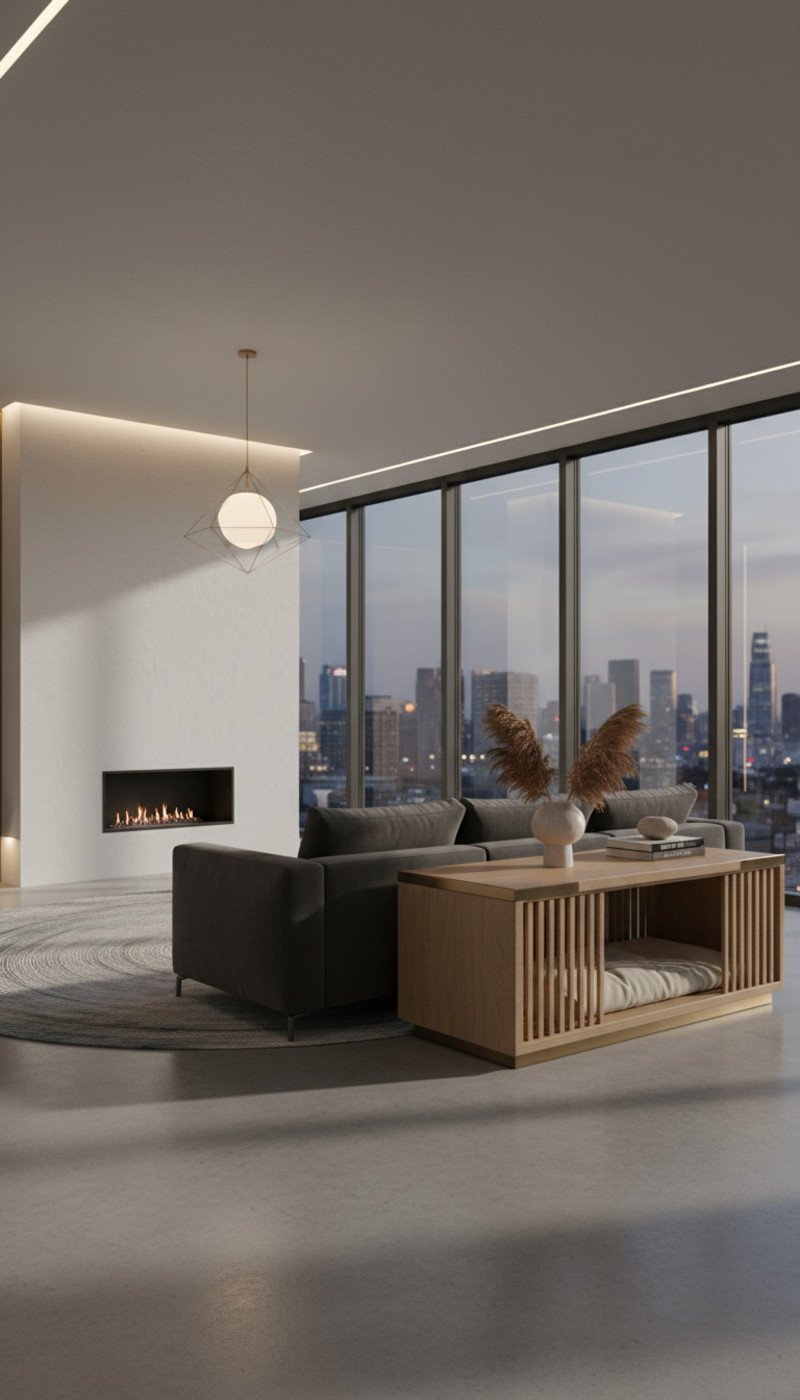
A furniture-style dog kennel transcends its basic function. Unlike a standard crate designed to be hidden away, it’s crafted to be seen and used as a piece of furniture—an end table, a console, or even a credenza. This dual purpose is what sets it apart. These pieces are not merely enclosures; they are integrated components of your living space. The demand for these clever designs is largely driven by modern living trends. According to market analysis, the dominance of indoor dog crates is a direct result of “urbanization and demand for compact, multifunctional designs integrating with trendy interiors.” As living spaces become smaller, every item must earn its place, and a decorative indoor dog house that also serves as a functional surface is an intelligent solution for the style conscious urban pet owner.
Design Harmony: Popular Aesthetic Styles for High-End Pet Crates
When selecting a high end pet crate, the goal is aesthetic cohesion. You want a piece that speaks the same design language as the rest of your furniture. Several popular styles have influenced the modern pet crate market, ensuring there’s an option for almost any decor scheme. For instance, a Mid-century modern pet crate often features clean lines, tapered legs, and warm wood tones like walnut, perfectly complementing other iconic pieces from that era. Other minimalist aesthetics include Scandinavian designs, which prioritize light woods, simplicity, and functionality, and industrial styles that might incorporate metal mesh with reclaimed wood for a more edgy, urban feel. The right choice will feel like an intentional part of your decor, not a necessary afterthought. A well-chosen crate can enhance your space much like carefully selected walnut living room furniture elevates a room’s character.
The Ingenuity of “Crate-as-Table” Designs
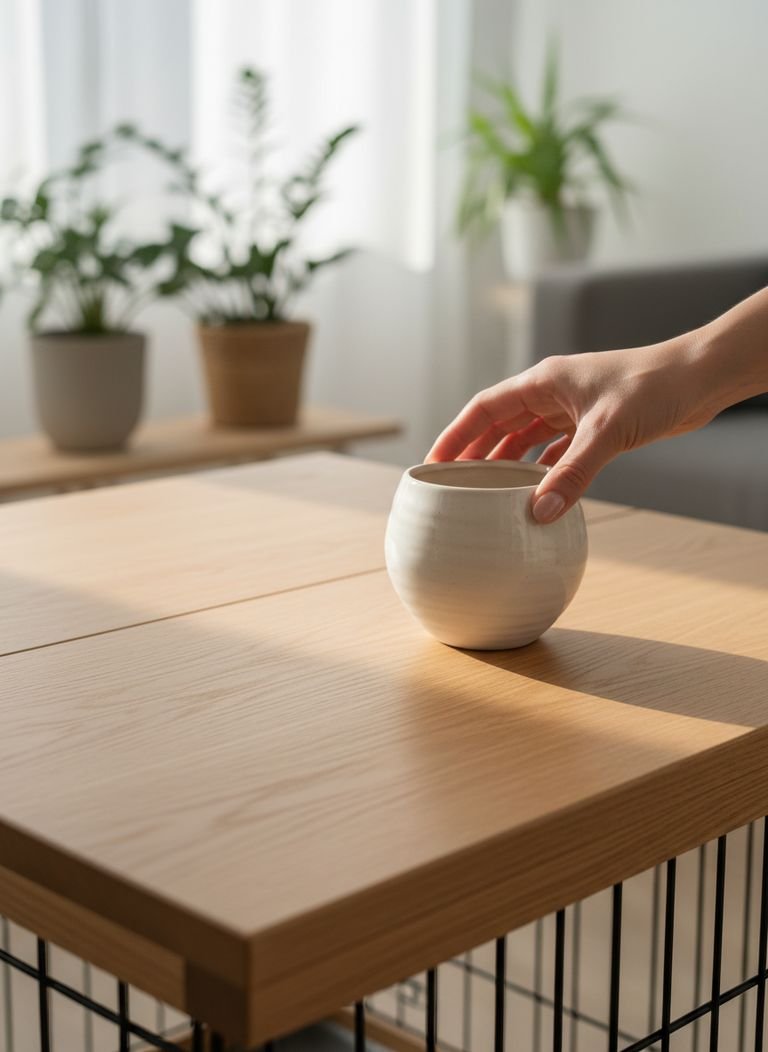
The “Crate-as-Table” design is perhaps the most practical innovation in this category. By creating a sturdy, flat top surface, these crates pull double duty as end tables next to a sofa, nightstands in a bedroom, or console tables in an entryway. This is an exceptional space saving strategy, particularly in apartments or homes with open concept layouts where every square foot counts. The key to a successful “Crate-as-Table” design lies in its construction. It must be built with durability in mind, capable of supporting lamps, books, and decor without wobbling or showing wear. While specific load bearing data is scarce, general manufacturing trends point towards the use of lightweight yet strong materials like “reinforced plastics and aluminum” to provide strength without excessive bulk. For wooden models, look for solid wood construction or high quality engineered wood with robust joinery to ensure it can handle the demands of daily life.
Prioritizing Pet Comfort and Well-being
While aesthetics are paramount, the primary purpose of a crate is to be a safe and comfortable retreat for your pet. A beautiful design is worthless if your dog avoids it. Excellent ventilation is non negotiable; look for designs with ample openings on at least three sides to ensure proper airflow and prevent overheating. The interior surface should be smooth, free of sharp edges, and easy to clean. Many high end models come with removable, washable pads, but you can always add your own comfortable bedding. Sizing is also critical. Your dog should be able to stand up, turn around, and lie down comfortably. A crate that is too large may not feel secure, while one that is too small is simply inhumane. Creating a truly pet-ready home means prioritizing their well being in every product choice, and a crate is no exception.
Investing in Health: Non-Toxic Materials and Certifications
As a discerning pet owner, you are right to be concerned about the materials your pet is exposed to daily. Low quality furniture can off gas volatile organic compounds (VOCs) from paints, glues, and finishes, which are harmful to both pets and humans. When investing in minimalist aesthetic pet crates, prioritize those made with non toxic, environment-friendly materials. Look for solid wood, bamboo, or high grade, BPA free plastics. Pay attention to the finishes; seek out water based, low VOC or zero VOC paints and stains. While specific certifications like GREENGUARD Gold aren’t always listed for pet furniture, brands that highlight their use of sustainable or non toxic materials are making a statement about their commitment to quality and safety. This focus on eco-conscious materials not only ensures a healthier environment for your pet but also contributes to greater product longevity.
Seamless Integration: Styling Your Furniture-Style Kennel in Open-Concept Spaces
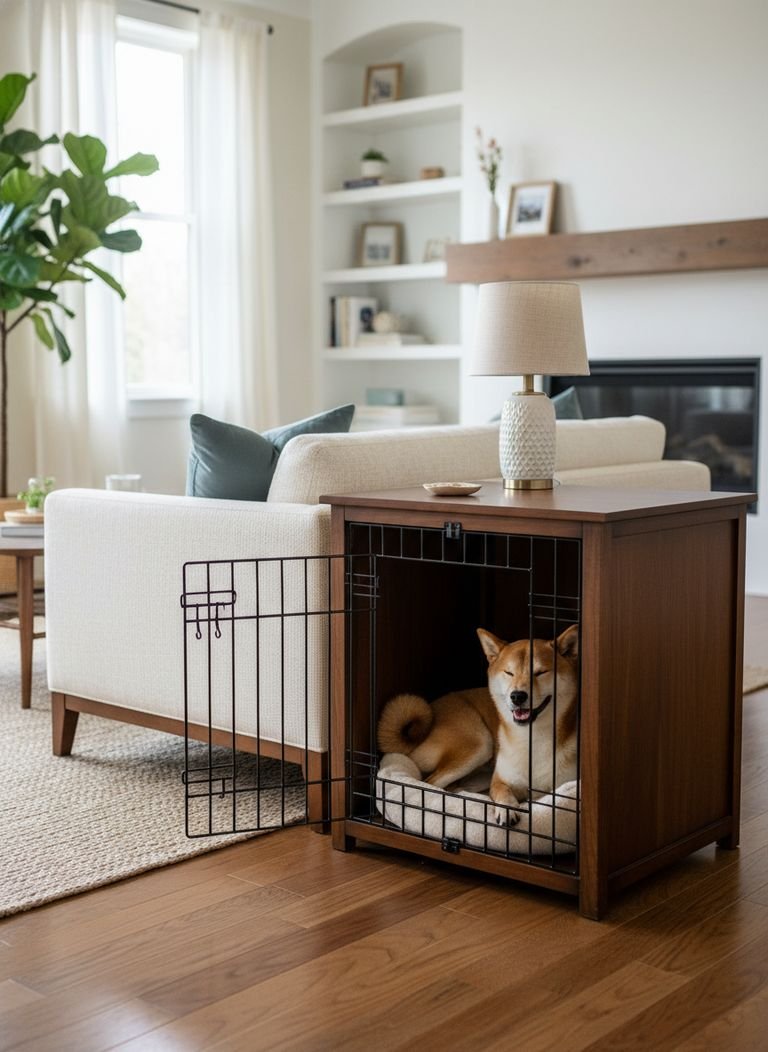
Integrating a furniture-style dog kennel into an open concept living area requires a bit of strategic thinking to maintain a cohesive design. The key is to treat it like any other piece of high-end furniture. Place it where it makes functional sense—as an end table next to your sofa or as a console table along a hallway wall. Ensure its style and material match or complement your existing decor. For example, a dark walnut crate will pair beautifully with other dark wood furniture trends. To make it feel truly integrated, style the top surface. A stylish lamp, a stack of books, and a small plant can transform it from a pet product into a designed vignette. This approach reinforces its dual purpose and ensures it enhances, rather than detracts from, your home’s aesthetic.
Making the Smart Choice: What to Consider Before Buying
Choosing the right high-end pet crate is an investment in your home and your pet’s well being. Before you buy, run through a mental checklist to ensure you’re making a wise decision. While the market offers many beautiful options, not all are created equal in terms of quality and safety. Consider the long term maintenance; is the material scratch resistant and easy to clean? Does the hardware feel sturdy and secure? Given the lack of standardized load bearing specifications for “Crate-as-Table” designs, use your judgment. Does it feel solid enough to confidently place a heavy lamp on? Compare it not just to other crates, but to other furniture in a similar price range, like pieces you might find when considering Ashley Furniture and Bob’s Near Me. Here is a quick comparison of what to prioritize:
| Consideration | What to Look For | Red Flags |
|---|---|---|
| Material & Finish | Solid wood, furniture-grade plywood, non-toxic finishes, heavy-gauge metal. | Particleboard (MDF) that isn’t properly sealed, strong chemical smells, thin or easily scratched finishes. |
| Pet Comfort & Safety | Excellent ventilation on 3+ sides, smooth interior, secure latch, correct size for your pet. | Poor airflow, sharp edges or exposed screws inside, latches a clever dog could open. |
| Durability & Function | Sturdy construction that doesn’t wobble, robust hardware, easy-to-clean surfaces. | Wobbly legs, flimsy door hinges, surfaces that seem prone to water damage or stains. |
| Aesthetic Integration | Style and color that complement your existing decor; proportions that fit the intended space. | A design that clashes, or dimensions that overwhelm or look too small for the room. |
Conclusion: Style, Comfort, and Peace of Mind
Investing in a high quality, furniture style pet kennel is a smart decision for the modern pet owner. It eliminates the need to choose between your pet’s comfort and your home’s aesthetic. By carefully evaluating materials, construction, and design, you can find a piece that serves as a safe sanctuary for your beloved companion while also functioning as a beautiful and useful piece of furniture. This thoughtful approach to pet ownership allows you to create a harmonious living environment for every member of your family, two legged and four. Ultimately, the best Minimalist Aesthetic Pet Crates deliver on three fronts: impeccable style, uncompromising pet comfort, and the peace of mind that comes from a smart, durable investment.
Ready to upgrade your pet’s space and your home’s style? Explore our curated guides on creating a beautiful and pet-friendly home today.
Frequently Asked Questions
Are furniture style dog crates safe for dogs that chew?
It depends on the material and the dog. For heavy chewers, a crate made of solid wood or metal is a better choice than one made from MDF or softer woods. No wooden crate is completely chew proof, so it’s crucial to provide plenty of appropriate chew toys and monitor your dog’s behavior, especially when first introducing the crate.
How do I choose the right size minimalist pet crate?
Measure your dog from the tip of their nose to the base of their tail, and from the top of their head to the floor. The crate should be at least 4-6 inches longer and taller than these measurements to allow them to stand, turn around, and lie down comfortably. Always check the manufacturer’s weight and breed recommendations as a guide.
Can a “Crate-as-Table” design really support a heavy lamp or other items?
High quality models are designed for this dual purpose. Look for crates made from solid hardwood, heavy duty steel, or furniture grade plywood. Check product descriptions for any stated weight limits. As a rule of thumb, if the crate feels solid and does not wobble, it can likely support common tabletop items like a lamp, books, or a plant.
Are minimalist pet crates well ventilated?
Most are, but it’s a critical feature to verify. A good design will have significant open areas on at least three sides to ensure cross ventilation. Avoid designs that are mostly solid panels with only small peepholes, as they can become stuffy and uncomfortable for your pet.
How do I clean a wooden furniture style pet crate?
For routine cleaning, use a soft, damp cloth with a mild, pet safe cleaner. Avoid harsh chemicals that could damage the finish or harm your pet. Many crates have a waterproof or water resistant floor, which makes cleaning up accidents easier. For a deep clean, you can remove all bedding and wipe down all interior surfaces.