

### Blog Post:
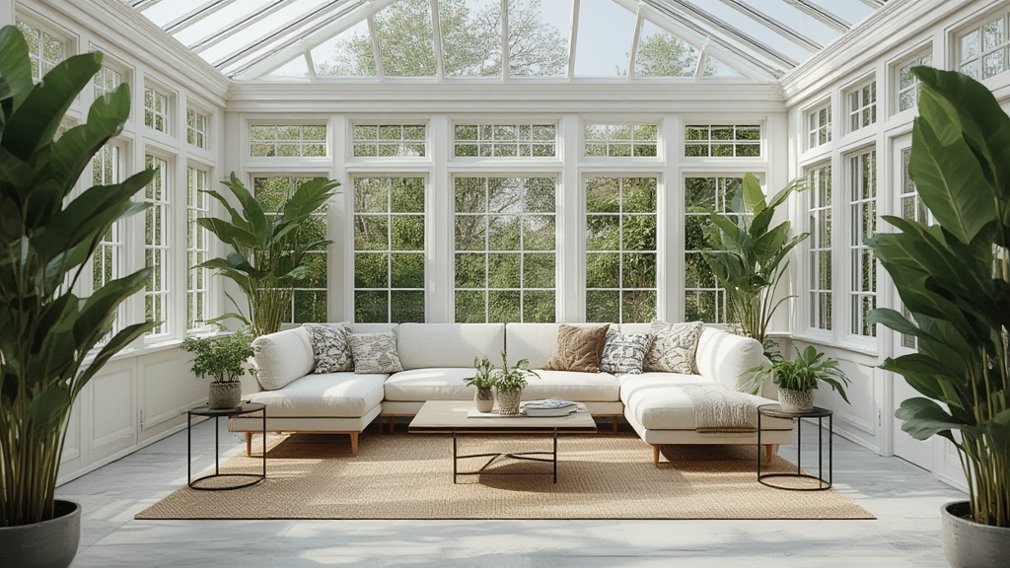
Conservatory furniture is the backbone of any successful indoor garden room. It bridges the gap between function and style, transforming a sunroom or glass enclosure into a comfortable extension of your home for relaxation, entertaining, and plant enjoyment.
Key Takeaways
- Conservatory furniture must handle moisture and sun, so choosing sustainable, multifunctional designs is crucial.
- The global outdoor furniture market is valued at $22.51 billion with growth driven by demand for custom, eco-friendly solutions.
- Modular, plant-friendly, and space-saving furniture boosts comfort, functionality, and resale value in conservatories.
- The Core Concept: What is Conservatory Furniture and Why Does it Matter?
- Step-by-Step Guide: How to Choose the Best Conservatory Furniture
- Advanced Analysis & Common Pitfalls
- Conclusion
- FAQ
The Core Concept: What is Conservatory Furniture and Why Does it Matter?
Conservatory furniture refers to seating, tables, and accessories designed for glass-enclosed garden rooms, sunrooms, or orangeries. These pieces face unique temperature swings, direct sunlight, and humidity from plants or outdoor ventilation. Unlike standard indoor or patio sets, conservatory furniture must resist fading and warping while feeling cozy year-round.
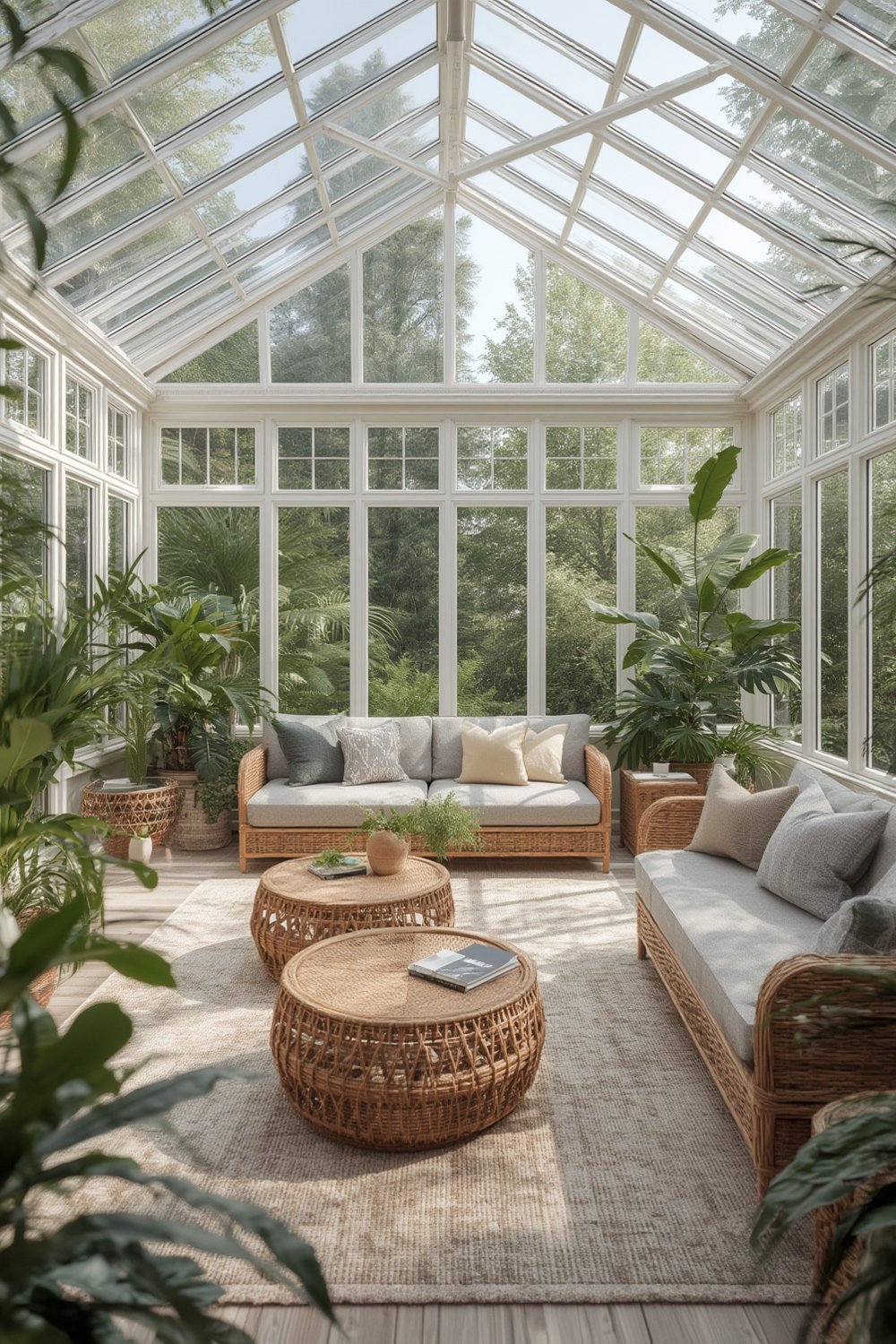
The global outdoor furniture industry, which includes conservatory-specific options, was worth over $22.5 billion in 2024. Market growth comes from hospitality trends and the “outdoor living” movement—more homeowners transform underused indoor-outdoor spaces into livable sanctuaries. Modern conservatory furniture spans bamboo sofas, modular rattan suites, foldaway tables, and eco-conscious designs for buyers prioritizing both comfort and sustainability.
With increased demand for customisation and sustainable materials like recycled metals, bamboo, and reclaimed wood (source), conservatory furniture now serves as an interior upgrade with real lifestyle and resale benefits. Selecting the right pieces improves relaxation, plant health, and the overall value of your home.
Step-by-Step Guide: How to Choose the Best Conservatory Furniture
Transforming a conservatory starts with making informed, realistic choices. Here’s a practical framework for selecting, buying, and arranging conservatory furniture that truly works:
- Assess Your Space and Sun Exposure.
- Measure your conservatory’s dimensions and window orientation. Check for hot zones, drafts, and moisture-prone corners.
- Think about intended uses: lounging, work, dining, or plant display.
- Choose Your Core Pieces.
- Sofas and lounge chairs: Rattan, resin, or bamboo for durability. Look for removable, washable cushions in UV-resistant fabrics.
- Tables: Consider foldable or nesting tables to maximise space.
- Storage: Opt for built-in planters, benches with stow space, or open shelving for gardening supplies and decor.
- Select Sustainable, Multifunctional Options.
- Prioritise furniture with recycled materials, low VOC finishes, or certifications for eco-standards.
- Multifunctional sets, like ottomans with storage or modular seating, save room and adapt as needs change.
- Test Before You Buy or Shop Smart Online.
- At showrooms, test comfort and inspect for solid frame construction. For e-commerce, look for detailed specs and customer reviews (e-commerce now drives over 22% of sales—see the trend).
- Integrate with Plants and Home Style.
- Match finishes to nearby rooms for a cohesive flow, or pick natural tones to blend with houseplants. Stain-resistant upholstery is a must if you propagate plants in the conservatory.
- Plan for Easy Care and Replacement.
- Choose covers and cushions you can easily clean or replace. Buy from brands that offer spare parts or guaranteed aftercare.
- Check Light and Temperature Tolerance.
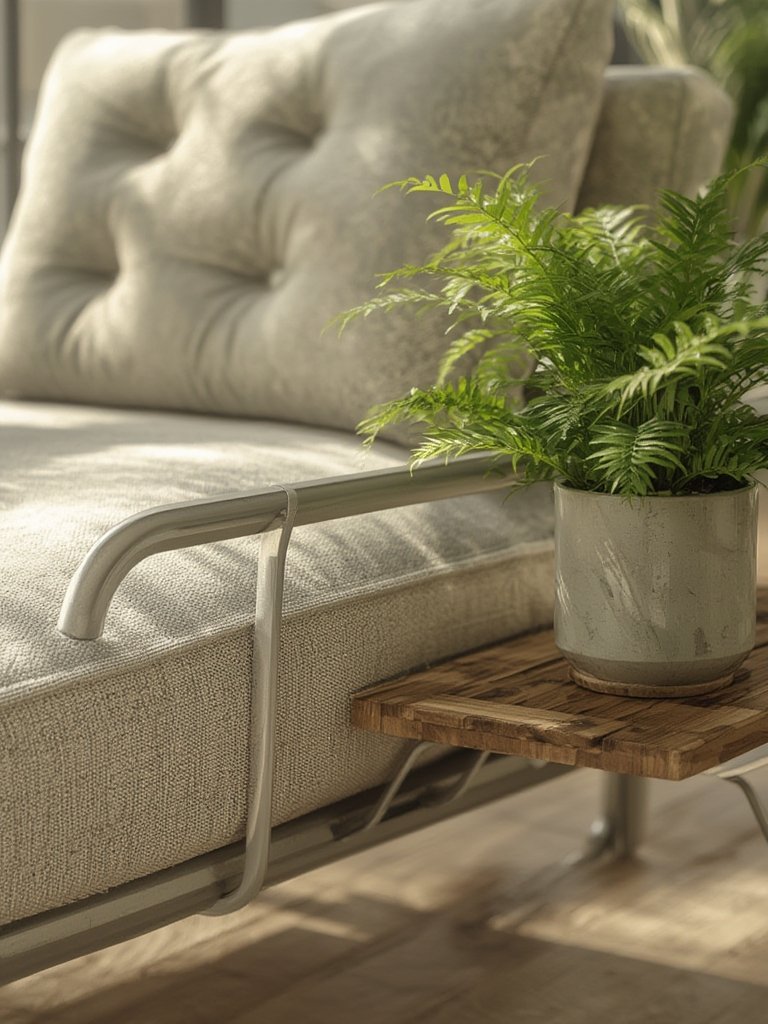
- If your conservatory is unheated or gets intense sun, be realistic. Metal frames with powder coating resist rust. Avoid cheap plastic or untreated woods prone to warping.
If you’re struggling with competing store options or budget, check out this furniture shopping guide for coordinated planning tips. And if you want to create a plant-forward look, complement your new seating with ideas from our greenhouse decorating guide or boost pet-friendliness by exploring pet-ready home tips.
Advanced Analysis & Common Pitfalls
Even with careful planning, many conservatory owners encounter the same stumbling blocks. Below are the most common issues, plus realistic advice about what you need to watch out for when buying and maintaining conservatory furniture:
| Problem Area | Underlying Cause | How to Avoid or Fix |
|---|---|---|
| Fading and sun damage | Direct light degrades fabrics and finishes, especially on budget or untreated items. | Pick UV-resistant cushions and coated frames. Rotate furniture, or use sheer blinds like those from the smart window blinds guide. |
| Mold and mildew stains | Humidity and temperature changes can make cushions and wood musty. | Ensure ventilation. Remove and wash covers frequently. Avoid thick or foam-only padding that holds moisture. |
| Warping or squeaky joints | Poor build quality—especially with non-treated, thin wood or bargain metal frames. | Check joinery and welds before purchase. Tighten and oil joints each season. |
| Furniture too large or cluttered | Ignoring the conservatory’s true footprint and flow. | Use slimline, armless, or multi-level furniture. Consider stacking chairs or corner sets for flexible lounging. |
| Not plant-friendly | Chemical finishes or hard-to-clean upholstery can harm delicate houseplants or trap pests. | Opt for low-VOC finishes and removable covers. Place furniture so you can still reach/clean plant pots behind or under seating. |
| Lack of coordination with home | Mismatched style or color palette makes the conservatory feel tacked-on. | Borrow color or material cues from adjoining rooms. Plan at the start with a guide like living room wallpaper trends for inspiration. |
One costly mistake is buying pieces that look good online, but lack technical details. Many listings never state if a sofa’s fabric resists UV, or if the rattan is real or resin-woven. Always check return policies, ask for detailed material breakdown, and research user experiences off the retailer’s page for accuracy.
Conclusion
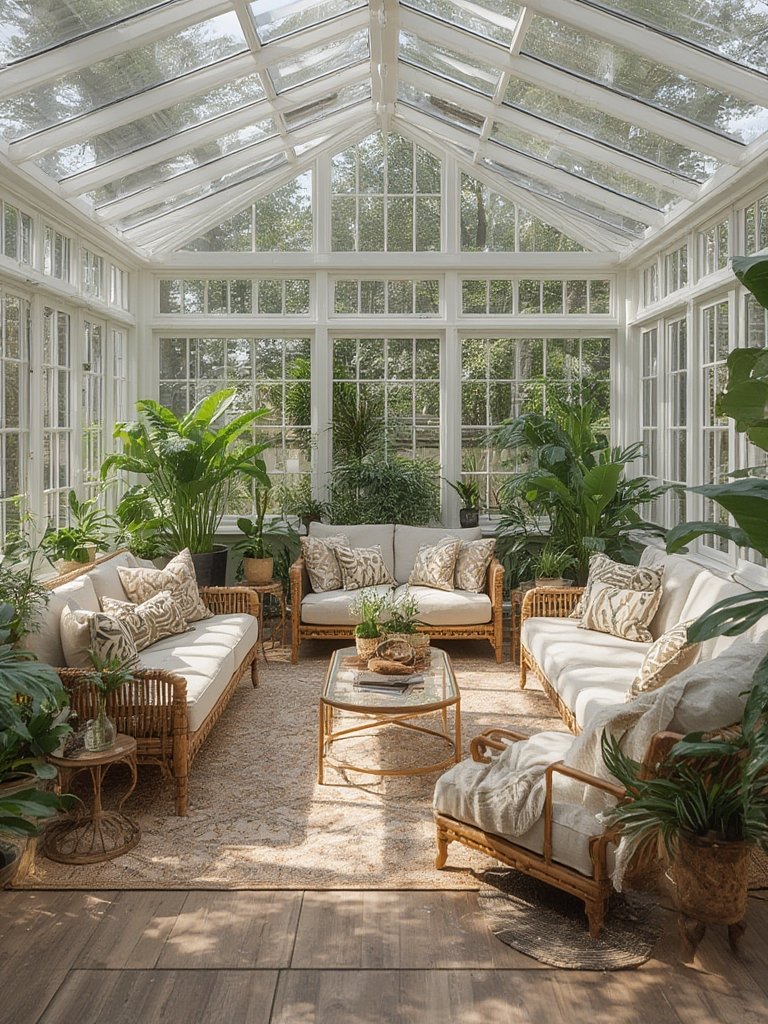
Well-chosen conservatory furniture delivers function, comfort, and lasting value—especially if you balance sustainability, style, and technical durability for your unique conditions. As the trend for “outdoor living” keeps growing, upgrading your conservatory boosts both quality of life and property appeal. Ready to start? For further inspiration on planning a stylish space and getting more flexible with your layouts, don’t miss our modular furniture advice for small rooms, or our guide to eco-luxe wood trends. Take the first step in refreshing your conservatory furniture with confidence today.
FAQ
What is the most durable material for conservatory furniture?
For long-term durability, powder-coated metals, resin-woven rattan, and treated hardwoods perform best in conservatories. Look for UV and moisture resistance in both frames and cushions.
Can I use regular outdoor furniture in my conservatory?
Outdoor furniture can work, but check that the sizing, comfort, and style suit indoor use. Not all outdoor fabrics look or feel right inside, and very bulky items may crowd the space.
How can I protect my conservatory furniture from sun damage?
Use UV-resistant upholstery, install sheer blinds for midday protection, and rotate furniture seasonally. Removable covers that can be swapped or replaced help avoid irreversible fading.
Should conservatory furniture be plant-friendly?
Yes, opt for finishes and textiles that don’t off-gas chemicals, and that are easy to clean if you have a lot of plants. Smooth frames and simple, wipeable surfaces prevent staining and pest buildup.
Where can I find affordable, high-quality conservatory sofas?
Look for brands with a reputation for garden or conservatory furniture, and research models reviewed for both comfort and durability. Comparing offers using guides on sofas under £200 or comparing furniture stores can help stretch your budget without sacrificing quality.