

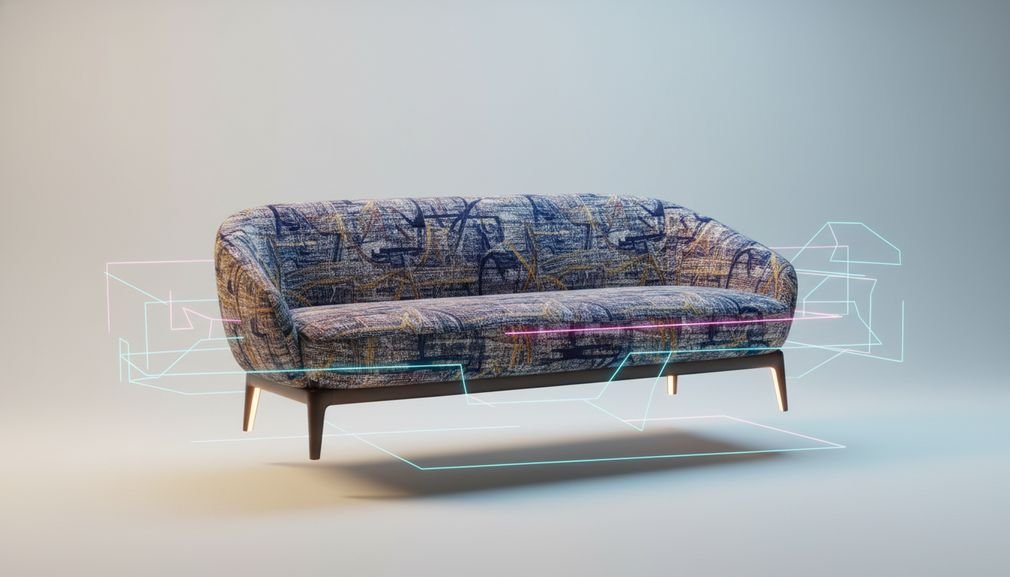
The journey to perfect custom furniture online design begins with confidence, not confusion. You have a precise vision for your space—a sofa with the exact depth, a wardrobe that fits a difficult alcove—but the fear of getting it wrong online is real. What if the colors don’t match? What if the measurements are off? This guide demystifies the process, showing you how modern digital tools put you in the designer’s seat and ensure the piece you create on screen is the piece that arrives at your door.
Key Takeaways
- Online furniture configurators are powerful 3D tools that let you design and visualize custom pieces in real time, dramatically increasing accuracy and reducing the risk of returns.
- While custom furniture involves higher costs and longer lead times (up 41%), the ability to specify exact dimensions, materials, and features solves common frustrations with mass produced items.
- To ensure success, prioritize configurators with features like Augmented Reality (AR) previews, order material swatches, and always double check your space measurements before finalizing your design.
- The Future is Yours: Why Custom Furniture Online is Booming
- Unlock Your Creativity: How a Furniture Configurator Works (And Why it’s a Game-Changer)
- Beyond the Basics: Designing Specific Pieces (Sofas, Wardrobes & More)
- Addressing the Elephant in the Room: Cost, Lead Time, and Accuracy
- What Makes a Great Configurator? Features That Drive Satisfaction
- From Screen to Sanctuary: Ensuring Your Custom Piece is Perfect
- Conclusion: Your Vision, Realized
- Frequently Asked Questions
The Future is Yours: Why Custom Furniture Online is Booming
The days of compromising on generic, off the shelf furniture are fading. Today’s homeowners crave personalization, seeking pieces that reflect their unique style and fit their spaces perfectly. This shift in consumer demand is fueling a massive market expansion. The global customized furniture market was valued at an impressive USD 36.2 billion in 2024 and is projected to grow at a compound annual growth rate of 11.2% over the next decade, according to Market.us research. This explosive growth isn’t just about choosing a different color; it’s about a fundamental change in how we approach interior design. The custom furniture online design process empowers you to move beyond the limitations of retail showrooms and create something that is truly your own, solving practical problems like awkward room dimensions or the need for specific storage solutions.
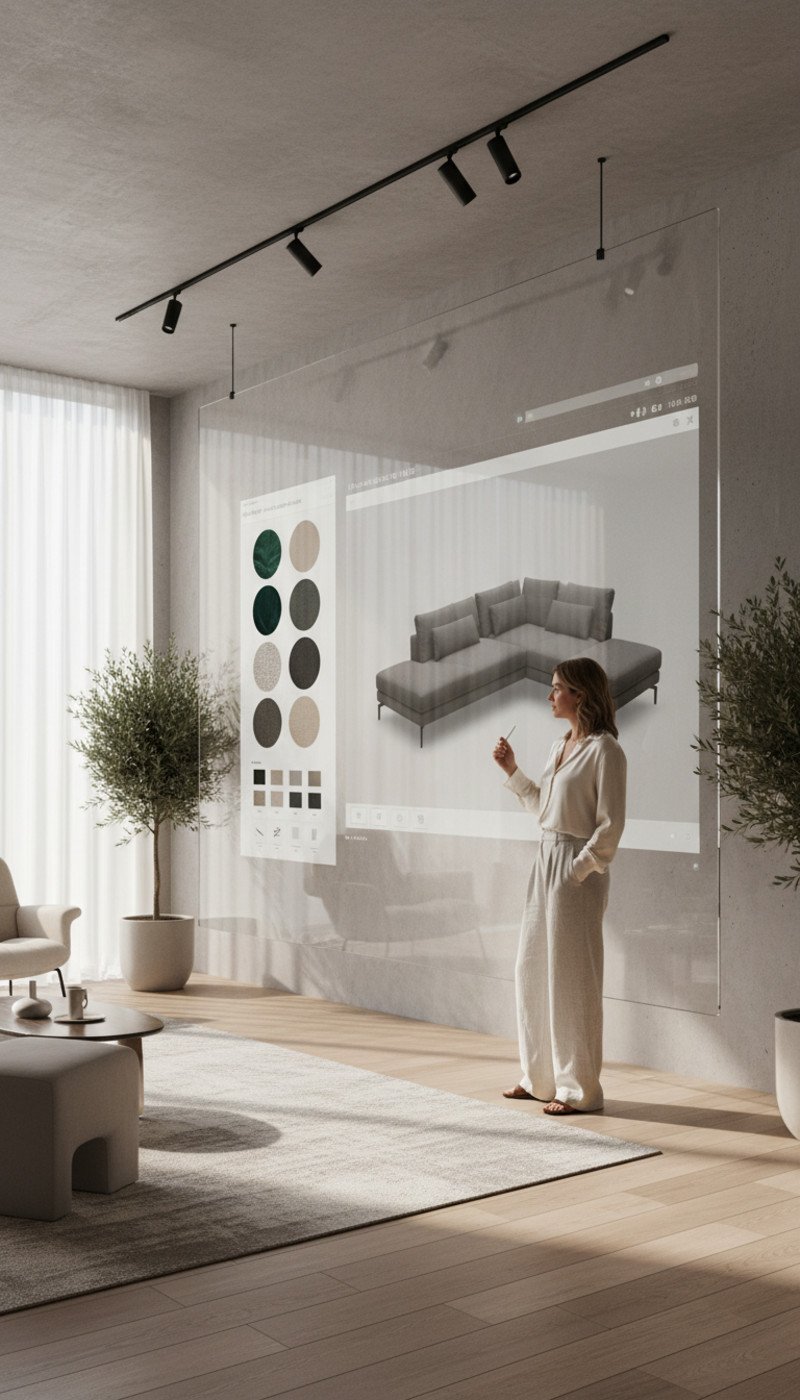
This trend is powered by technology that bridges the gap between imagination and reality. Advanced software and manufacturing processes now make it possible to order bespoke furniture with a level of detail and accuracy previously reserved for high end interior designers. You are no longer just a consumer; you are a co-creator, directly involved in the design of the items that will define your home’s character and functionality for years to come.
Unlock Your Creativity: How a Furniture Configurator Works (And Why it’s a Game-Changer)
At the heart of the custom furniture revolution is the furniture configurator tool. Think of it as a sophisticated, interactive digital showroom. Instead of passively browsing static images, you actively build and modify a product in a 3D environment. A 3D furniture builder allows you to change dimensions, swap materials, select finishes, add or remove components, and see the results instantly from every angle. You can rotate the item, zoom in on details like wood grain or fabric texture, and watch the price update in real time as you make changes. This transparency removes the guesswork and anxiety often associated with custom orders.
For businesses, these tools are transformative. Research shows that implementing 3D configurators can lead to a 40% increase in customer engagement and a 22% rise in conversion rates compared to traditional online shopping experiences. Why? Because they put the user in control. When you can see exactly how your choices affect the final product, your confidence to purchase skyrockets. This interactive process turns a simple transaction into a creative, engaging experience, fostering a stronger connection to the final piece.
The core function is to provide a “what you see is what you get” experience. By rendering a photorealistic model of your creation, a high quality configurator minimizes the risk of surprises. It answers critical questions instantly: How will those legs look with that tabletop? Does this fabric clash with that wood finish? Will this handle style match my other hardware? This level of visual confirmation is simply not possible with static photos and written descriptions.
Beyond the Basics: Designing Specific Pieces (Sofas, Wardrobes & More)
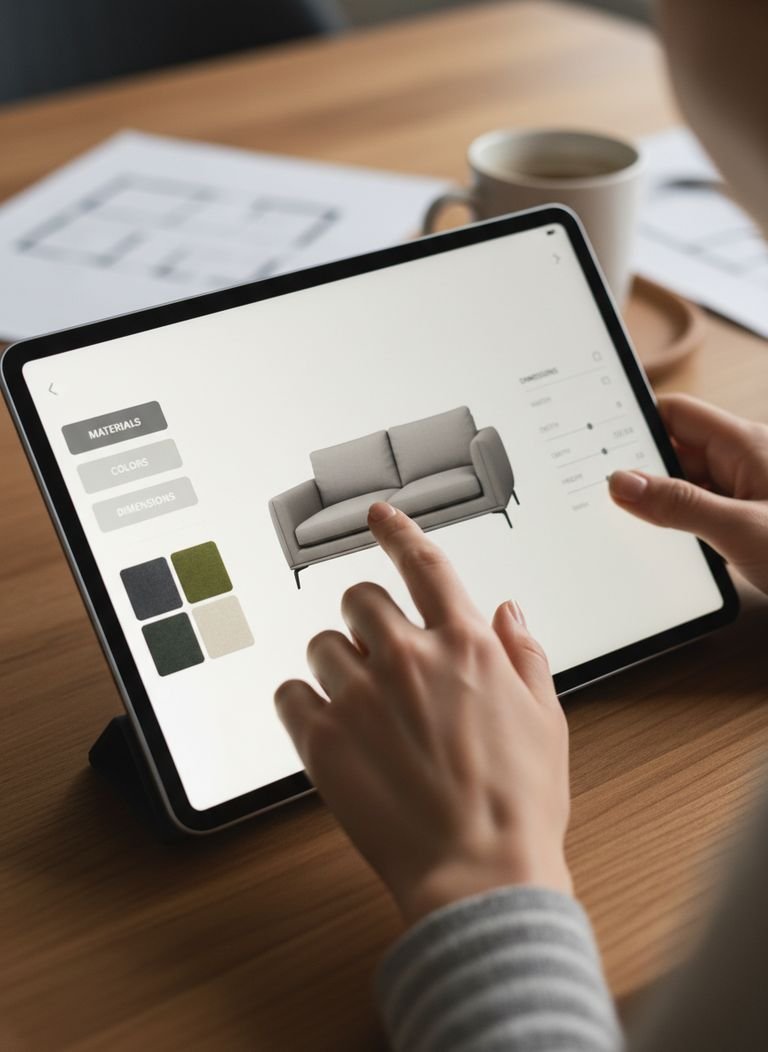
The power of online configurators truly shines when applied to complex, high consideration pieces like sofas and wardrobes. These items must meet strict functional and aesthetic requirements, making them ideal candidates for customization. The ability to design your own sofa, for instance, goes far beyond picking a fabric. You can specify the overall width to the inch, choose the seat depth for optimal comfort, select armrest style, and even determine cushion firmness. This is a game changer for creating a curved sofa living room layout or finding a piece that perfectly fits a small or unusually shaped space.
Similarly, a custom wardrobe planner solves one of the most common bedroom storage challenges. Instead of trying to make a standard wardrobe fit, you can design one that uses every inch of available space, from floor to ceiling. You can map out interior layouts with the perfect mix of hanging rails, shelving, and drawers to match your specific wardrobe needs. This approach is central to creating efficient modular bedroom furniture systems that adapt to your life. The demand for such tailored solutions is clear, with data showing that 62% of consumers prefer personalized designs, which has contributed to a 38% rise in online configurable purchases.
This level of personalization extends to nearly every furniture category:
- Dining Tables: Specify exact length and width, choose leg styles, and select durable tabletop materials like solid walnut or quartzite.
- Bookshelves: Design shelving units with custom heights, depths, and compartment configurations to house your specific collection. For more ideas on beautiful wood options, consider exploring walnut living room furniture.
- Media Consoles: Create units with precise cutouts for cables and ventilation, and compartments sized for your specific audio visual equipment. You can even integrate features found in smart furniture with charging ports.
- Fitted Storage: Move beyond standalone pieces with tools that help you plan entire walls of fitted bedroom furniture, ensuring a seamless, built in look.
Addressing the Elephant in the Room: Cost, Lead Time, and Accuracy
Let’s be direct about the three biggest concerns with any custom furniture online design order: Is it worth the extra cost? How long will I have to wait? And will it actually look like the picture? These are valid questions that can make anyone hesitant.
Cost: Custom furniture is a premium product. You are paying for personalized design, specific materials, and non-standard manufacturing. Input costs for materials and skilled labor have risen, so you should expect to pay more than you would for a comparable mass produced item. However, the value lies in getting a perfect fit and a unique piece you’ll keep for much longer, potentially saving money over time by avoiding the “good enough for now” cycle of replacement.
Lead Time: This is a significant drawback. Your piece is being made to order, which means it doesn’t exist until you click “buy”. Supply chain issues and the demand for skilled carpenters have pushed lead times up by an average of 41%. If you need furniture quickly, custom is not the right path. Patience is a prerequisite, and you should plan for a multi week or even multi month wait from order to delivery.
Accuracy: This is where modern configurators provide the most significant benefit. The fear that the final product won’t match the digital render is the biggest hurdle for many buyers. However, the technology is designed to solve this exact problem. In fact, studies show that 3D configurators can reduce returns related to size, color, or fit issues by a staggering 56%. By providing a highly detailed and interactive preview, these tools set realistic expectations and drastically minimize the chance of disappointment.
| Concern | Traditional Online Shopping | Using a 3D Configurator |
|---|---|---|
| Visual Accuracy | Relies on static, often enhanced photos. High risk of color/texture mismatch. | Provides interactive 3D model. What you see is a close representation of what you get. |
| Fit & Sizing | Limited to standard dimensions. Risk of the piece being too large or small for the space. | Allows for precise, to the inch dimensions, ensuring a perfect fit for any room. |
| Cost Transparency | Price is fixed. Customization is often not an option or requires a manual quote. | Dynamic pricing updates in real time as you add or change features. |
| Lead Time | Generally faster, as items are often in stock. | Significantly longer, as each piece is made to order. |
What Makes a Great Configurator? Features That Drive Satisfaction
Not all configurators are created equal. As you explore different brands, pay close attention to the features of their furniture configurator tool. A high quality tool will feel intuitive, responsive, and, most importantly, will give you confidence in your design choices. Look for these key features to ensure a smooth and satisfying experience:
Essential Features for a Top Tier 3D Furniture Builder:
- Real Time, High Fidelity Rendering: The 3D model should be sharp, detailed, and update instantly as you make changes. You should be able to see realistic textures, shadows, and material finishes.
- Dynamic Pricing: The total cost should adjust automatically with every modification. This transparency is crucial for staying within budget and understanding the cost implications of different materials or features.
- Augmented Reality (AR) Preview: This is a cutting edge feature that allows you to use your smartphone’s camera to place a virtual, true to scale model of your designed furniture directly in your room. AR is a powerful tool for verifying size, scale, and style in your actual environment. It is an emerging trend that is rapidly becoming a consumer expectation.
- Dimension Constraints and Validation: A smart configurator will provide feedback. It should alert you if a dimension you’ve entered is structurally unsound or impractical, preventing you from designing something that can’t be built.
- Save and Share Functionality: You should be able to save multiple designs to compare later or share a link with a partner or designer for a second opinion.
- Comprehensive Material Library: The tool should offer a wide range of materials and finishes, with clear, close up views of each one. The best tools link these virtual swatches to a physical swatch ordering service.
The goal of these features is to remove ambiguity. The more information and visual feedback the tool provides, the more likely you are to be delighted with the final product. A tool with these capabilities is not just a sales gimmick; it is a critical part of the manufacturing process that ensures your vision is accurately translated into a physical object.
From Screen to Sanctuary: Ensuring Your Custom Piece is Perfect
The 3D configurator is a powerful ally, but the final responsibility for a successful custom furniture online design project rests with you. The tool can only work with the information you provide. To bridge the final gap between the digital render and the physical product in your home, follow these essential best practices:
- Measure, Measure, and Measure Again: This is the most critical step. Measure the space where the furniture will go. Then, measure it again. Note the locations of outlets, light switches, windows, and doorways. Measure the height, width, and diagonal clearance of all entryways, hallways, and stairs the furniture must pass through to reach its final destination. Your piece may fit the room, but it’s useless if it can’t get there.
- Order Physical Swatches: A computer screen can never perfectly replicate the color and texture of a real world material. Lighting conditions, screen calibration, and render quality all affect perception. Always order physical samples of the wood finishes, fabrics, and metals you are considering. Place them in the room where the furniture will live and observe them at different times of day to see how the light affects their appearance.
- Understand Material Characteristics: Read the fine print about the materials you choose. Natural wood will have variations in grain and color. Some fabrics are more durable but less soft. Performance velvets may have a different sheen than natural cottons. Understanding these inherent qualities manages expectations and prevents disappointment.
- Print Your Final Design: Before you click purchase, save or print a detailed summary of your final configuration, including all dimensions, materials, and selected features. This document is your record and can be invaluable if there are any discrepancies upon delivery.
- Clarify Return and Warranty Policies: Custom, made to order furniture is often non-returnable unless there is a manufacturing defect or damage in transit. Be absolutely clear on the company’s policy before you place your order. Check the warranty details for the frame, upholstery, and mechanisms.
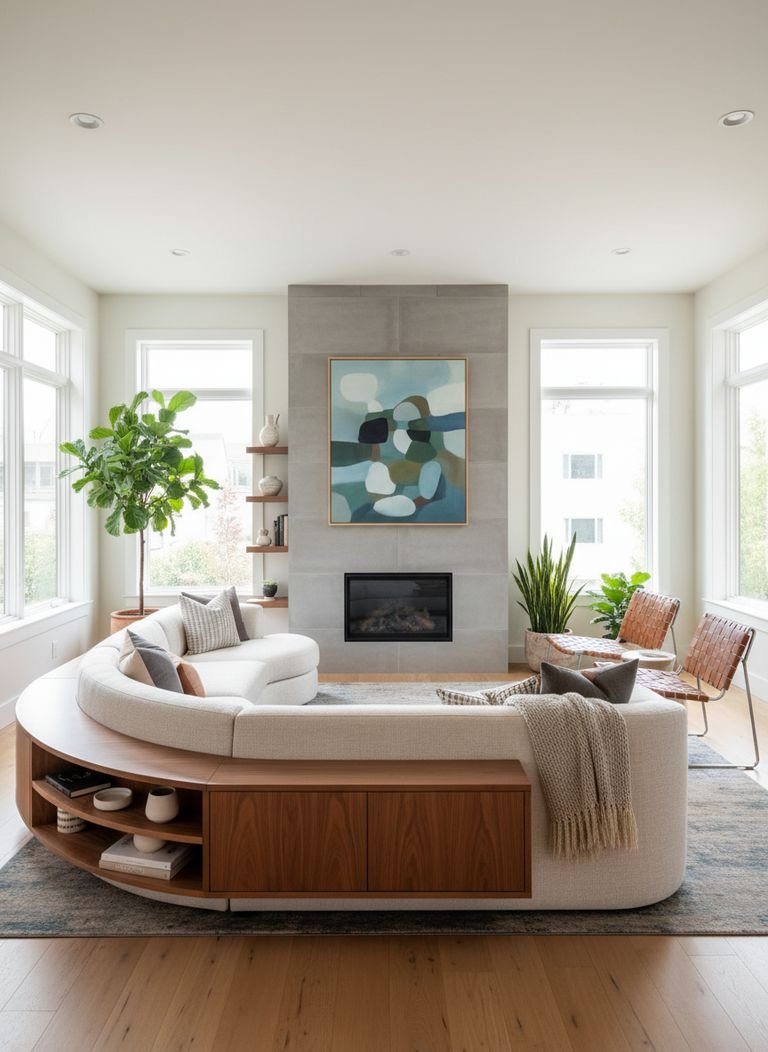
By taking these deliberate, practical steps, you actively participate in quality control. You are not just a passive buyer but an informed project manager for your own home, using the technology as a tool to execute a well planned vision.
Conclusion: Your Vision, Realized
Embracing custom furniture no longer requires a leap of faith. The evolution of sophisticated online design tools has transformed a once opaque and risky process into an interactive and empowering creative experience. By understanding how these configurators work, being aware of the realistic trade offs in cost and time, and taking a few practical steps to ensure accuracy, you can confidently design pieces that are a true reflection of your style and a perfect solution for your space.
The power to create a home that is uniquely yours is now more accessible than ever. The key is to leverage the technology while applying timeless due diligence. By combining the precision of a 3D builder with real world checks like material swatches and careful measurements, you can master the art of custom furniture online design. Take control, start creating, and bring your unique vision to life.
Frequently Asked Questions
Is custom furniture more expensive than store bought furniture?
Yes, typically. Custom furniture carries a premium because it is made to order to your exact specifications, often using higher quality materials and requiring more skilled labor compared to mass produced items. While the upfront cost is higher, the value comes from getting a piece that perfectly fits your space and needs, potentially offering better long term durability and satisfaction.
How accurate are the colors and textures in an online furniture configurator?
High quality configurators provide very realistic renders, but digital representations can never be 100% accurate due to variations in screen calibration and lighting. This is why it is absolutely essential to order physical material swatches before finalizing your purchase to see the true color and feel the texture in your own home’s lighting.
What is the average lead time for custom designed furniture?
Lead times are significantly longer for custom pieces. While it varies by manufacturer and complexity, it’s common to see wait times ranging from 6 to 16 weeks or more. Industry data shows lead times have increased by about 41%, so patience is a key requirement for any custom order.
Can I return a custom piece of furniture if I don’t like it?
Generally, no. Because the item was made specifically for you, most companies do not accept returns on custom furniture unless it arrives damaged or there is a clear manufacturing defect. It is critical to review the return and warranty policy carefully before placing your order and to be 100% certain of your design choices.
What is the most important feature to look for in a 3D furniture builder?
While many features are valuable, an Augmented Reality (AR) preview function is one of the most impactful. The ability to use your phone to place a true to scale virtual model of your creation in your actual room is the best way to confirm that the size, proportions, and style will work before you commit to the purchase.