

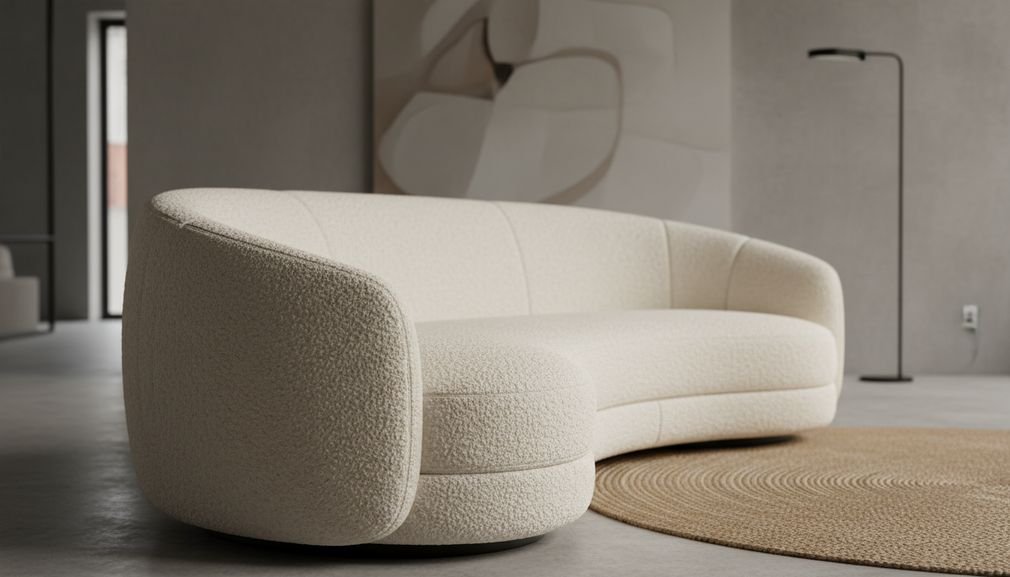
Choosing a curved sofa living room centerpiece is one of the most impactful design decisions you can make, instantly transforming a boxy space into one with softness and flow. But moving beyond traditional straight-lined sofas requires a new way of thinking about layout, scale, and function. This guide provides a practical roadmap to help you select, style, and integrate the perfect curved sofa with confidence.
Key Takeaways
- Curved sofas are not just a trend; their market is growing steadily, indicating a shift towards softer, more organic interior design.
- Practical planning is essential. You must measure your space carefully, considering not just the sofa’s footprint but also the traffic flow and complementary furniture around its unique shape.
- Price and quality are directly linked. Expect to invest between $2,100 and $5,800 for mid-tier to luxury models, with costs reflecting frame materials, upholstery, and customization options.
Table of Contents
- Embracing the Organic Flow: Why Curved Sofas Are Trending
- Curved Sofa vs. Curved Sectional: Defining Your Living Room’s Centerpiece
- Sizing Up Your Curves: Dimensions and Space Planning
- The Investment in Style: What to Expect for Curved Sofa Pricing
- Crafting Your Curved Comfort: Materials and Customization
- Integrating Curves: Overcoming Design Challenges for a Seamless Look
- Beyond the Trend: Considering Long Term Value and Timeless Appeal
- Final Thoughts on Curved Sofas
- Frequently Asked Questions
Embracing the Organic Flow: Why Curved Sofas Are Trending
The modern living room is evolving. Gone are the days when rigid, straight lines dominated every space. Today, homeowners are drawn to furniture that fosters connection and visual softness. The curved furniture trend, particularly the rise of organic shape furniture, speaks directly to this desire. A curved sofa breaks up the monotony of a rectangular room, creating an inviting and dynamic focal point that encourages conversation and a more natural flow of movement.
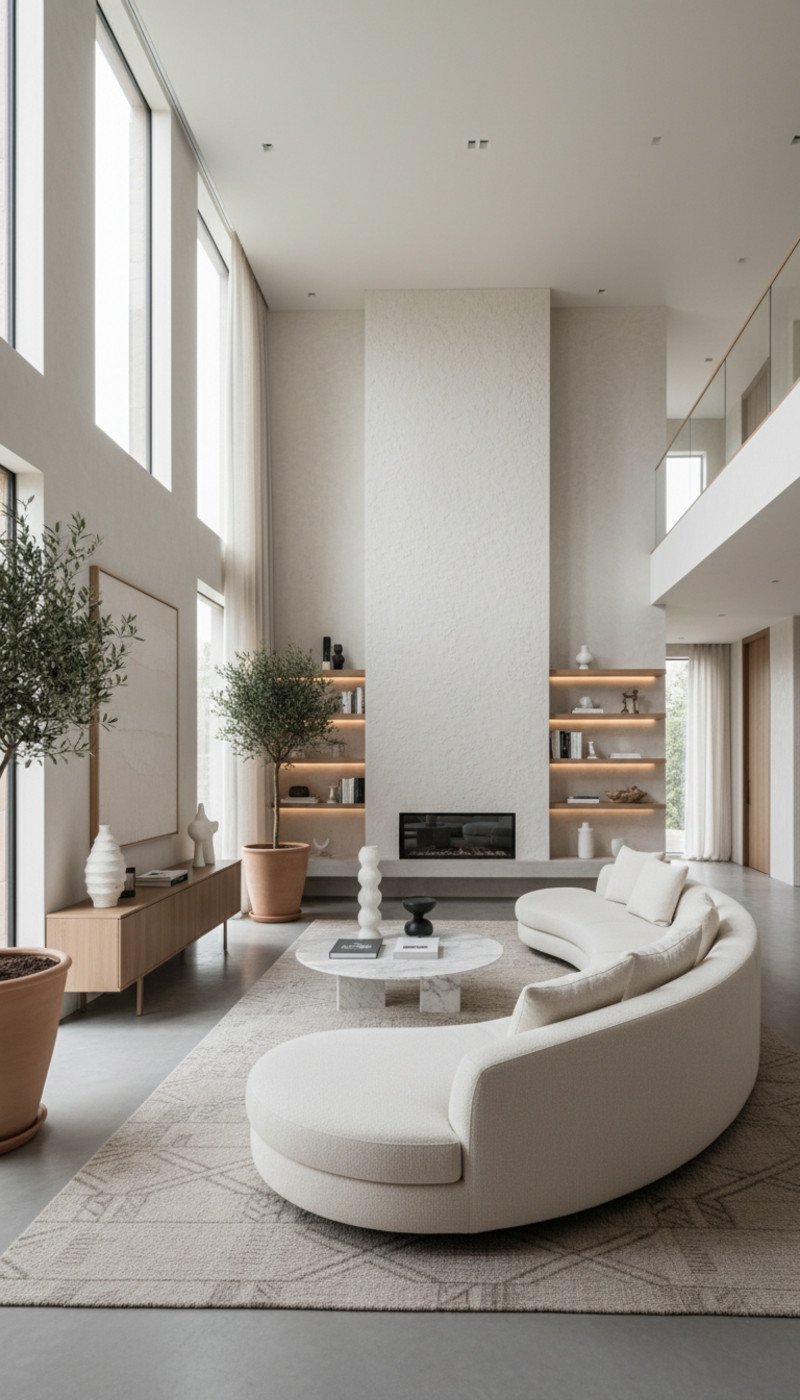
This isn’t just an aesthetic preference; it’s backed by market data. The global round sofas market is projected to grow at a Compound Annual Growth Rate (CAGR) of 8.00% between 2019 and 2030, with current year on year growth at 5.00%, according to HTF Market Intelligence (source). This outpaces the general sofa market’s expected growth, signaling a significant and lasting shift in consumer taste toward these elegant, rounded forms.
Curved Sofa vs. Curved Sectional: Defining Your Living Room’s Centerpiece
Before you fall in love with a specific design, it’s crucial to understand the two primary forms a curved sofa can take: a standalone sofa or a multi piece sectional. Your choice will dramatically impact your room’s layout, seating capacity, and overall feel. A curved sectional sofa offers expansive seating and makes a grand statement, while a smaller curved sofa can serve as a sculptural accent piece.
| Feature | Curved Sofa | Curved Sectional Sofa |
|---|---|---|
| Best For | Medium to large rooms where it can float away from walls; creating an intimate conversation area. | Large, open concept living rooms; defining a specific zone; maximizing seating for families or entertaining. |
| Seating Capacity | Typically seats 3 to 4 people comfortably. | Can seat 5 or more, depending on the number of pieces and overall length. |
| Layout Flexibility | Moderate. Can be positioned against a wall (with some awkward space behind) or floated in the center of a room. | High. As a modular sofa system, pieces can sometimes be reconfigured, though the curve limits options compared to straight sectionals. |
| Visual Impact | Acts as a sculptural, artistic focal point. Elegant and refined. | Creates a commanding, enveloping presence that anchors the entire room. |
Sizing Up Your Curves: Dimensions and Space Planning
The biggest mistake you can make is underestimating the footprint of a rounded couch. Its depth and arc require more clearance than a linear sofa of the same length. Before you shop, arm yourself with a tape measure and a clear understanding of your space.
How to Measure for a Curved Sofa
- Overall Length: Measure the widest point of the sofa from end to end. A standard curved sofa might be around 94 inches, while a curved sectional sofa can easily reach 125 inches or more.
- Maximum Depth: Measure from the back of the sofa’s deepest curve to the very front of the seat cushion. A typical depth is around 43 inches, which is significantly deeper than many traditional sofas.
- Seat Depth: Measure from the front edge of the seat to the front of the back cushion. Look for a depth of around 23 inches for comfortable lounging.
- Map It Out: Use painter’s tape on your floor to outline the sofa’s length and depth. This simple trick helps you visualize its scale and ensure you have at least 30 to 36 inches of clear traffic paths around it.
For example, data from various retailers shows a Crate & Barrel Martina sofa measures 94 inches long and 43 inches deep, while a Wayfair Brayden Studio sectional spans 125 inches (source). Knowing these real world numbers helps you compare models and plan your layout effectively.
The Investment in Style: What to Expect for Curved Sofa Pricing
A curved sofa is an investment piece, and its price reflects the complexity of its construction and the quality of materials used. Unlike mass produced straight sofas, the engineering required to create a stable, comfortable curve often demands more skilled labor and robust materials. The overall sofa market is substantial, valued at USD 236.39 billion in 2025, with North America holding a 31.7% share (source), and premium pieces like curved sofas represent a growing segment.
Here’s a general breakdown of what to expect in 2024:
- Mid-Tier ($2,100 – $3,500): In this range, you can find well made pieces from major retailers. For example, the Crate & Barrel Martina 94 inch sofa is priced at around $2,159. A larger Wayfair Brayden Studio 125 inch sectional falls into this category at approximately $2,839. You’ll typically find solid wood frames and durable, standard fabric options.
- Luxury ($3,500 – $6,000+): At the higher end, you’ll see premium materials, designer names, and extensive customization. The Eternity Modern Savelle sofa, for instance, costs around $5,779. This price point often includes features like hand-tied springs, down-filled cushions, and high end upholstery like boucle or sheepskin.
When budgeting for your rounded couch, consider the long term value. A higher initial investment in a well constructed frame and quality fabric will pay dividends in comfort and durability for years to come.
Materials and Customization
The beauty of the curved furniture trend is its blend of form and function. The materials and customization options you choose will define both the look and the longevity of your sofa. Pay close attention to the frame, as it’s the foundation of the entire piece. Many high quality models, like the Crate & Barrel Martina, feature a solid walnut base, a material known for its strength and rich grain. Exploring other walnut living room furniture can help create a cohesive, high end look.
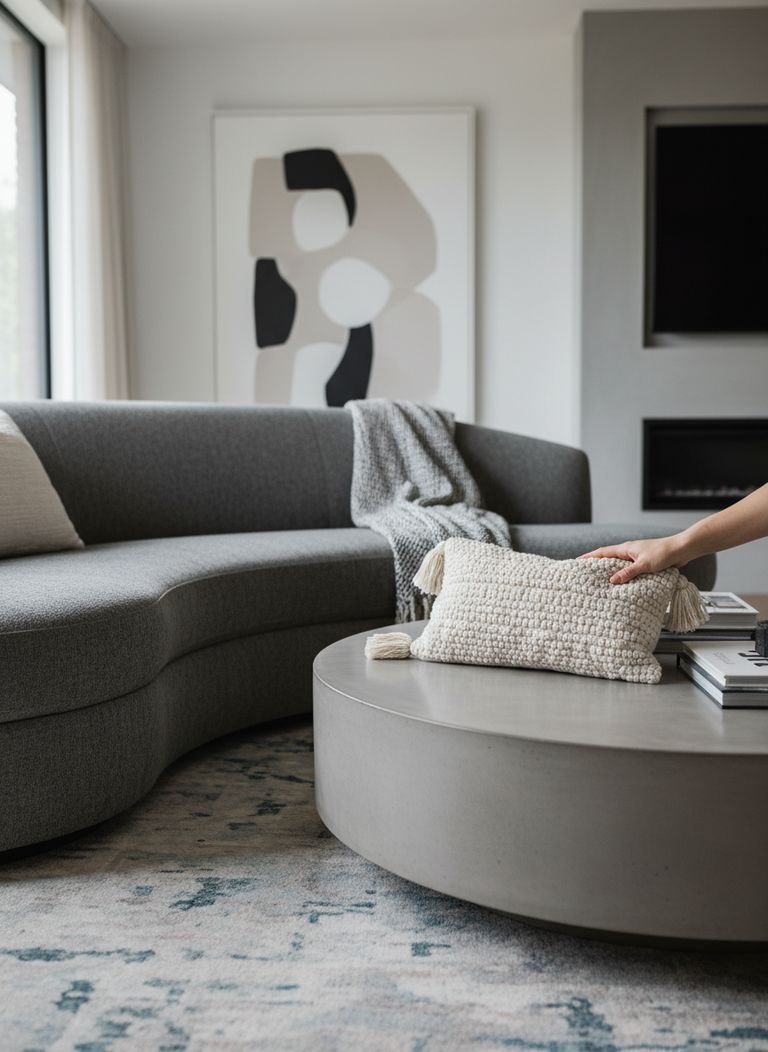
Beyond the frame, customization allows you to tailor the sofa to your exact aesthetic. Luxury brands like Eternity Modern offer extensive options for their Savelle sofa, including:
- Fabric Choices: You can often select from a curated palette of materials. Popular options for organic shape furniture include tactile fabrics like boucle and sheepskin, which enhance the soft, rounded silhouette. These are frequently offered in a range of neutral hues to ensure timeless appeal.
- Cushion Firmness: Some manufacturers allow you to specify your preferred cushion density. Whether you prefer a firm, supportive seat or a soft, sink in feel, this level of personalization ensures your sofa is as comfortable as it is beautiful.
Integrating Curves: Overcoming Design Challenges for a Seamless Look
While research shows a lack of widespread negative user reviews about curved sofas, their unique shape does present design puzzles that are best solved with proactive planning. Integrating a curved sofa living room design requires a different approach than a standard rectangular setup. Here’s how to address common challenges for a cohesive and functional space.
Challenge 1: The Coffee Table Conundrum
A square or rectangular coffee table creates awkward, unusable space and disrupts the sofa’s flow.
- Solution: Opt for a round or oval coffee table. This mirrors the sofa’s curves and creates a harmonious relationship between the two pieces. Alternatively, a cluster of small, round nesting tables offers flexibility and visual interest. Consider using mirrored living room furniture for your side tables to add a touch of glam and make the space feel larger.
Challenge 2: Rug Placement
A standard rectangular rug can look disjointed, with its corners jutting out awkwardly.
- Solution: Choose a large rectangular rug that is big enough for the entire sofa to sit on it, creating a unified zone. For a more sophisticated look, a round rug or an organically shaped hide rug can follow the curve of the sofa, reinforcing the room’s design concept.
Challenge 3: Maintaining Traffic Flow
The deep arc of a curved sofa can encroach on walkways if not placed correctly.
- Solution: Float the sofa away from the walls. This creates intentional pathways behind and around the sofa, making the room feel more open. This placement also showcases the sofa’s beautiful silhouette from all angles. If you must place it near a wall, use the space behind it for a thin console table or tall plants. Creating an accent wall with living room wallpaper can also anchor the sofa visually.
Beyond the Trend: Considering Long Term Value and Timeless Appeal
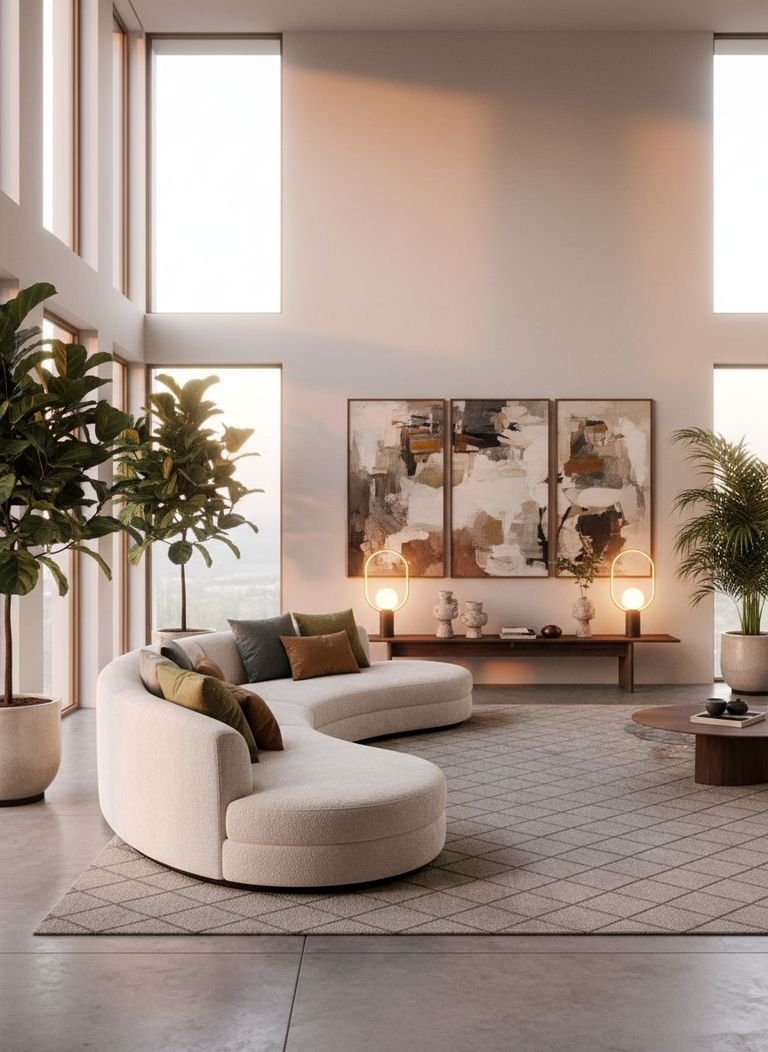
One of the biggest questions for any significant furniture purchase is about longevity: is this a fleeting trend or a timeless investment? While specific data on the resale value of curved sofas versus straight sofas is not available, we can analyze its design characteristics. The current curved furniture trend is rooted in a move toward more natural, human-centric design, which has enduring appeal.
To ensure your sofa feels current but not dated in a decade, focus on these elements:
- Classic Proportions: Avoid overly exaggerated curves or unusual shapes. A gentle, sweeping arc is more likely to remain classic than a dramatic C shape.
- High Quality Materials: A sofa upholstered in durable, natural fabrics like linen, wool, or high-quality leather, built on a solid hardwood frame, will always be in style. These materials age gracefully. The use of premium materials, as seen in the dark wood furniture trends, suggests a focus on quality and longevity.
- Neutral Palette: A sofa in a neutral color—such as ivory, beige, charcoal, or navy—provides a versatile foundation that can be updated over the years with different pillows, throws, and accessories.
Ultimately, a well-made piece of organic shape furniture transcends trends. Its focus on comfort, flow, and sculptural beauty gives it a timeless quality that will likely hold its value better than more niche, style-driven designs.
Final Thoughts on Curved Sofas
A curved sofa is more than just a place to sit; it is a statement piece that redefines the energy and layout of your living room. By breaking free from rigid lines, it introduces a sense of elegance, intimacy, and organic flow that is hard to achieve with conventional furniture. While it requires thoughtful planning around space, budget, and complementary decor, the result is a sophisticated and inviting environment.
By carefully considering the differences between a sofa and a sectional, measuring your space accurately, and investing in quality materials, you can confidently choose a curved sofa living room centerpiece that is both a reflection of current design trends and a timeless addition to your home. Ready to transform your space? Start by mapping out your floor plan and envisioning the beautiful possibilities of curves.
Frequently Asked Questions
Is a curved sofa good for a small living room?
It can be, but with caution. A small, gently curved loveseat can soften corners without overwhelming the space. However, a large curved sofa can be challenging in a small room as it requires significant clearance and can make the layout feel cramped. It’s often better suited for medium to large spaces where it can be floated away from the walls.
What style of coffee table works best with a curved sofa?
Round and oval coffee tables are the best choice. They complement the sofa’s arc and create a cohesive, flowing look. A cluster of small round tables can also work well, offering flexibility. Avoid square or rectangular tables, which create awkward negative space against the curve.
How do you place a rug under a curved sofa?
You have a few options. The easiest is to use a large rectangular rug that is big enough for the entire sofa and other seating to rest on it, defining the conversation area. For a more designer look, a round rug or an organically shaped rug (like a hide) can be centered with the sofa’s curve to enhance the design.
Are curved sofas just a passing trend?
While the popularity of curved sofas has surged recently, the design itself is not new and has roots in mid-century modernism. The current trend is part of a larger movement toward softer, more organic, and biophilic design, which has lasting appeal. By choosing a sofa with classic proportions and high-quality, neutral materials, you can ensure it remains a timeless piece.
Can you put a curved sofa against a straight wall?
Yes, you can, but it is not the ideal placement. Putting a curved sofa against a straight wall creates an awkward, empty gap behind it. This placement can also negate one of its best features: its beautiful, sculptural back. If you must place it against a wall, consider using the gap for a thin console table, floor lamps, or tall plants to make the space functional.