


### Blog Post:
AI-Driven Landscaping is quickly transforming how homeowners and professionals manage lawns, gardens, and outdoor spaces—offering real potential to cut water use and maintenance headaches.
Key Takeaways
- AI-driven landscaping and smart irrigation can realistically reduce water use by up to 25 percent, with leading-edge systems reaching even higher savings in energy and efficiency.
- Most technology and research focus on agriculture; for home users, initial cost, complexity, and technical learning curves can cause frustration when deploying AI-enabled gardening tools.
- Key information missing from many guides includes clear residential case studies, cost breakdowns, and user-centered setup advice—details this article covers.
- What Is AI-Driven Landscaping and Why Consider It?
- How to Implement AI-Driven Landscaping: Step-by-Step Guide
- Advanced Analysis & Common Pitfalls
- Conclusion
- Frequently Asked Questions
What Is AI-Driven Landscaping and Why Consider It?
AI-driven landscaping uses artificial intelligence and smart sensors to automate and optimize landscape management. This includes watering schedules tailored to soil moisture, plant type, and real-time weather—reducing waste and manual effort.
Unlike traditional timers, AI-powered systems learn your garden’s microclimate and continually adjust. The outcomes: lower water bills, improved plant health, and fewer surprises. In agriculture, such approaches have reduced irrigation by up to 25 percent, and precision controllers have achieved even greater results by 2025 projections.
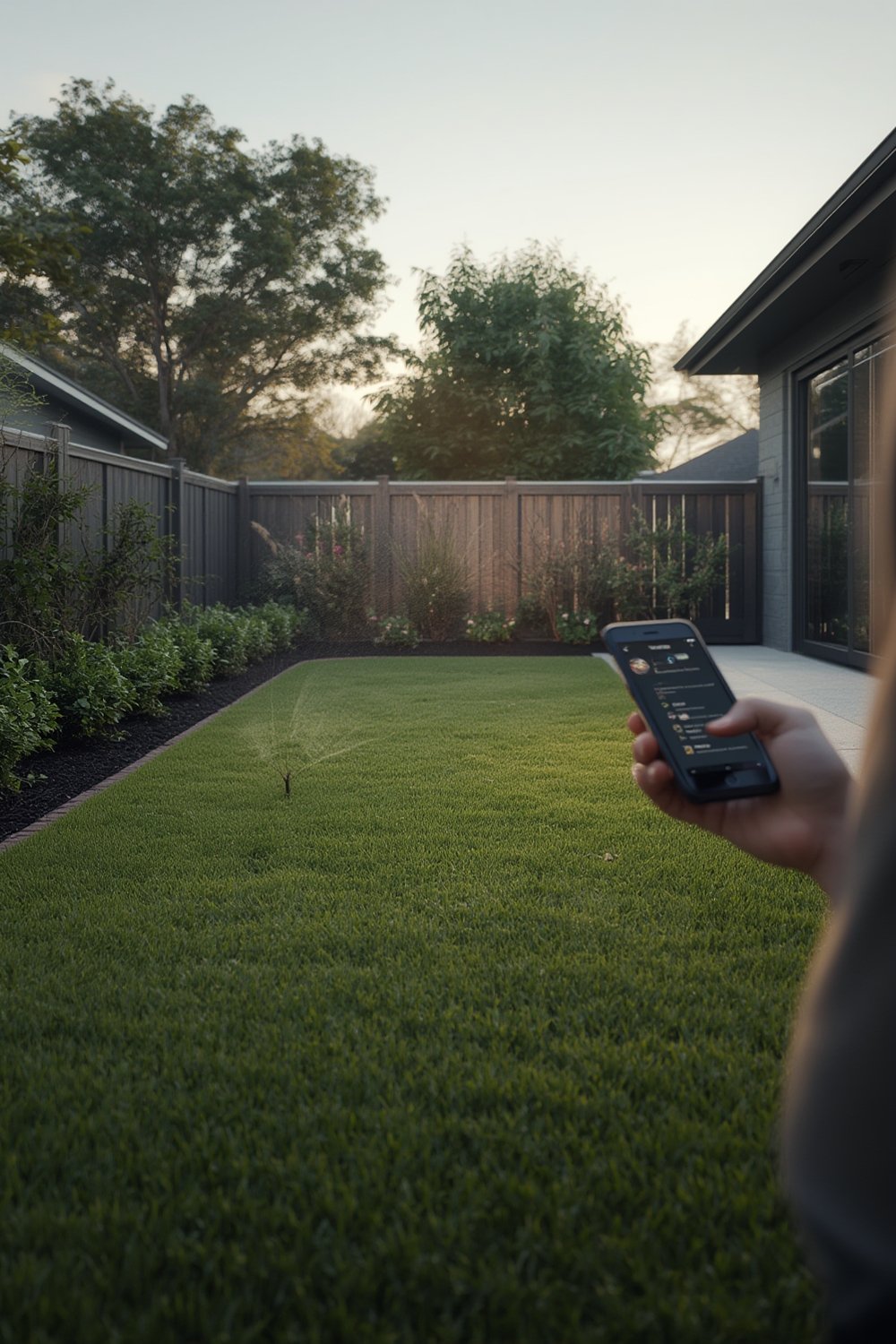
For homeowners, AI-driven landscaping offers the appeal of greener, healthier yards with less trial and error. Imagine a garden that waters itself only when truly needed, not wasting a drop—a technology now accessible to many who already use automatic mowers or smart home systems. For extra savings on utility bills, pairing these methods with WaterSense fixtures or integrating energy-efficient upgrades can multiply benefits across your property. Plus, with growing concerns about climate resilience and water restrictions, smart irrigation provides peace of mind and future-proofs your landscape investment.
How to Implement AI-Driven Landscaping: Step-by-Step Guide
Getting started doesn’t have to be overwhelming. Here’s a practical, realistic workflow to turn your regular yard into a smart landscape using AI-powered tools:
- Assess Your Yard’s Needs: Sketch your landscape zones. Note sunny/shady areas, slopes, and plant varieties. This evaluation also informs other updates like outdoor living upgrades or future planting.
- Choose a Smart Irrigation Controller: Research devices compatible with your home’s setup (wired, battery, WiFi range). Look for AI-enabled features—weather prediction, soil moisture data, adaptive scheduling. For tech integration tips, review guides on smart home installation.
- Install Soil Moisture Sensors: Place sensors at various depths and locations. Connect to your smart controller for real-time data collection.
- Set Up the App and Sync Devices: Download the manufacturer’s app. Create zones, input plant types, and connect to WiFi or home automation systems.
- Test Watering Cycles and Adjust: Use AI recommendations to set an initial schedule. Check soil before/after watering to confirm accuracy.
- Monitor, Refine, Maintain: Review reports; most apps will notify you about leaks, faults, or anomalies. Adjust as your plants grow or weather changes.
- Layer Solutions for Maximum Impact: Pair smart irrigation with mulch, drought-tolerant plants, or firescaping strategies to further optimize resources and landscape health.
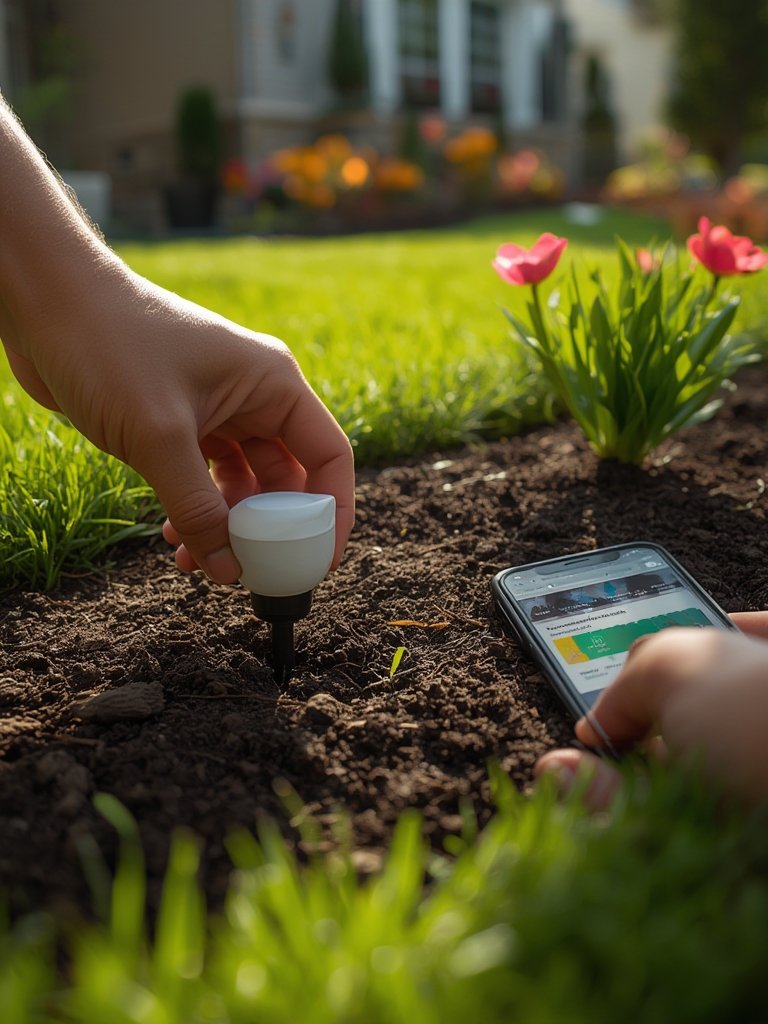
As you implement AI-driven landscaping, keep in mind there is no one-size-fits-all approach. The core value comes from beginning with a robust system and layering on data sources—weather, soil, historical usage—to fine-tune efficiency. To avoid overspending, request price breakdowns. Many platforms charge upfront for hardware, then a small monthly app fee. Features change rapidly—seek out updates before you invest. Also consider how this integrates with plans to add garden furniture for outdoor comfort or mesh with other home automation projects.
Advanced Analysis & Common Pitfalls
AI-driven landscaping offers clear advantages, but it’s not all plug-and-play. Here’s a look at the top user pain points, pitfalls, and the realities behind the glossy brochures.
User Pain Points
- High Initial Cost: Most AI controllers and sensors require a significant upfront investment, often without granular price transparency. In agriculture, price is a major concern; no reliable average for home users is published, but expect hardware ($150-$800+) and possible subscription fees.
- Technical Knowledge Required: Setup for most smart irrigation controllers and sensors is not truly “set and forget.” WiFi configuration, linking zones, and troubleshooting app issues may prove difficult for those less tech-savvy. Some systems require advanced setup akin to smart thermostat installation best practices.
- Lack of Residential Case Studies: Nearly all available research focuses on agricultural applications, not home landscapes. As a result, real-world evidence for city lots or private gardens is spottier.
- Privacy Concerns: Data from soil sensors and weather monitoring can be stored and processed offsite. While not specific to the home sector, privacy remains a consideration.
- Connectivity Issues: Soil moisture sensor WiFi models vary in reliability. Few independent benchmarks exist, and connectivity can drop outdoors, especially in large or oblong yards.
Missing Data: How Devices Compare
Currently, no comprehensive studies compare WiFi soil moisture sensor models for accuracy, battery life, or app connectivity. This makes selection challenging and often relies on anecdotal reviews rather than objective metrics. If you need help selecting complementary energy- and water-saving products, try our guide to WaterSense fixtures.
| Feature | Typical AI System (Agriculture) | Residential/Consumer-Grade (Estimate) |
|---|---|---|
| Water Savings | 20–72% | Up to 25% (projected), but real-world data lacking |
| Operational Cost Reduction | 20–30% OPEX savings | Unclear; hardware/subscription fees apply |
| Setup Complexity | High (requires expertise) | Medium (DIY possible, app-based) |
| App Features | Weather, soil, leak, crop models | Weather/soil data, scheduling, but fewer analytics |
| Battery Life | Varies; dependent on use/environment | No independent data available |
Case Studies: What Works, What’s Unproven
The best-documented examples, like the COALA project in Australia, show a 20 percent gain in irrigation efficiency for large-scale farms. Studies in India’s pea farming also confirm major water savings. Yet, similar published case studies are not yet available for home residential users.
If you’re seeking specific ways to boost sustainable landscape health—especially attracting pollinators or ensuring habitat—explore guidance in our keystone plantings resource.
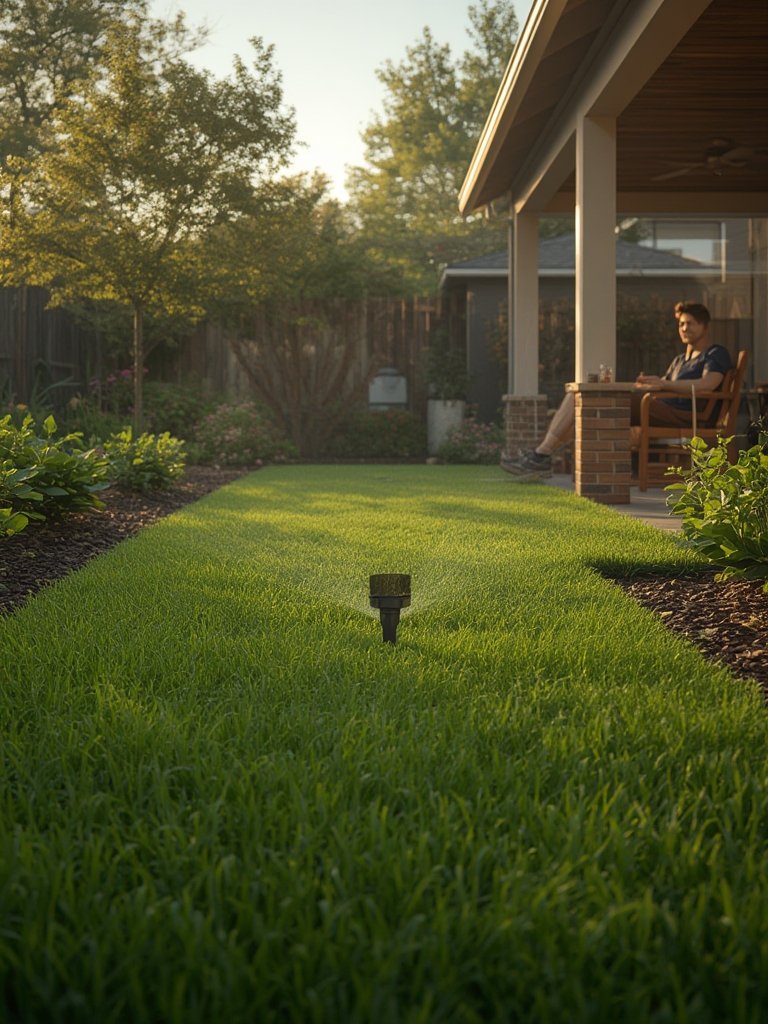
Finally, ensure you understand recurring or hidden costs. While agricultural operations report strong ongoing OPEX reduction, home users often face unadvertised software fees, replacement parts, and potential compatibility issues. Reviews show that persistent bugs with WiFi range and app stability also frustrate even tech-literate users—always test your system thoroughly.
Conclusion
While the research base is still evolving, AI-driven landscaping offers real and compelling possibilities—smarter watering, healthier gardens, and lower bills for most users. The AI-Driven Landscaping approach is not magic, but progress is rapid, and early adopters are already seeing measurable returns.
Ready to experience the benefits? Start with a small, targeted smart upgrade—test, tweak, and scale as you go. Consult trusted guides for related upgrades, or join a local landscape tech community to share results and tips.
Frequently Asked Questions
How much water can AI-driven landscaping really save in a typical home yard?
While precise residential figures are lacking, most systems report water savings of up to 25 percent over traditional irrigation. Advanced setups may save even more, especially when linked with weather and soil data.
What happens if my WiFi goes down or the app stops working?
Many smart controllers have manual override options, but ongoing schedules may be disrupted. To minimize headaches, test offline modes or choose models with backup controls before committing fully.
Are there subscription fees or hidden costs with these systems?
Many platforms charge a one-time device fee plus optional or required monthly fees for app services, cloud analytics, or advanced features. Read contracts carefully and ask providers to break down recurring or long-term expenses.
What if my soil moisture sensor gives inaccurate readings?
Try placing sensors at various depths or brands; WiFi range and battery issues often impact reliability. For sensitive landscapes, consider a hybrid schedule—combining sensor data with traditional expert advice.
Can I use AI-driven landscaping with other smart home or outdoor upgrades?
Yes! Many users integrate irrigation apps with smart blinds, water-saving fixtures, and outdoor living spaces for compounded benefits. See proven tips in our energy efficient windows guide or kitchen remodel ideas for cross-project planning.
—