

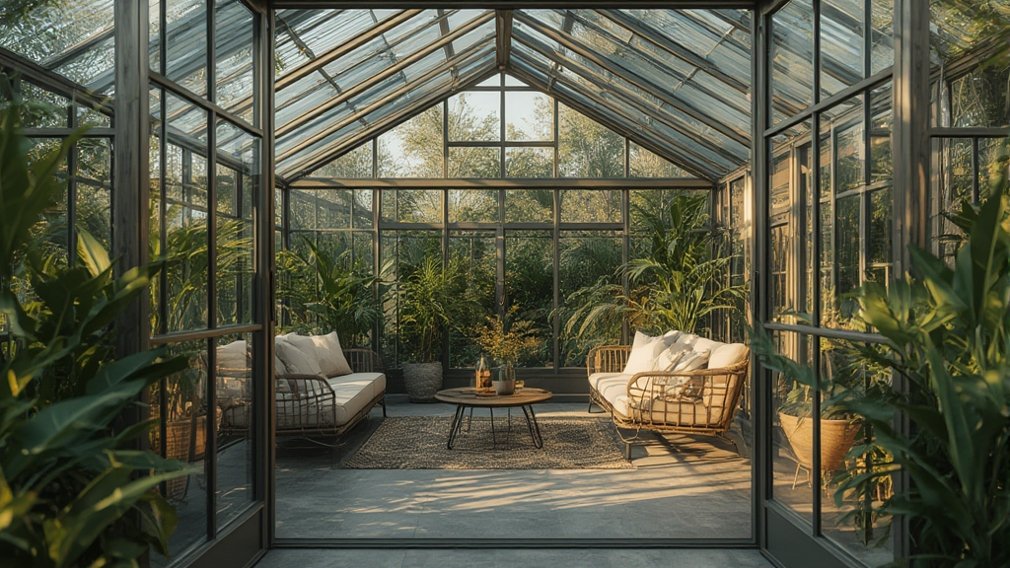
Greenhouse Decorating is more than just arranging potted plants—it’s a practical way to create a year-round indoor-outdoor retreat that blends gardening, relaxation, and style.
Key Takeaways
- Greenhouse decorating demands planning for climate, comfort, and furniture durability—expect unique challenges.
- Smart layout, material choice, and climate control systems are essential for blending plant health and human comfort.
- Insulation, energy-efficient upgrades, and intentional design can help transform greenhouses into true lounge spaces.
The Core Concept
Greenhouse decorating is the art and science of transforming an ordinary greenhouse into a year-round retreat that can function as a lounge, social space, or indoor garden. Why invest in this transformation? A decorated greenhouse delivers a dose of nature, light, and fresh air all year, blending biophilic design with functional comfort. With the right approach, it’s possible to cultivate lush plant life while also enjoying the space for reading, sipping coffee, or entertaining.
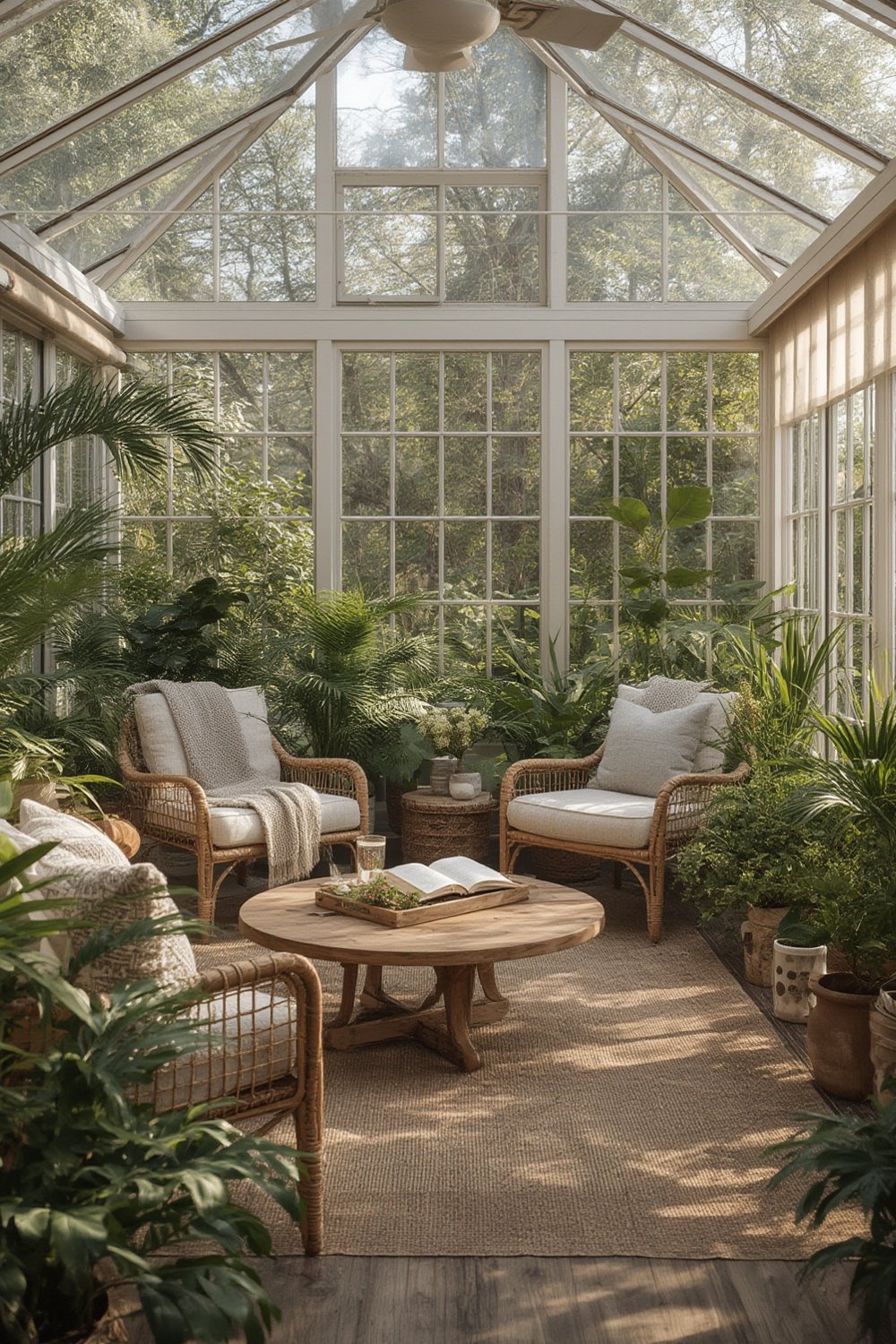
Homeowners are showing increased interest in biophilic design and nature-inspired interiors, with earthy greens like sage a dominant color trend in 2024 (source). While specific greenhouse statistics aren’t widely reported, the demand for indoor gardens and multi-purpose sunrooms is growing. Turning a simple glasshouse into a mixed-use space requires careful consideration of environmental factors (humidity, heat, sun levels), choice of durable furniture, and intentional decor for seamless indoor-outdoor living.
Seeking cohesion with the rest of your home? Check out Home Depot and At Home How to Shop Plan and Combine for Better Results for general home improvement insights.
Step-by-Step Guide
Ready to try greenhouse decorating? Here’s a realistic, no-nonsense approach—covering everything from prep and layout to insulation, lighting, and choosing practical furniture.
-
Inspect and Weatherproof.
Begin by thoroughly inspecting the greenhouse for leaks, gaps, or weak seals. Weatherproof critical areas with quality caulking, sealing tape, or thermal films. Consider adding external wall insulation or cladding if you want true year-round use (learn more). -
Flooring and Zoning.
Swap bare concrete or dirt for moisture-resistant flooring—porcelain tile or composite decking work well. Lay thick outdoor rugs or rubber floor mats under seating for warmth and comfort. Physically zone areas: allocate one side for lounge furniture, another for gardening tasks. -
Lighting and Power.
Layer natural light with solar-powered LED lamps, string bulbs, or a small smart modular lighting system (see installation tips). Use warm lighting in relaxation zones for evening ambiance, and full-spectrum grow lights for plants as needed. -
Furniture Selection.
Choose pieces tested for outdoor or conservatory use (aluminum, teak, or coated steel). Textiles should be fade-resistant, washable, and mildew-proof. Check that all furniture feet are rust-proof and stable on uneven flooring. -
Climate: Heating, Cooling, and Ventilation.
Balance plant and human needs by installing smart blinds (to control sunlight) and modular climate units (portable heaters, energy-efficient fans, or even a mini split system). Learn more about smart window blinds for energy savings. -
Layer with Plants.
Use tiered planter boxes along walkways and corners to maximize greenery without crowding furniture. For edible harvests, try compact growing systems—for ideas see our guide to tabletop veg. -
Add Personality and Storage.
Use wall hooks, modular shelving, or waterproof entryway cabinets (entryway cabinet trends) to store garden tools, throws, or books.
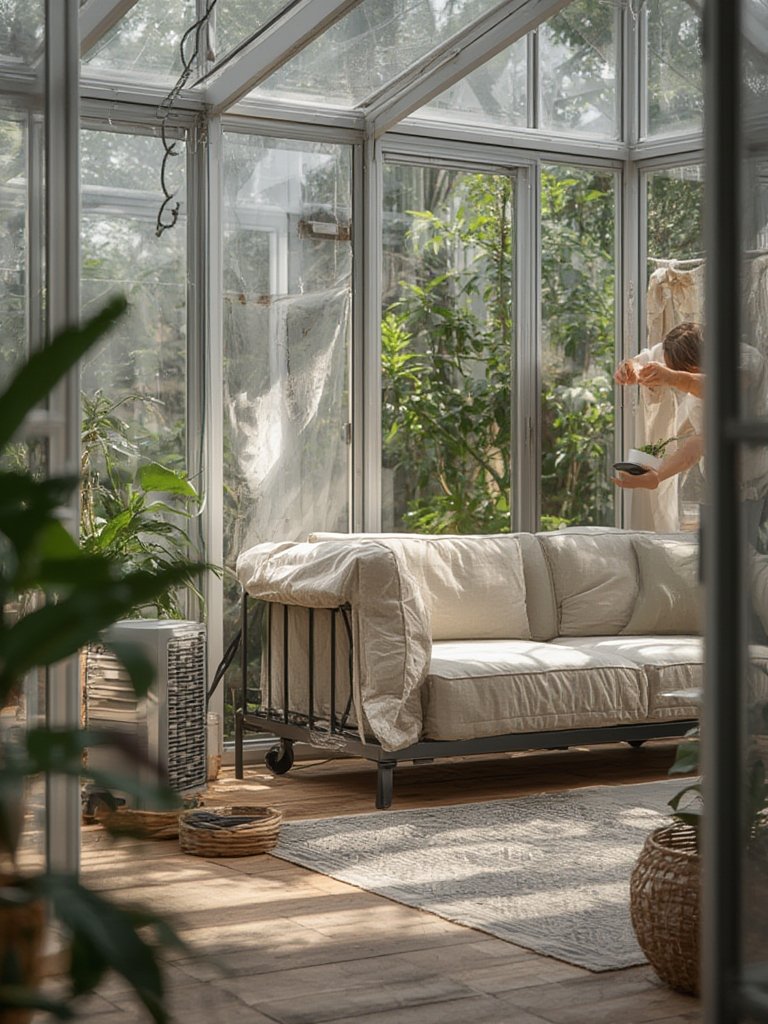
A stepwise and realistic approach keeps decorating on track and prevents costly mistakes. Always check the compatibility of materials and finishes with glasshouse humidity and sun exposure.
For tailored planning advice, it may be helpful to explore 2024’s best sustainable interior trends.
Advanced Analysis & Common Pitfalls
Decorating a greenhouse presents benefits, but also unique technical and practical challenges, especially if you want an inviting lounge for all seasons. Based on available research data, here’s what to watch out for—and how to mitigate pitfalls.
| Issue | Potential Problems | Solutions & Preventive Measures |
|---|---|---|
| Temperature Fluctuations | Overheating, cold spots, and condensation are common. Plant and human comfort are hard to balance. | Combine energy-efficient insulation, smart blinds, and portable heaters/coolers. Monitor with digital thermometers. |
| Humidity and Mold | Too much moisture causes mold, damages furniture, and encourages pests. | Ventilate daily, use portable dehumidifiers in summer, and opt for mildew-resistant furnishings. Water plants early in the day. |
| Furniture Durability | Standard indoor furniture will warp, rust, or degrade quickly in a greenhouse climate. | Choose outdoor-rated, easy-clean pieces. Use removable washable covers. |
| Light Levels | Some plants scorch in glasshouses; humans may want softer light for lounging. | Install adjustable window treatments. Zone lighting by area and function. |
| Cost | Conversions can get expensive with added insulation, climate control, and quality furniture. | Plan a budget—reuse or upcycle where possible. Choose staged upgrades over all-at-once spending. |
Evidence from 2024 biophilic and sustainable design trends (source) aligns with these common issues. Materials like reclaimed wood and metal get recommended for eco-friendliness, but not all are greenhouse-suitable—always verify moisture and UV tolerance. For insulation and efficiency, check out our complete window and insulation guide to avoid big mistakes.
Victorian-influenced greenhouse designs with ornate ironwork continue to trend—just make sure modern amenities and comfort upgrades aren’t neglected for the sake of looks (see upcoming styles here).
Conclusion
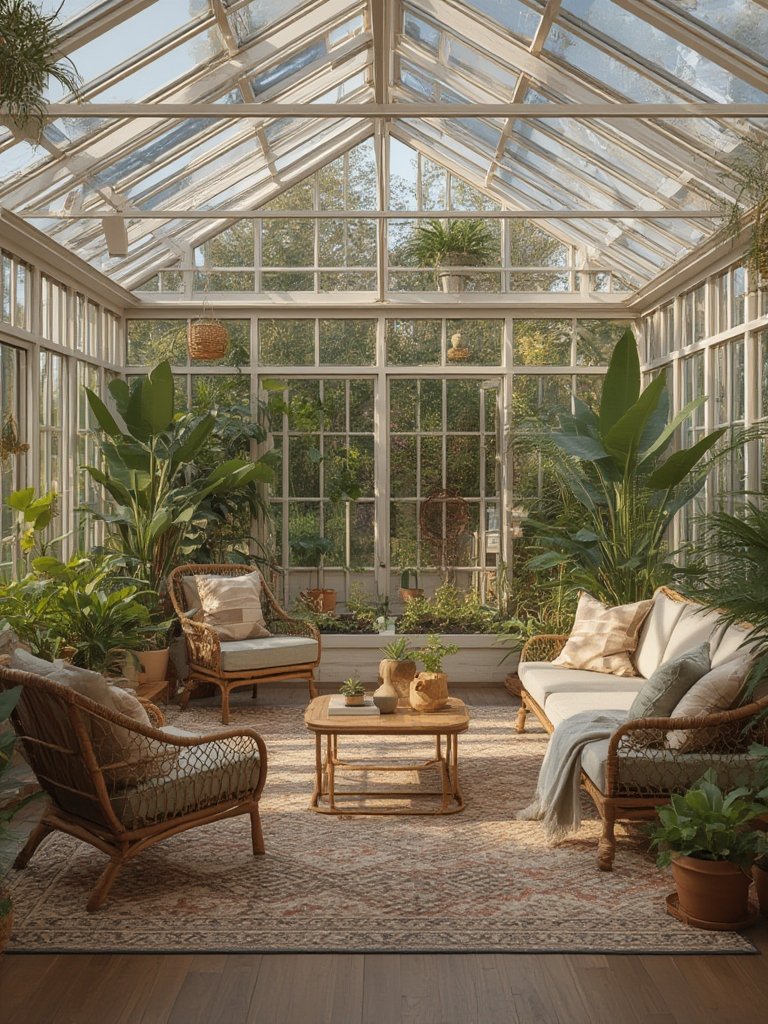
Greenhouse decorating isn’t just about filling your space with plants. It’s about smart upgrades, intentional layouts, and choosing the right climate solutions and furnishings. Expect some trial and error, but with the right strategy—and a healthy respect for the climate and maintenance challenges—your greenhouse can become a truly multi-functional retreat. Start your Greenhouse Decorating project today, and discover just how much more your garden room can offer beyond traditional growing.
Looking for next steps? See our backyard garden rooms guide for extra ideas, or explore our collection of unique furniture tips to finish your look.
FAQ
How do I keep furniture from molding in a greenhouse lounge?
Choose outdoor-rated, mildew-resistant materials like teak, powder-coated aluminum, or synthetic rattan. Ventilate daily, use washable cushion covers, and consider portable dehumidifiers if you spot condensation.
What’s the best way to regulate temperature in a greenhouse lounge?
Combine passive methods (insulation, thermal curtains, smart blinds) with active ones (portable fans, energy-efficient heaters, or a mini split). Regularly monitor temperature and humidity for plant and human safety.
Can I use regular indoor furniture for greenhouse decorating?
Not recommended. Most indoor furniture isn’t made to handle humidity, sun, and temperature swings found in greenhouses. Always pick outdoor or conservatory-graded pieces for long-term durability.
What lighting should I use for a greenhouse lounge that doubles as a retreat?
Maximize natural light but add dimmable LED lamps for evening relaxation. For plant areas, use full-spectrum grow lights as needed. Smart modular systems provide flexibility, ambience, and energy savings.
How much does it cost to convert a basic greenhouse into a lounge?
Costs can range from $1,000 for basic furniture and DIY upgrades to $10,000+ for insulation, climate control, and premium furnishings. Plan upgrades in stages if on a budget.