

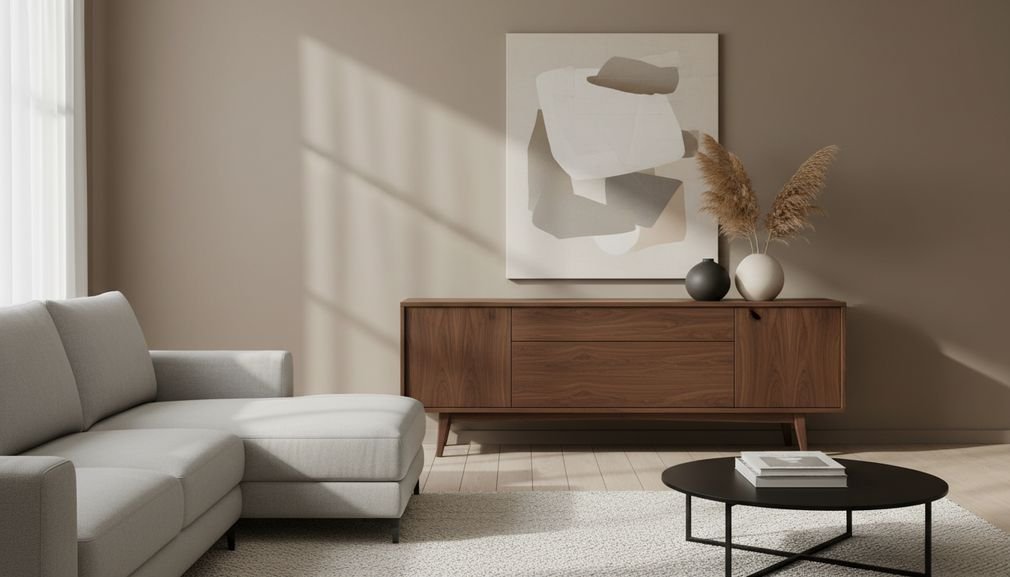
Investing in walnut living room furniture is more than a purchase; it’s a long term commitment to timeless style, durability, and sophisticated design. As homeowners increasingly seek pieces that blend aesthetic appeal with lasting value, walnut stands out for its rich tones, distinctive grain, and robust nature. This guide provides a clear, data driven look at why walnut is a premier choice for your home.
Key Takeaways
- Market Growth and Demand: The global walnut furniture market is a growing luxury niche, projected to reach USD 17.36 billion by 2031, signaling strong and sustained consumer confidence in its value.
- Proven Durability: American Black Walnut has a Janka hardness rating of 1010, making it a reliable choice for high traffic living room pieces like coffee tables and media consoles that need to withstand daily use.
- Design Versatility: Walnut seamlessly integrates with leading design movements, including Mid-Century Modern, Japandi, and minimalist aesthetics, ensuring its relevance in contemporary interiors.
- The Enduring Appeal of Walnut Living Room Furniture
- How to Choose the Right Walnut Furniture: A Practical Guide
- Walnut as a Long-Term Investment: Care and Considerations
- Conclusion: A Timeless and Valuable Choice
- Frequently Asked Questions
The Enduring Appeal of Walnut Living Room Furniture
In the world of fine home furnishings, walnut has carved out a distinct identity as a premium material. It isn’t just wood; it’s a statement. Known for its deep, rich colors that can range from light brown to a dark, almost purplish chocolate, and its complex, often straight but sometimes wavy grain, walnut brings an immediate sense of warmth and luxury to any space. This inherent beauty is why it’s a cornerstone of many dark wood furniture trends, offering a classic look that transcends fleeting styles.
This appeal is reflected in its market performance. While it occupies a niche within the luxury segment of the broader wood furniture industry, its position is solid and growing. The global market for walnut furniture was valued at over USD 12 billion in 2023 and is projected to reach approximately USD 17.36 billion by 2031. This steady growth, with a compound annual growth rate (CAGR) between 3% and 5.8%, is a strong indicator of its lasting desirability. As consumers look for authentic, natural materials, the demand for high quality walnut pieces continues to rise, solidifying its status as a wise and sophisticated investment for the home.
How to Choose the Right Walnut Furniture: A Practical Guide
Selecting the perfect walnut pieces for your living room involves more than just aesthetics. For the discerning homeowner, it’s about understanding the material’s properties, how it fits into your design vision, and its environmental credentials. Here’s a breakdown of the key factors to consider.
Step 1: Verify Durability and Quality
The first consideration for any high use furniture is its strength. Walnut is a hardwood, which means it’s dense and durable, but not all hardwoods are equal. American Black Walnut, a species commonly used in high end furniture, has a Janka hardness rating of approximately 1010. This rating measures the force required to embed a steel ball into the wood, providing a reliable indicator of its resistance to dents and wear. A rating of 1010 confirms its suitability for pieces that see daily action, like a central walnut coffee table or family media unit. When inspecting a piece, look for solid wood construction over veneers, especially for primary surfaces, and check for quality joinery like dovetail or mortise and tenon joints, which signal superior craftsmanship.
Step 2: Align with Modern Design Trends
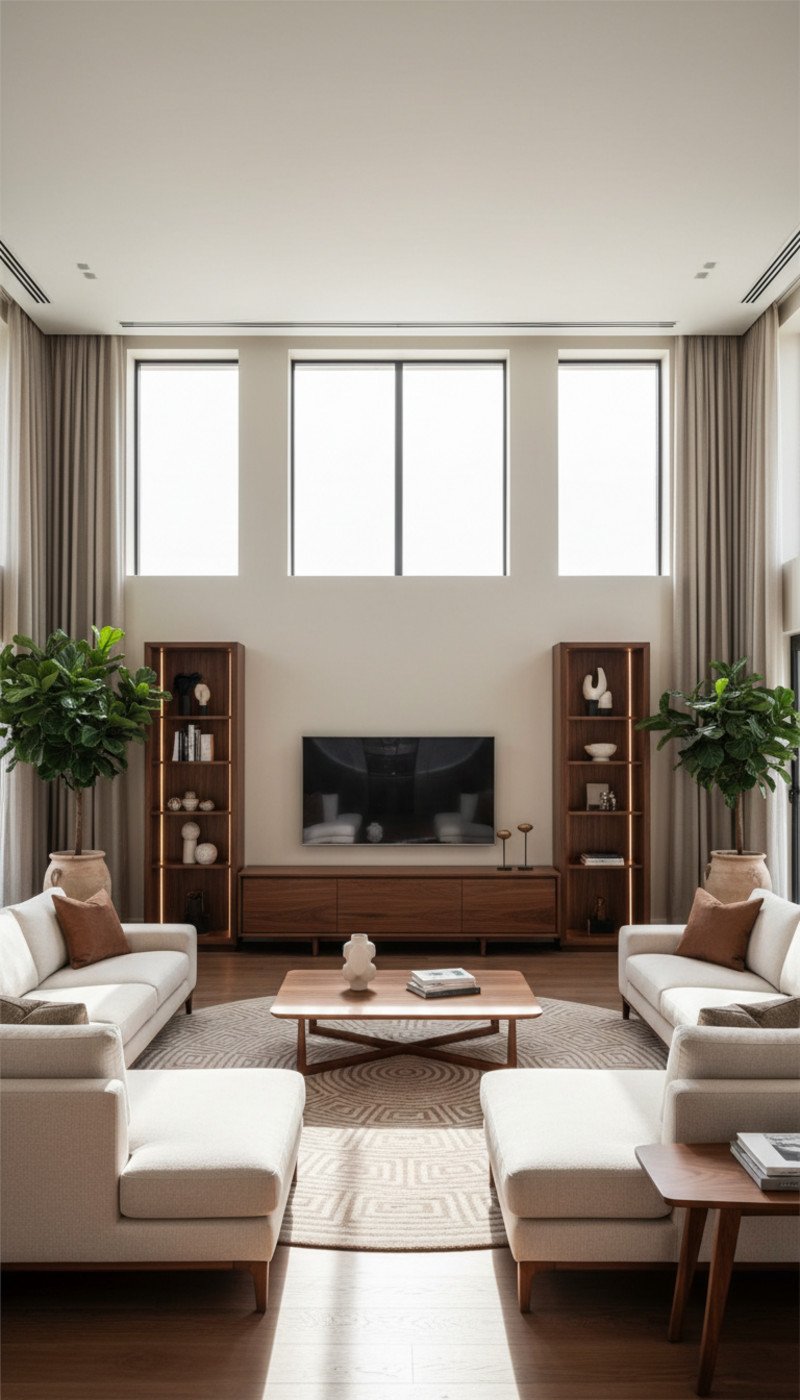
Walnut’s versatility is one of its greatest strengths. Its rich, warm tones provide a perfect anchor for several prominent living room furniture trends. For lovers of Mid-Century Modern design, walnut is the quintessential material, used extensively in the iconic creations of designers like Charles and Ray Eames. Its clean lines and organic feel make it a natural fit.
It also pairs beautifully with the minimalist, nature focused principles of Japandi style, where its dark hue creates a stunning contrast against light, neutral palettes. Modern trends also lean towards modular and customizable furniture, especially for smaller urban spaces. Elegant walnut shelving units can be configured to fit specific needs, serving as both storage and a striking design element. Whether your home is modern, traditional, or eclectic, walnut has the unique ability to complement and enhance its surroundings. This makes it an ideal backdrop for other decor choices, such as a bold living room wallpaper that adds personality without clashing.
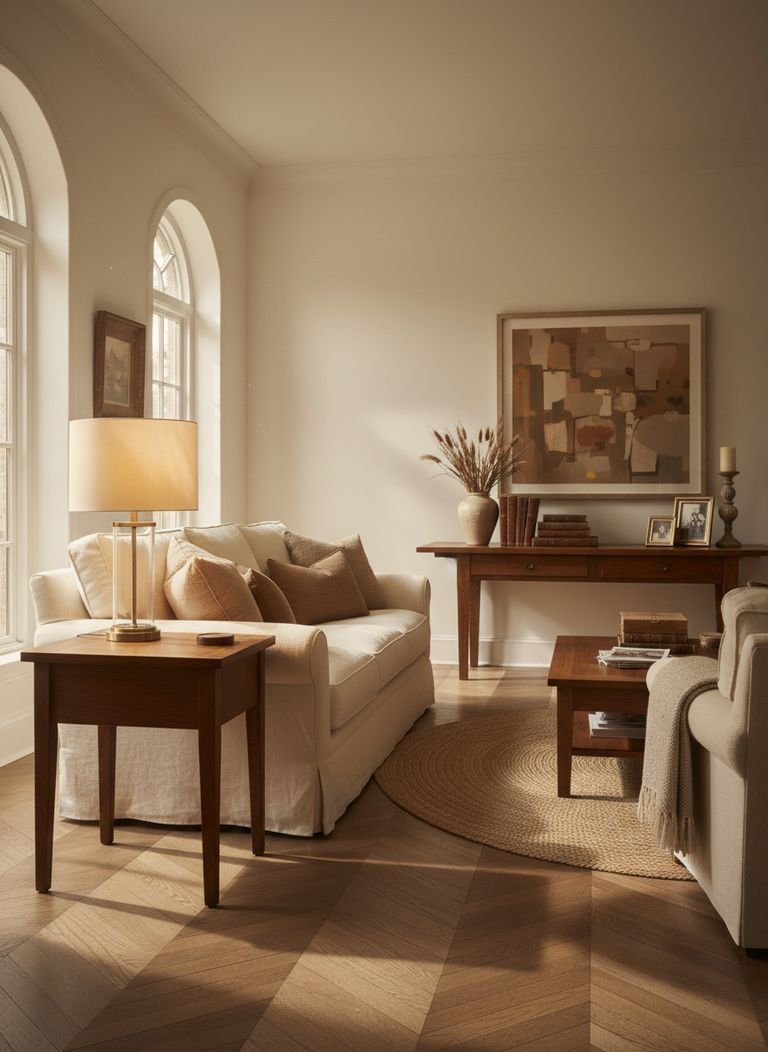
Beyond shelving, consider pieces like walnut side tables, which can introduce this luxe material in smaller doses. They are functional, stylish, and can tie a room together. For those who appreciate unique wood patterns, walnut pairs well with other distinctive finishes, creating a layered and curated look. You might even find inspiration in the intricate patterns of burl wood furniture to complement the classic grain of your walnut pieces.
Step 3: Make a Conscious, Sustainable Choice
In today’s market, the story behind a product is as important as the product itself. The growing demand for transparency in supply chains extends to the furniture industry. Discerning consumers are increasingly asking where their wood comes from and how it was harvested. When investing in walnut furniture, look for brands that prioritize sustainable sourcing. Certifications from organizations like the Forest Stewardship Council (FSC) provide assurance that the wood comes from responsibly managed forests that provide environmental, social, and economic benefits.
While the walnut furniture industry in mature markets like North America and Europe faces challenges in providing full supply chain transparency, many reputable manufacturers are making it a priority. As noted in market analyses, sustainability is a key driver for consumers in the premium furniture segment. Making an eco furniture sustainable choice not only aligns with modern values but also supports the long term health of the forests that provide this beautiful resource.
Walnut as a Long-Term Investment: Care and Considerations
Owning solid walnut furniture is a commitment that pays dividends in beauty and function for decades, but it requires proper care. While specific data on annual maintenance costs or professional refinishing intervals is scarce, the guiding principle is consistent: preventative care is critical to preserving its value. Unlike mass produced furniture, solid wood pieces are not disposable; they are heirlooms in the making.
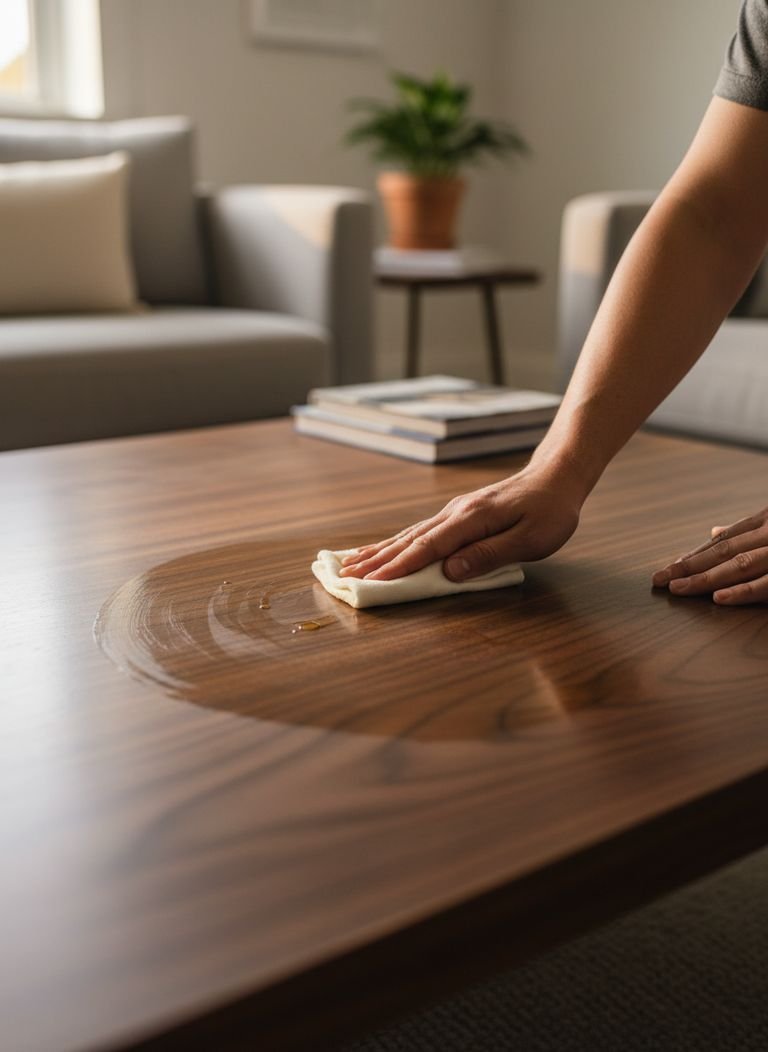
The primary enemies of walnut are extreme fluctuations in humidity, direct sunlight, and moisture. UV rays can cause the rich, dark wood to fade and lighten over time, so it’s wise to place valuable pieces away from windows that receive intense, prolonged sun exposure. Coasters are non negotiable for preventing water rings from forming on surfaces like coffee tables and side tables. Regular dusting with a soft, dry cloth is essential to prevent the buildup of abrasive particles.
For cleaning, use a slightly damp cloth followed immediately by a dry one. Avoid harsh chemical cleaners, silicone based polishes, or excessive water. Depending on the finish (oil, wax, or lacquer), periodic reapplication may be necessary every few years to nourish the wood and restore its protective layer. An oil finish, for example, penetrates the wood and provides a natural, matte look, but may require re-oiling more frequently than a hard lacquer finish. Although this requires effort, this diligent care ensures the structural integrity and deep luster of your walnut living room furniture will endure for generations, making it a truly worthwhile investment.
Conclusion: A Timeless and Valuable Choice
Choosing walnut living room furniture is a decision that prioritizes quality, enduring style, and long term value. Its proven durability, backed by a solid Janka hardness rating, ensures it can handle the demands of everyday life. Its aesthetic flexibility allows it to anchor a wide range of interior designs, from Mid-Century Modern to contemporary minimalism, guaranteeing it will not fall out of fashion. Furthermore, the growing market and the increasing consumer focus on sustainable, high quality materials underscore its position as a sound investment.
By understanding its properties and committing to its care, you are not just decorating a room; you are curating a living space with pieces that will mature gracefully and serve your family for years to come. When you are ready to elevate your home, investing in well crafted walnut living room furniture is a choice you can make with confidence.
Frequently Asked Questions
Is walnut furniture durable enough for a family with children?
Yes, it is. American Black Walnut has a Janka hardness rating of 1010, which indicates good resistance to dents and scratches from daily use. While no wood is completely indestructible, walnut is a robust hardwood that holds up well in high traffic areas, making it a practical and beautiful choice for family living rooms.
Does walnut furniture fade in the sun?
Yes, like most natural woods, walnut is susceptible to fading or lightening when exposed to direct, prolonged sunlight. Its rich, dark tones can bleach over time due to UV rays. To protect your investment, it is best to position walnut pieces away from windows with intense sun exposure or use window treatments to filter the light.
How does walnut furniture fit with current design trends?
Walnut is incredibly versatile and aligns with several key trends. It is a hallmark of Mid-Century Modern design, provides a warm, organic contrast in minimalist and Japandi interiors, and is used in modern modular furniture. Its timeless appeal ensures it remains relevant even as specific trends evolve.
Is walnut furniture considered a sustainable choice?
It can be. The sustainability of walnut furniture depends entirely on its sourcing. To make an eco conscious choice, look for manufacturers who use wood from responsibly managed forests, ideally with certifications like FSC (Forest Stewardship Council). This ensures the harvesting practices are environmentally and socially responsible.
What is the difference between solid walnut and walnut veneer?
Solid walnut furniture is made entirely from thick planks of walnut wood. Walnut veneer consists of a very thin layer of real walnut wood glued to a core of a different material, often particleboard or MDF. Solid wood is more durable, can be refinished multiple times, and is considered a higher quality, long term investment. Veneer is a more affordable option that still provides the look of walnut but is less durable and cannot be significantly repaired if damaged.