

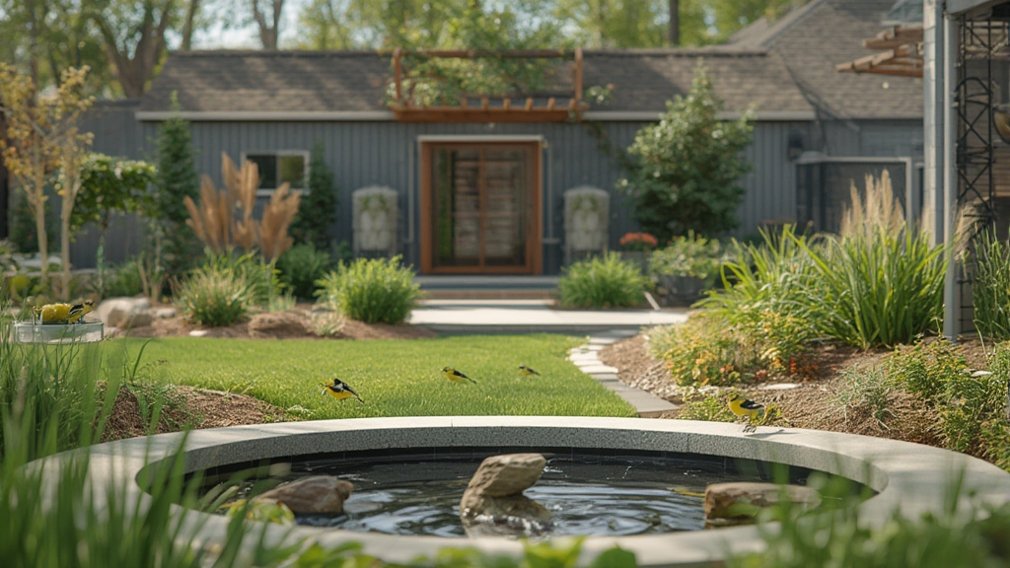
Birdscaping is transforming how homeowners approach gardening, making backyards not just beautiful but also a haven for local birdlife and biodiversity. In 2024, interest in wildlife-friendly landscapes is higher than ever, and homeowners want practical ways to attract, support, and observe birds in their own outdoor spaces.
Key Takeaways
- Birdscaping is about intentionally designing gardens and landscapes to attract and support native birds.
- Most challenges in birdscaping involve plant selection, pest management, and ongoing maintenance—solutions require a realistic, region-specific approach.
- Data shows increased interest in birdscaping, but there are critical gaps in region-specific planting guides, cost data, and recognized certifications.
- The Core Concept: What Is Birdscaping and Why Does It Matter?
- Step-by-Step Guide: How to Start Birdscaping in 2024
- Advanced Analysis & Common Pitfalls
- Conclusion
- FAQ
The Core Concept: What Is Birdscaping and Why Does It Matter?
Birdscaping turns ordinary yards into living habitats, attracting local bird species and improving the health of your ecosystem. It’s more than just another garden trend—it’s a response to the real and pressing declines in bird populations both in North America and Europe. By planting native shrubs, trees, and flowers, adding water sources, and reducing chemical use, you help create stepping stones for wildlife where traditional landscaping falls short.
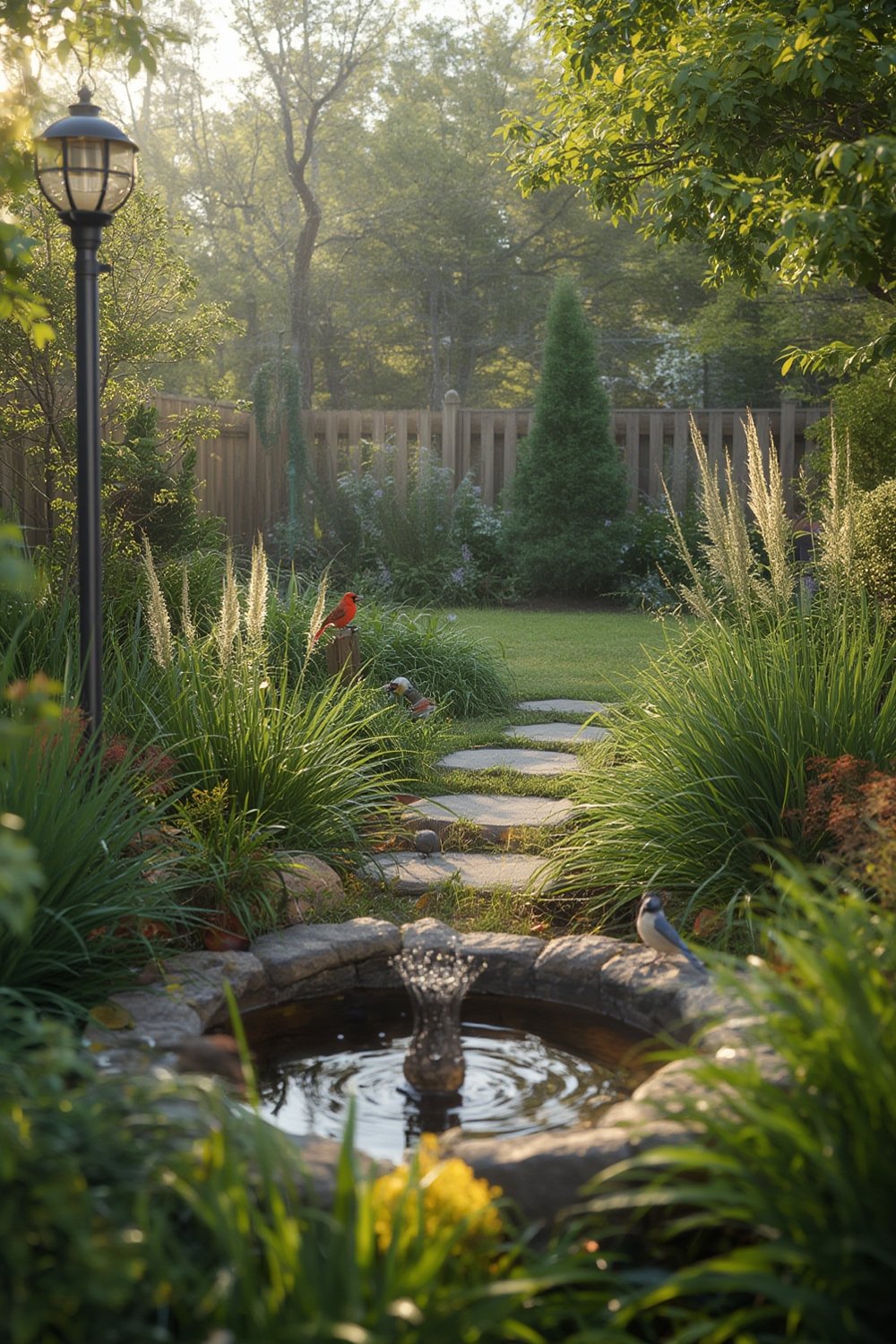
Unlike typical landscaping, birdscaping focuses tightly on what birds need—cover for nesting, food sources year-round, and safe places to rear their young. This approach helps address the loss of habitat that has led to a 15% decline in common birds across Europe since 1990, and supports the $75 billion North American wildlife watching industry [source]. With no universal technical standards or certifications, success hinges on what works in your region and on your site.
Done right, birdscaping offers hands-on benefits: more pollinators, a natural check on garden pests, and daylong entertainment as birds feed, nest, and play. If you’ve tackled outdoor upgrades before—like a backyard living space or firescaping project—birdscaping is the next meaningful layer, yielding rewards for both you and your local environment.
Step-by-Step Guide: How to Start Birdscaping in 2024
- Assess Your Yard and Region: Start by identifying which bird species are native to your area. Local Audubon chapters or bird monitoring reports can help. Understand site conditions—sun, shade, moisture, and existing plants.
- Limit Chemical Use: Pesticides and fertilizers reduce insect populations and can harm birds directly. Replace chemical treatments with manual weed removal and eco-friendly methods.
- Choose Diverse Native Plants: Favor a mix of native trees, shrubs, flowering perennials, ornamental grasses, and seed-bearing plants. For actionable examples, resources such as the Great Backyard Bird Count 2024 highlight hotspots and might inspire choices tailored to your region, though specific plant guides remain a gap.
- Layer for Cover and Food: Design with layers—groundcover, shrub, small tree, and canopy—to offer food and shelter. This encourages nesting and keeps predators guessing.
- Add Water Features: A simple birdbath or small pond attracts a wider variety of birds, especially during dry spells.
- Offer Supplemental Feeders (Optional): Year-round feeders provide consistency as native plants grow in. Keep feeders clean to avoid disease outbreaks.
- Monitor and Tweak: Track which birds visit and adapt plantings or layouts each season based on your observations and local data.
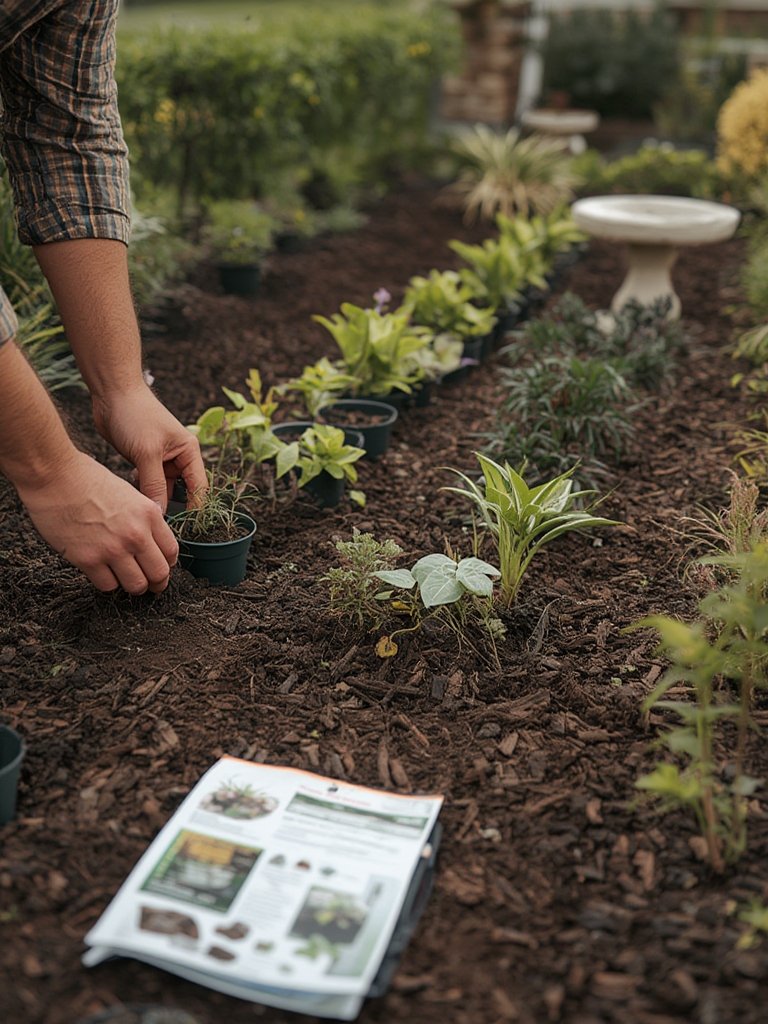
Remember, the best birdscaping plans fit your time and resources. If you enjoy DIY, combining your own selections is often more rewarding—and less expensive—than buying pre-packaged habitat kits. For even more biodiversity, try stacking your birdscaping project with a keystone planting approach—see our in-depth Keystone Plantings guide for details on high-impact regional species.
Want to amplify your outdoor space’s function and comfort alongside birdscaping? Smart integration with other home upgrades is possible, like working native plant beds into a cozy garden furniture corner or linking habitat areas with wildlife-friendly outdoor lighting that won’t disrupt bird habits after dusk.
If you’re picturing a lush, layered garden but only have a small space, modular approaches like the Botanical Bento small space garden method let you get started—no big backyard required.
Advanced Analysis & Common Pitfalls
Getting real about birdscaping helps maximize your success. Below are realistic hurdles homeowners face, drawn from the latest research and industry gaps.
| Pitfall | Why It Happens | How to Solve |
|---|---|---|
| Plant Selection Mismatch | Lack of specific, regionally-tailored plant lists for different climates; generic kits may not thrive everywhere. | Consult local native plant nurseries and community resources; observe which wild plants local birds use. |
| Ongoing Maintenance Overload | Native gardens can get unruly; pests may increase without pesticides. No clear long-term upkeep standard exists. | Prioritize manageable zones; choose low-maintenance species; accept that “wild” doesn’t mean abandoned. |
| Lack of Industry Standards | There are no monitoring-based certifications for birdscaping services; results can vary widely by provider. | Choose DIY or research companies carefully; rely on data-driven approaches and adjust seasonally. |
| Cost Uncertainty | No standardized pricing; kit and service costs are not typically published. | DIY for many tasks; compare local nursery costs; start small and scale up as budget allows. |
International surveys and research on European farmland birds highlight declines linked to intensive chemical use and loss of diverse plantings. Solutions from academic studies recommend both a reduction in synthetic inputs and a greater plant diversity—but applying these at the garden level takes adaptation and ongoing effort.
Another common oversight? Over-reliance on feeders or single-season plants. For most bird populations, steady food from native flora across all seasons matters more than a full feeder buffet in winter. This is a missed opportunity for balanced, long-term habitat gains. When in doubt, refer to community science data, like regional bird count reports or consider ways to link your garden redesign with bigger upgrades, such as using AI-driven irrigation for both birdscaping and water savings.
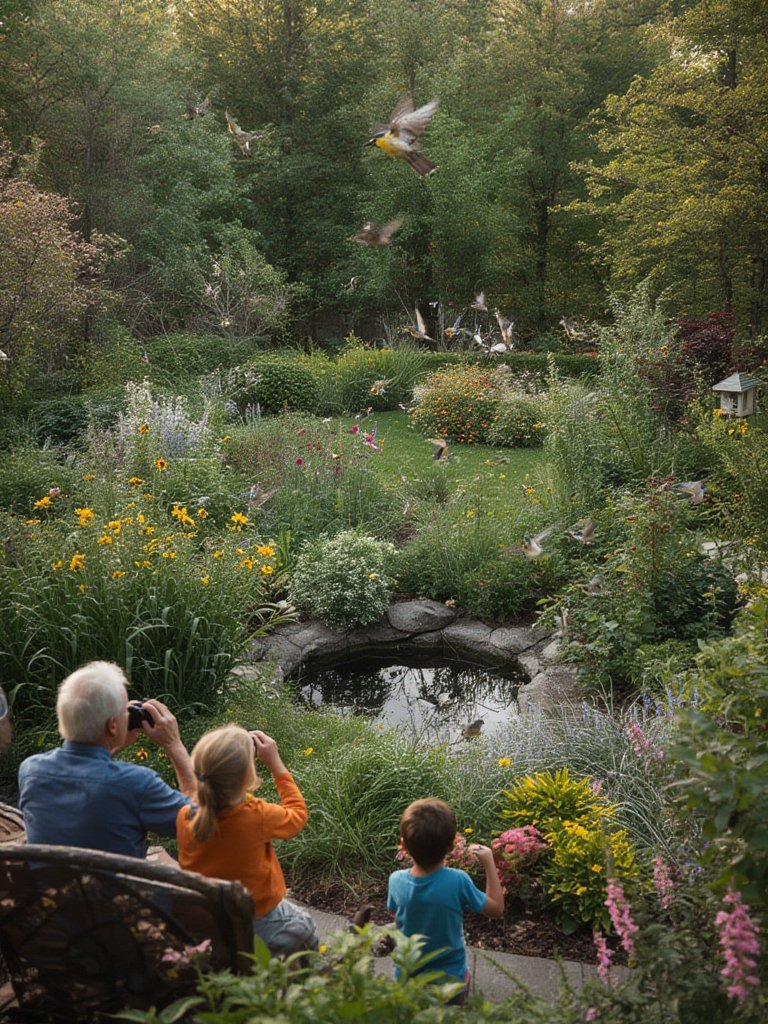
Bottom line: There’s no one-size-fits-all kit or approach. Successful birdscaping relies on local adaptation, willingness to experiment, and realistic management of time and resources.
Conclusion
Creating a bird-friendly garden with birdscaping offers direct rewards for your landscape’s wildlife, your wellbeing, and even the value of your property. The path isn’t entirely mapped—there are gaps in region-specific plant lists, cost clarity, and recognized standards—but starting small and adapting seasonally brings results. Avoid shortcuts, prioritize native plantings, and don’t be afraid to let nature shape parts of your garden.
Ready for a functional, beautiful outdoor space that supports the birds you love? Start your birdscaping journey today with a single corner—or overhaul your whole yard if you’re inspired. For more practical tips and actionable outdoor upgrades, explore our outdoor living space and keystone plantings guides.
FAQ
Is birdscaping suitable for small urban gardens or balconies?
Yes. Even small spaces benefit from container-growing regionally native plants, hanging bird feeders, and providing water. Modular planting kits or vertical gardening solutions can help maximize limited space.
Do I need to stop using all pesticides and fertilizers for birdscaping?
Reducing chemical use is highly recommended. Many birds rely on insects for food. Switch to organic or manual pest and weed control, and use natural mulches to support soil health and invertebrate populations.
Are there certifications I should look for when hiring a birdscaping professional?
Currently, there are no formal certifications or industry standards for birdscaping services. Ask about a provider’s experience with native plants for your region and request success stories or references.
What’s the average cost to start a birdscaping project?
There is no standard pricing, and most sources do not publish typical costs. DIY approaches with native plants from local nurseries are usually the most affordable option. Start with a small section to manage both costs and maintenance.
Where can I find what native plants are best for birds in my area?
Local Audubon chapters, native plant societies, and community nature organizations are the best sources. Online resources like regional bird count reports may help identify which species to support even if plant data remains limited.