

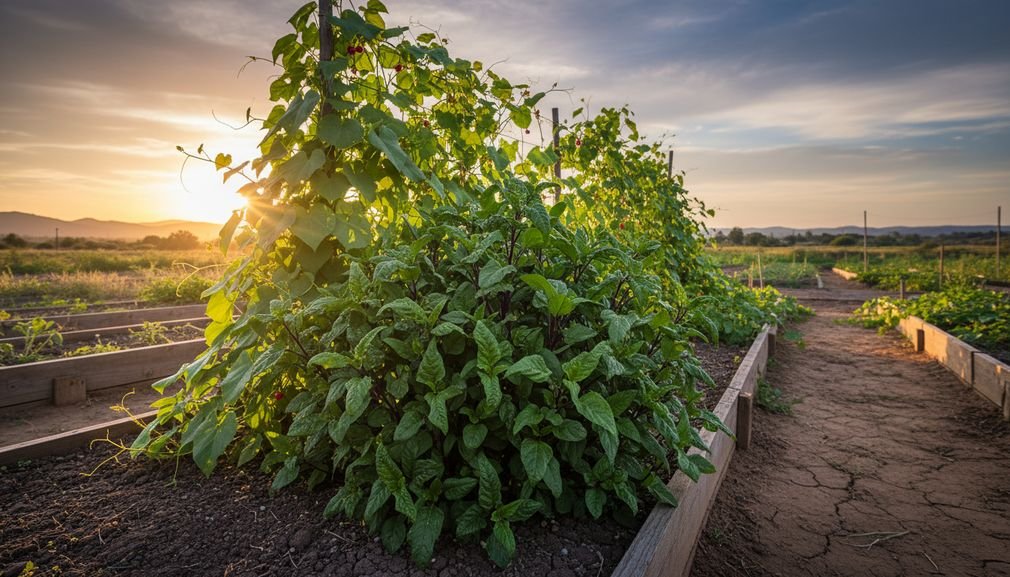
Building a garden of Climate-Resilient Edibles is the single most effective step you can take to secure your family’s food supply against increasingly unpredictable weather. It’s no longer about simply choosing a few “drought tolerant” plants; it’s about architecting a productive, low effort ecosystem that thrives when conventional gardens fail.
Key Takeaways
- Climate change is already impacting staple crop yields, signaling a clear and present threat to home gardens that rely on traditional, vulnerable annuals.
- True resilience is measured by consistent yield and flavor, not just plant survival. Focus on crops that produce well under stress, not just those that stay green.
- Prioritize perennial vegetables and advanced techniques like deep mulching and water harvesting to create a long term, low maintenance food system that saves water and labor.
- The Urgent Need: Why Climate-Resilient Edibles Are Not Optional
- Beyond Survival: Defining Truly Resilient Crops for Your Garden
- Your Resilient Garden: Top Picks for Drought-Tolerant and Heat-Resistant Success
- The Power of Perennials: Building a Long-Term, Low-Effort Food System
- Advanced Strategies for Thriving Gardens in Unpredictable Climates
- The Future Harvest: Breakthroughs in Heat-Resistant Varieties
- Making the Switch: Practical Steps to Transition Your Garden
- Your Resilient Harvest Awaits
- Frequently Asked Questions About Climate-Resilient Edibles
The Urgent Need: Why Climate-Resilient Edibles Are Not Optional
The stability we once took for granted in our growing seasons is disappearing. For gardeners like Elena, who are keenly aware of the shifting climate, this isn’t abstract news; it’s a tangible threat to the food grown for her family. What was once a reliable harvest of tomatoes and corn is now a gamble against sudden heatwaves, prolonged droughts, or torrential downpours. The data from large scale agriculture serves as a stark warning for our own backyards.
For instance, climate models project that by 2030, the U.S. Midwest will see significant impacts on staple crops. A report highlighted by the Environmental Defense Fund shows nearly all of Iowa’s counties could see corn yields drop by over 5%, with half experiencing a more than 10% decline compared to a stable climate. Similarly, Southern Europe is bracing for yield declines in maize and sunflowers. While these figures are for massive farms, the underlying message is critical for home gardeners: the plants we’ve relied on for generations are struggling. Relying solely on traditional annuals is becoming an increasingly risky food strategy.
Beyond Survival: Defining Truly Resilient Crops for Your Garden
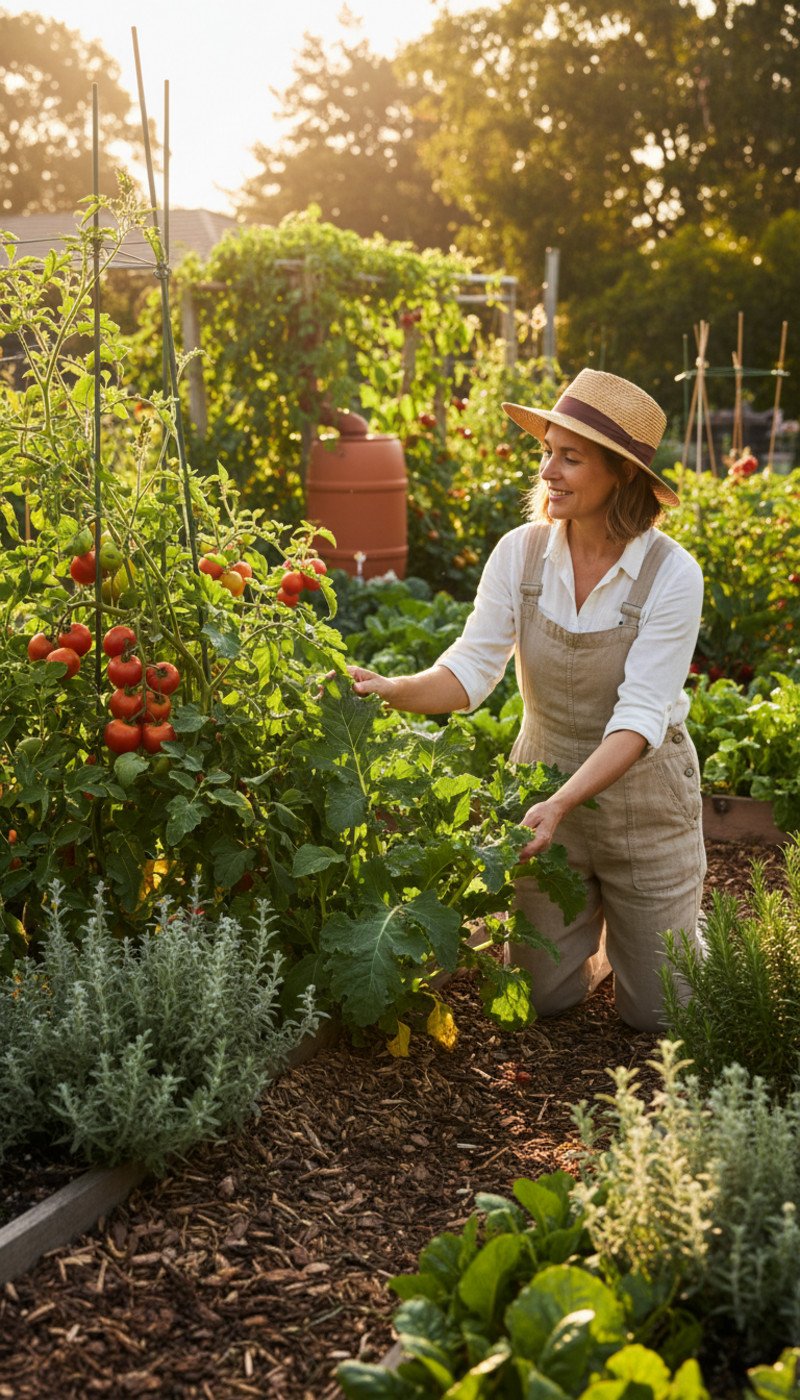
Many gardeners have tried planting so called drought tolerant vegetables only to be disappointed. The plant might survive a dry spell, but the result is often a handful of small, bitter fruits or stunted growth. This is the crucial distinction: survival is not the same as thriving. A truly resilient edible doesn’t just stay alive; it continues to produce a worthwhile, flavorful harvest even when conditions are far from ideal.
This addresses a core frustration for the future proof gardener. You invest time, water, and effort, expecting a reward, but the compromised yield and flavor make it feel like a failure. The goal isn’t a garden of tough, inedible survivors. The goal is a consistent supply of delicious, nutritious food. This requires a shift in mindset—moving away from plants that merely tolerate stress to those that are genetically adapted to it, maintaining their vigor, productivity, and palatability through heat and drought.
Your Resilient Garden: Top Picks for Drought-Tolerant and Heat-Resistant Success
Building a truly resilient garden starts with selecting the right players. While comprehensive research on home garden yields during extreme heat is sparse, decades of anecdotal evidence and selective breeding have given us a roster of dependable performers. These are some of the best crops for summer heatwaves that deliver on both production and taste.
Top Annuals for Heat and Drought
- Armenian Cucumbers: Technically a melon, they don’t get bitter in the heat like traditional cucumbers. They thrive in hot weather and remain crisp and delicious.
- Malabar Spinach: This vining green is not a true spinach but loves extreme heat that would cause regular spinach to bolt instantly. It produces succulent, nutritious leaves all summer long.
- Tepary Beans: A staple of the Sonoran Desert, these beans are incredibly drought tolerant and produce small, protein packed beans with a rich, nutty flavor. They require minimal water once established.
- Okra (Clemson Spineless or Burgundy): A classic southern crop, okra plants are unfazed by temperatures above 95°F (35°C) and will produce prolifically as long as you keep harvesting the pods.
- Sweet Potatoes: The leafy vines act as a living mulch, shading the soil and suppressing weeds while the tubers develop below ground, safe from the sun’s direct heat. They need very little attention once established.
Remember that even these hardy plants benefit from smart gardening practices. A deep layer of straw or wood chip mulch is non negotiable; it insulates the soil, retains moisture, and slowly breaks down to feed the soil biology. This simple step can dramatically reduce your watering needs and improve plant health.
The Power of Perennials: Building a Long-Term, Low-Effort Food System
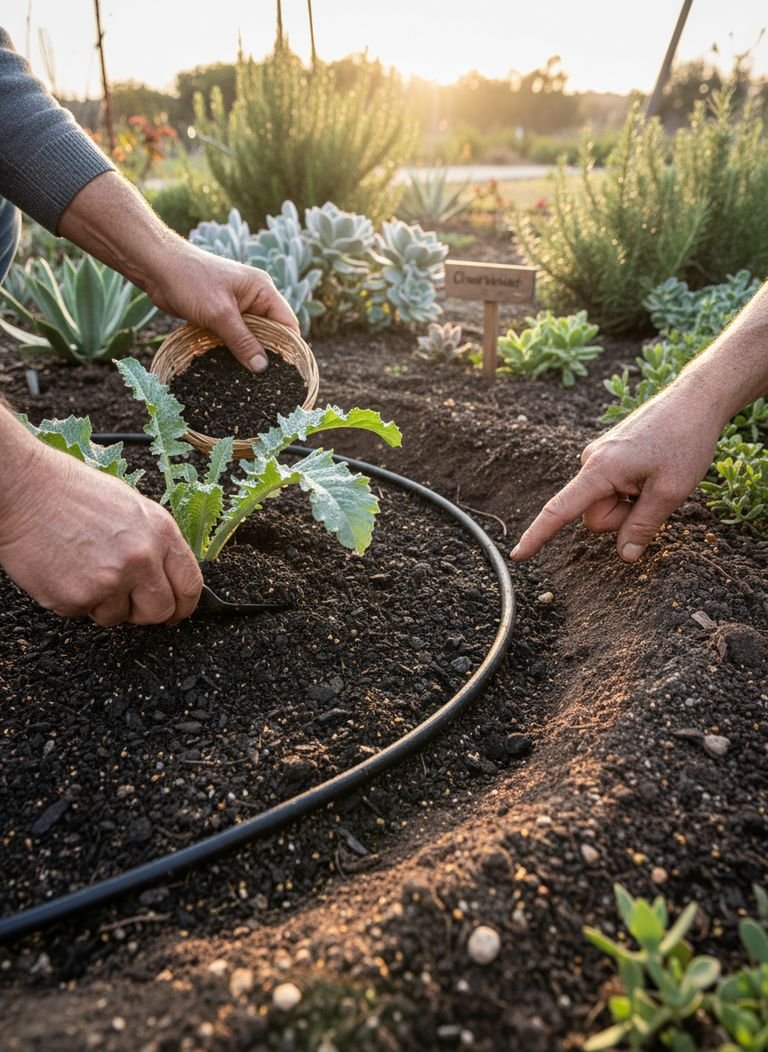
While tough annuals are a great start, the ultimate strategy for resilience lies with perennial vegetables. These plants live for many years, developing deep, extensive root systems that can access water and nutrients far below the reach of annuals. Once established, they require significantly less work—no yearly tilling, planting, or seed starting. They are the backbone of a truly low effort, long term food system.
Many gardeners are familiar with asparagus, rhubarb, and sunchokes, but the world of perennial vegetables for unpredictable weather is vast and exciting. Consider adding these lesser known powerhouses to your garden:
- Sea Kale (Crambe maritima): With succulent leaves and flower shoots that taste like nutty asparagus, this plant is extremely drought tolerant thanks to its deep taproot.
- Good King Henry (Chenopodium bonus-henricus): An ancient European vegetable, it provides edible shoots in spring (like asparagus), leaves in summer (like spinach), and grain like seeds in fall.
- Walking Onions (Allium × proliferum): These onions form little bulbils at the top of their stalks, which then fall over and “walk” across your garden, planting themselves. They are a near perpetual source of green onions and shallot like bulbs.
- Lovage (Levisticum officinale): This herb tastes like a strong, sweet celery and can grow over six feet tall. A few leaves are all you need to flavor a whole pot of soup, and its deep roots make it very self sufficient.
Integrating these plants creates a stable food production layer in your garden that functions year after year with minimal intervention. These deep-rooted plants are also fantastic for soil health, creating permanent channels for air and water. This kind of ecological stability is central to modern gardening approaches, similar to how keystone planting builds a resilient wildlife habitat.
Advanced Strategies for Thriving Gardens in Unpredictable Climates
To truly future proof your garden, you need to support your resilient plants with resilient systems. This means thinking beyond just what you plant and focusing on how you manage your soil and water. These advanced strategies create a buffered environment that protects your garden from climate extremes.
Building Deep, Living Soil
For perennial systems, soil health is paramount. Instead of annual tilling, which destroys soil structure, focus on “top down” soil building. This involves applying thick layers of compost, shredded leaves, and wood chips directly to the soil surface around your plants. This mimics how a forest floor builds soil naturally. Over time, this organic matter is pulled down by worms and microorganisms, creating a rich, spongy, carbon filled soil that holds immense amounts of water and resists erosion. This long term approach is one of the most powerful ways to ensure your Climate-Resilient Edibles have the resources they need to thrive.
Integrated Water Harvesting
Don’t let precious rainwater run off your property. You can capture and store it directly in the soil using simple earthworks. A “swale” is a shallow trench dug on contour (level across the slope of your land) that captures runoff and allows it to sink slowly into the ground, hydrating the soil deeply. Planting your fruit trees and perennial vegetables downslope from a swale provides them with a passive, deep watering system that is invaluable during a drought. This is a key technique in firescaping, as well hydrated landscapes are more fire resistant.
The Future Harvest: Breakthroughs in Heat-Resistant Varieties
While we can do a lot with existing plants and techniques, plant breeders are also working hard on the next generation of climate ready crops. Universities and independent seed companies are actively selecting for traits like heat tolerance, drought resistance, and flavor retention under stress. One of the most exciting areas is the development of heat resistant heirloom tomatoes.
Many beloved heirloom tomatoes stop setting fruit when nighttime temperatures stay above 75°F (24°C). Breeders are crossing these flavorful varieties with heat tolerant wild relatives to create new strains that combine the best of both worlds. While you might see mentions of a “heat resistant heirloom tomatoes 2026” release, specific commercial availability dates are often uncertain. The key takeaway is that help is on the way. Likewise, new perennial vegetable cultivars are being developed that are more productive and adaptable. Staying connected with innovative seed catalogs and university extension programs will give you first access to these game changing varieties as they become available.
Making the Switch: Practical Steps to Transition Your Garden
Transitioning to a climate resilient garden doesn’t have to be an overwhelming, all-at-once project. A gradual, phased approach is more manageable and sustainable.
Step 1: Start at the Edges
Begin by planting perennial vegetables and herbs along the borders of your existing garden beds. These areas are often underutilized and are a perfect place to establish long term plants without disrupting your current annual layout. This phased approach is a smart way to manage any home improvement planning, including in the garden.
Step 2: Observe and Replace
Pay close attention to your garden during the next heatwave or dry spell. Which plants suffer the most? Which ones stop producing or die back? These are your weakest links. The following season, replace the one or two worst performing annuals with a more resilient alternative from the list above.
Step 3: Mulch, Mulch, Mulch
The single most impactful change you can make this season is to apply a thick (4-6 inch) layer of organic mulch over all your bare soil. Straw, shredded leaves, or wood chips will immediately start conserving water, cooling the soil, and suppressing weeds. This is a foundational step for all energy efficient upgrades in the garden, saving the energy (and water) needed to keep it alive.
While initial costs for perennial plants may be higher than a packet of seeds, the long term return on investment is substantial. You’ll save money on seeds, seedlings, and most importantly, water, year after year.
Your Resilient Harvest Awaits
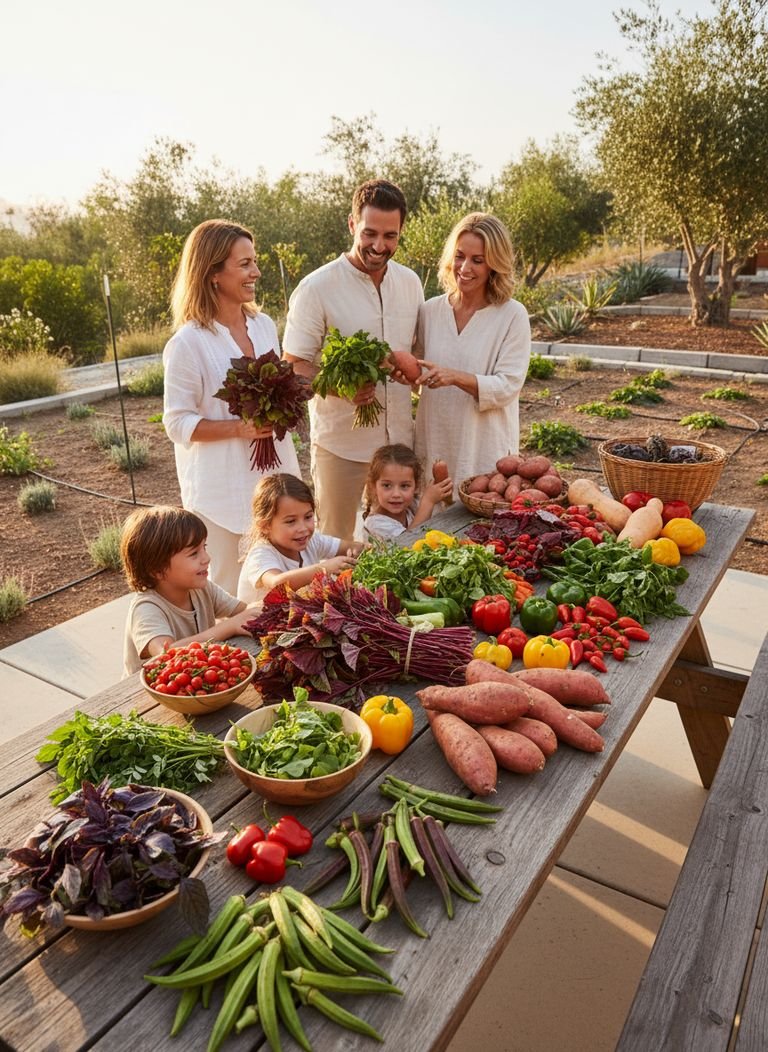
Shifting your garden towards climate resilience is a proactive, empowering response to a changing world. It’s about moving from a position of anxiety to one of action and abundance. By choosing plants that thrive in adversity, building deep and healthy soil, and implementing smart water management strategies, you can create a garden that is not only productive but also a source of security and peace of mind.
The process is a journey, not a destination. Start small, replace your most vulnerable plants, and prioritize perennial additions. Every step you take builds a more robust and self sufficient ecosystem in your own backyard. Your investment in Climate-Resilient Edibles today will pay dividends in delicious, healthy harvests for many years to come, no matter what the weather brings.
Frequently Asked Questions About Climate-Resilient Edibles
Do climate resilient plants taste as good as traditional vegetables?
Absolutely. Many resilient varieties, like Armenian cucumbers or heat-tolerant heirlooms, have been selected specifically for excellent flavor. The key is choosing the right varieties rather than assuming that toughness equals a compromise on taste. Plants that are not under stress often produce better tasting fruit.
How much more expensive is it to start a climate resilient garden?
The initial cost can be slightly higher if you are purchasing perennial plants instead of annual seeds. However, this is a one time investment. Over the long run, you save significant money on seeds, seedlings, water, and soil amendments, making it a more cost effective strategy.
Can I grow these plants in containers on a balcony?
Yes, many resilient edibles do well in containers. Choose larger pots (at least 5 gallons, and preferably larger) to provide a more stable root environment. Malabar spinach, sweet potato vines, and certain bush beans are excellent candidates. For containers, diligent watering and mulching are even more critical. It’s a great application of the Botanical Bento concept of composed planting in small spaces.
Where can I find seeds or plants for less common perennial vegetables?
Look for specialized, independent seed companies online that focus on permaculture, heirlooms, or edible landscaping. Nurseries that specialize in native plants or edible perennials are also excellent resources. Joining local gardening groups or seed swaps can be a great way to find plants adapted to your specific area.
How long does it take for perennial vegetables to become productive?
It varies by plant. Some, like walking onions or Good King Henry, can provide a small harvest in their first year. Others, like asparagus or sea kale, typically need two to three years to establish a strong root system before you should begin harvesting heavily. This initial patience is rewarded with decades of low effort harvests.