

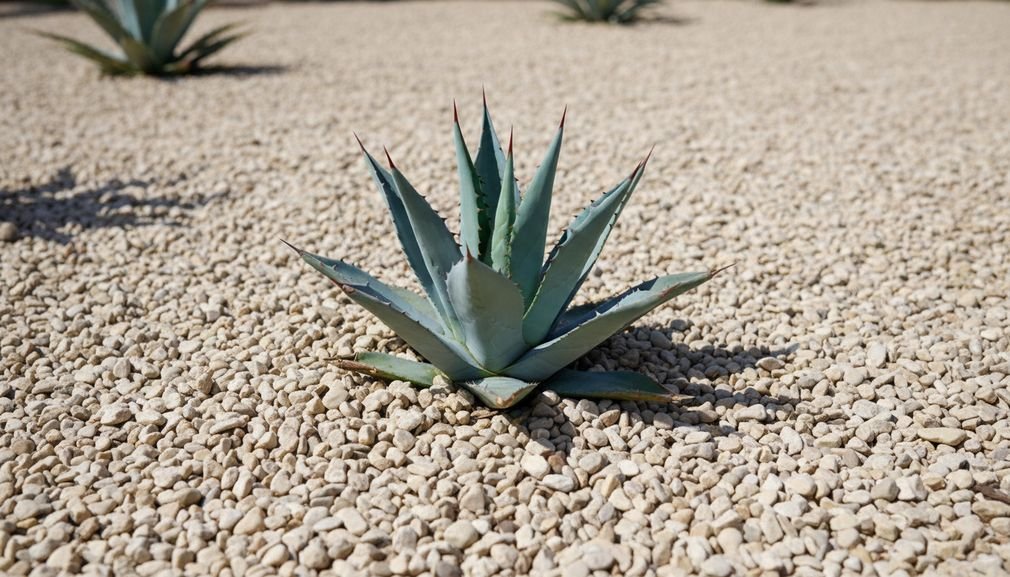
Transforming your lawn with Gravel Gardening is a practical and beautiful solution for creating a sustainable, low-maintenance landscape that thrives in dry conditions. This guide provides a clear roadmap, breaking down the costs, materials, and technical steps needed to replace your thirsty lawn with a stylish, water-wise oasis. We will move beyond simple inspiration and give you the actionable financial and installation data required to budget and build with confidence.
Key Takeaways
- A professional gravel garden installation typically costs between $1.85 and $3.91 per square foot, making it a budget-friendly landscaping upgrade.
- A DIY approach can cost around $3.67 per square foot when factoring in materials and necessary tool rentals or purchases, offering more control but not always significant savings.
- The foundation of a durable gravel garden relies on correct installation, including a recommended depth of 2 inches for pathways and 3 to 6 inches for patios and beds to ensure stability and weed prevention.
- Navigating the Investment: A Detailed Look at Gravel Garden Costs in 2024
- Professional vs. DIY: Unpacking the Cost Differences for Your Gravel Bed Project
- Choosing Your Foundation: Types of Gravel and Their Price Points for Xeriscaping Ideas
- Building a Resilient Drought-Tolerant Gravel Bed: Essential Technical Specifications
- Final Thoughts on Your Gravel Gardening Project
- Frequently Asked Questions
Navigating the Investment: A Detailed Look at Gravel Garden Costs in 2024
Understanding the financial commitment is the first step in planning your gravel garden. Whether you hire a professional or do it yourself, a clear budget helps manage expectations and ensures a successful outcome. Gravel gardening is a key component of water-wise landscaping, offering a significant reduction in water bills and maintenance time compared to a traditional turf lawn. This makes it a smart long-term investment, not just an aesthetic upgrade. It’s an investment in sustainability, similar to installing WaterSense fixtures inside your home to reduce consumption.
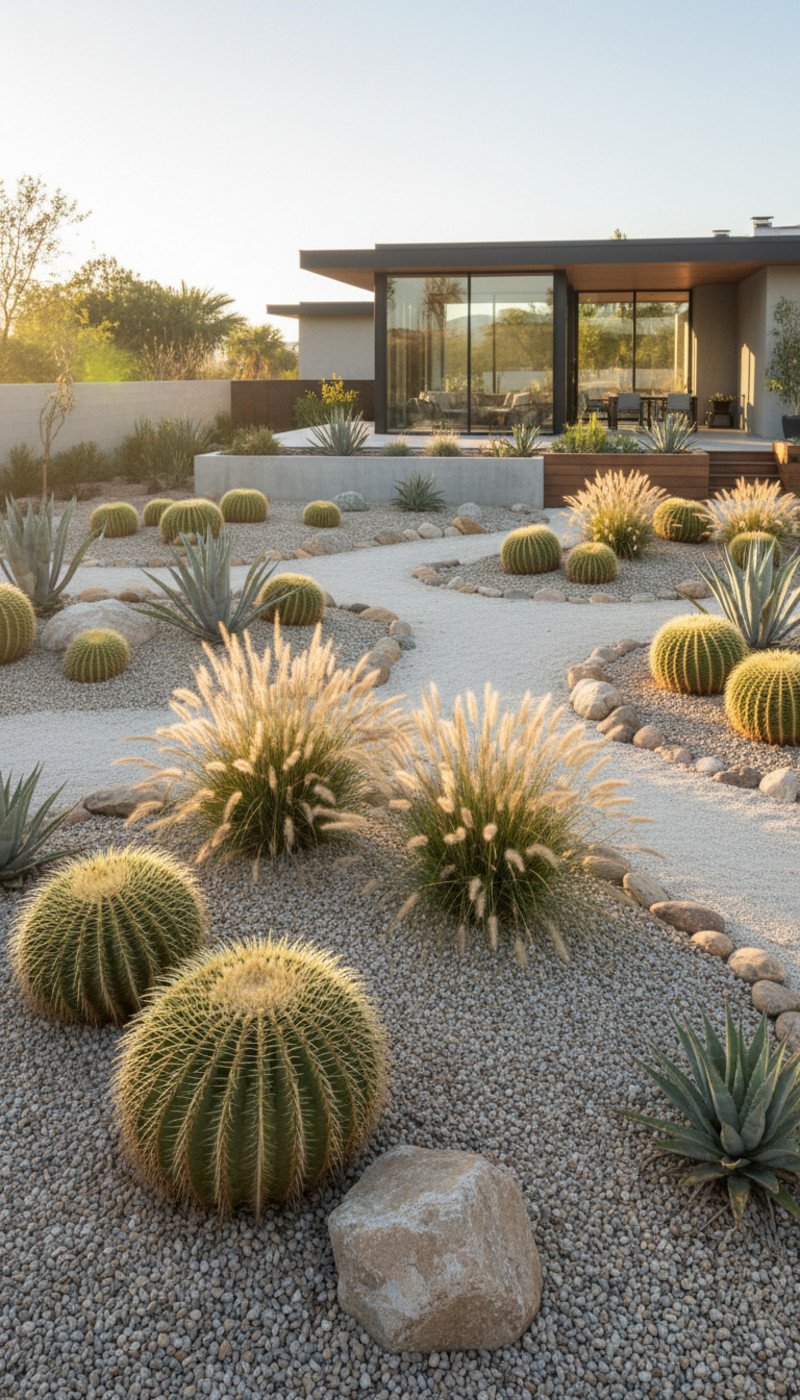
In 2024, the cost of a professionally installed gravel garden is surprisingly accessible. For a typical 200-square-foot project using pea gravel, homeowners can expect to pay an average of $1.85 to $3.91 per square foot. This calculation, which totals around $370 for the project, includes both materials and labor. According to data from LawnLove, labor costs can range from $14 to $68 per hour, making the efficiency of a professional crew a valuable part of the equation. This approach provides a turnkey solution for those who want a perfect result without the physical labor.
Professional vs. DIY: Unpacking the Cost Differences for Your Gravel Bed Project
Deciding between a professional installation and a DIY project is a major consideration. While hiring a pro offers convenience and expertise, a DIY gravel garden cost can be managed more directly, though it requires a significant investment of time and effort. It’s important to analyze the complete picture before committing.
Professional Installation Breakdown
When you hire a contractor, the quote typically bundles materials, labor, and overhead. For a standard landscape gravel project, professional installation averages between $1.69 and $3.91 per square foot. The key benefits are speed, proper equipment usage, and experience in achieving correct grading for drainage. A pro will handle sourcing materials, delivery, and site preparation, saving you logistical headaches.
Do-It-Yourself (DIY) Breakdown
The DIY route puts you in full control of your drought tolerant gravel bed project. However, the costs can be deceptive. While you eliminate labor fees, you incur costs for materials and tool rentals or purchases. For a 200-square-foot pea gravel area, the DIY gravel garden cost DIY is approximately $3.67 per square foot. This breaks down to about $2.32 per square foot for materials and another $1.35 per square foot for tools and supplies like a wheelbarrow, tamper, landscape fabric, and edging. The total project cost of around $734, cited by HomeAdvisor, highlights that DIY isn’t always the cheaper option once all expenses are tallied, especially for a one-time project. Planning your budget for a project like this is as crucial as planning for other major energy efficient upgrades.
| Cost Factor | Professional Installation (200 sq ft) | DIY Installation (200 sq ft) |
|---|---|---|
| Average Cost Per Sq Ft | $1.85 – $3.91 | ~$3.67 |
| Total Estimated Cost | ~$370 – $782 | ~$734 |
| Includes | Materials, Labor, Delivery, Equipment | Materials, Tool Rental/Purchase, Supplies |
| Primary Benefit | Convenience, Expertise, Speed | Control, Personal Satisfaction |
Choosing Your Foundation: Types of Gravel and Their Price Points for Xeriscaping Ideas
The type of gravel you choose dramatically affects both the cost and the final look of your garden. Different materials offer unique colors, textures, and functionalities, making them suited for specific xeriscaping ideas. Understanding the gravel types cost is essential for aligning your design vision with your budget.
Common Gravel Options and Costs
Here are three popular choices for gravel gardens, along with their typical price points:
- Pea Gravel: These are small, smooth, rounded stones that are comfortable to walk on, making them ideal for patios and paths. Their cost ranges from $1.00 to $3.15 per square foot or $15 to $75 per cubic yard. The variety of natural colors (tans, grays, and whites) makes it a versatile choice.
- Crushed Limestone: This is an angular, light-colored stone that compacts well, creating a stable surface for driveways and high-traffic walkways. It is priced affordably at $1.50 to $2.00 per square foot. Its sharp edges help it lock into place, reducing displacement.
- Crusher Run: Also known as quarry process, this is a mix of fine dust and small crushed stone. It compacts tightly to form a very solid base, often used under pavers or as a sub-layer. As one of the most economical options, it costs between $0.40 and $2.00 per square foot, according to sources like Angi.
When selecting your material, consider not just the look but also the function. For a beautiful gravel patio, you’re not just choosing stones; you’re designing an outdoor living space that needs to be comfortable and durable.
Building a Resilient Drought-Tolerant Gravel Bed: Essential Technical Specifications
A successful gravel garden is built on a solid foundation. Proper installation is not just about spreading stones; it involves careful site preparation, edging, and achieving the optimal depth to ensure longevity, proper drainage, and weed suppression. Following these technical steps is crucial for creating a durable drought tolerant gravel bed.
Step 1: Excavation and Site Preparation
First, clear the designated area of all grass, weeds, and debris. You’ll need to excavate the soil to the desired depth. This depth is the sum of your gravel layer and any base layer you might add. For most garden projects, removing 4 to 6 inches of soil is sufficient. Ensure the ground is level and compacted. A slight grade away from your home’s foundation is recommended for drainage.
Step 2: Install Edging
Edging is non-negotiable. It contains the gravel, preventing it from spilling into adjacent lawns or garden beds. Metal, stone, or durable plastic edging works well. Install it securely along the perimeter of your excavated area before adding any other materials.
Step 3: Lay Permeable Weed Barrier
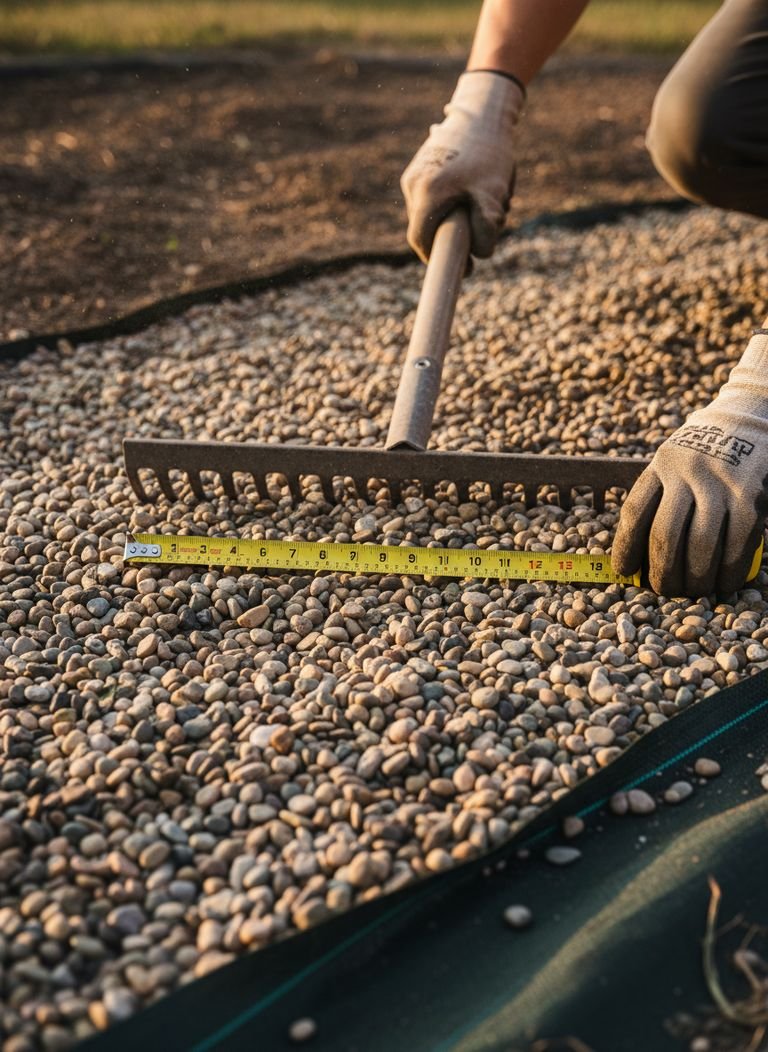
A high-quality, permeable landscape fabric is essential for preventing weeds. Lay it across the entire prepared area, overlapping seams by at least 6 inches. Secure it with landscape staples. This barrier allows water and air to reach the soil, maintaining soil health while blocking sunlight from reaching weed seeds.
Step 4: Install Gravel to the Optimal Depth
The final step is to add the gravel. The required depth depends on the intended use of the area. Following these specifications ensures stability and coverage:
- Pathways: A depth of 2 inches is sufficient for foot traffic. It provides adequate coverage without being too deep, which can make walking difficult.
- Patios and Flower Beds: A depth of 3 to 6 inches is recommended. This deeper layer provides a stable base for furniture and ample medium for planting drought-tolerant species. When adding plants, simply sweep aside the gravel, cut an ‘X’ in the weed fabric, and plant directly into the soil below. This is a great opportunity to incorporate keystone planting with native species that support local ecosystems.
Using gravel as a mulch is also a core principle of firescaping, as it creates a non-combustible zone around your home, adding a layer of safety in fire-prone regions.
Final Thoughts on Your Gravel Gardening Project
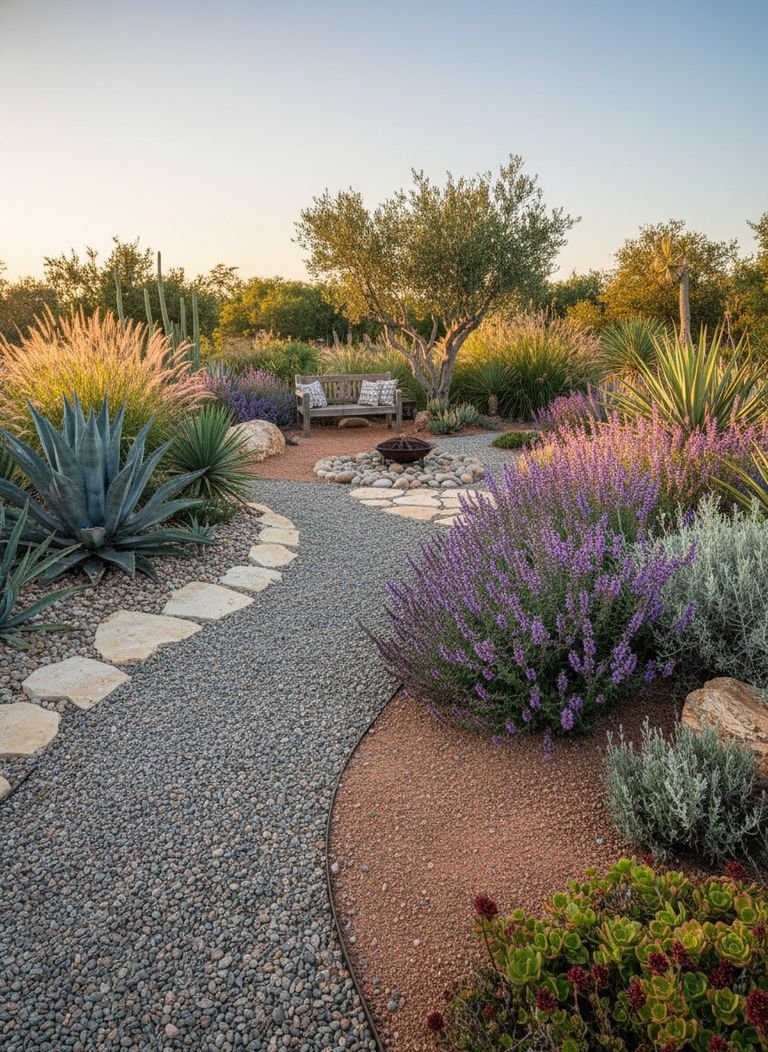
Embarking on a gravel gardening project is a rewarding way to create a beautiful, sustainable, and low-maintenance landscape. By understanding the detailed costs of professional versus DIY installation, you can make an informed decision that aligns with your budget and skills. Choosing the right type of gravel and adhering to essential technical specifications—especially the optimal depth for different applications—will ensure your new garden is both durable and effective. This investment not only enhances your property’s curb appeal but also significantly reduces water consumption and yard work.
With clear cost data and actionable installation steps, you are now equipped to confidently plan and execute your project. Whether you are creating a simple path or a full lawn replacement, a well-planned approach to Gravel Gardening will deliver lasting value and enjoyment. Start planning your water-wise transformation today.
Frequently Asked Questions
How much does a gravel garden cost per square foot in 2024?
In 2024, a professionally installed gravel garden typically costs between $1.85 and $3.91 per square foot. A DIY installation costs around $3.67 per square foot once you factor in materials, supplies, and tool rentals.
Is it cheaper to do a DIY gravel garden?
Not always. While you save on labor costs, the expense of buying or renting necessary tools like a tamper and wheelbarrow, plus purchasing all materials and supplies, can bring the total cost close to that of a professional installation. For a 200 sq ft project, the total DIY cost is around $734, while a professional job could be as low as $370.
What is the best depth for a gravel garden?
The optimal depth depends on the use. For pathways and light foot traffic, a 2-inch depth is sufficient. For patios, driveways, and areas with plants or furniture, a depth of 3 to 6 inches is recommended to provide stability and effective weed suppression.
What is the best type of gravel for a garden path?
Pea gravel is a popular choice for garden paths and patios because its small, rounded stones are comfortable to walk on. For a more stable, compact surface, especially in high-traffic areas, crushed limestone or similar angular gravels are excellent as they lock together firmly.
Do I really need a weed barrier under the gravel?
Yes, a permeable weed barrier (landscape fabric) is highly recommended. It prevents weeds from growing up through the stones while still allowing water and air to penetrate the soil, which is crucial for the health of any nearby plants. It significantly reduces long-term maintenance.