

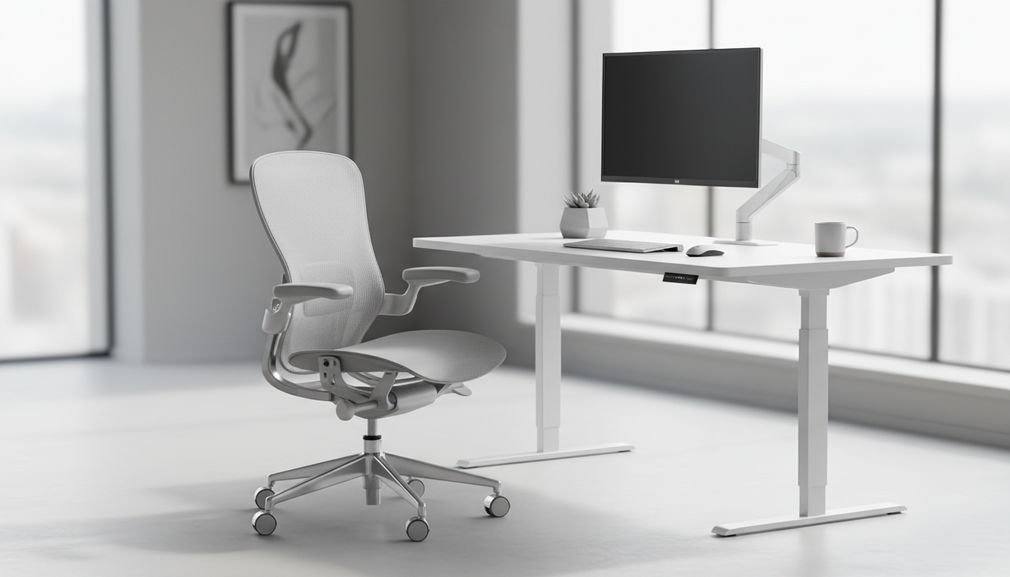
Investing in the right home office furniture ergonomic setup is no longer a luxury for remote professionals; it’s a fundamental requirement for long term health, focus, and productivity. As millions have transitioned to permanent remote or hybrid work, the makeshift dining table setup has revealed its painful limitations. This guide provides a data driven, no nonsense approach to building a workspace that supports your body and your career, moving beyond marketing claims to focus on certified standards and actionable setup advice.
Key Takeaways
- Ergonomics is an investment, not an expense. The global ergonomic furniture market is booming, reflecting a massive shift towards prioritizing health and productivity in home offices.
- Certifications matter. Look for ANSI/BIFMA standards to ensure your chair or desk has been tested for safety, durability, and true ergonomic functionality, cutting through misleading marketing.
- A holistic setup is crucial. Beyond an adjustable chair and desk, the precise angles of your monitor, keyboard, and posture determine your long term comfort and prevent chronic pain.
- The Indisputable Case for an Ergonomic Home Office
- Decoding “Ergonomic”: What Certifications and Standards Actually Mean
- Your Productivity Powerhouse: Investing in a Certified Ergonomic Chair
- The Flexible Foundation: The Advantages of Adjustable Standing Desks
- Beyond Furniture: Crafting Your Optimal Ergonomic Home Office Setup
- The ROI of Ergonomics: Health, Productivity, and Your Bottom Line
- Frequently Asked Questions
The Indisputable Case for an Ergonomic Home Office
The global shift to remote work has permanently altered our professional landscape. This is not a trend; it’s a structural change in how we work, and our home offices must evolve accordingly. The data paints a clear picture: the ergonomic furniture market isn’t just growing, it’s exploding. It reached a massive USD 20,836.6 million in 2023 and is projected to climb to USD 22,211.8 million in 2024, a significant 6.6% year over year increase. This growth is fueled by professionals like you who understand that a proper workspace is a critical tool for success. Investing in home office furniture ergonomic solutions is a direct investment in your physical well being and your ability to perform at your peak, day after day.
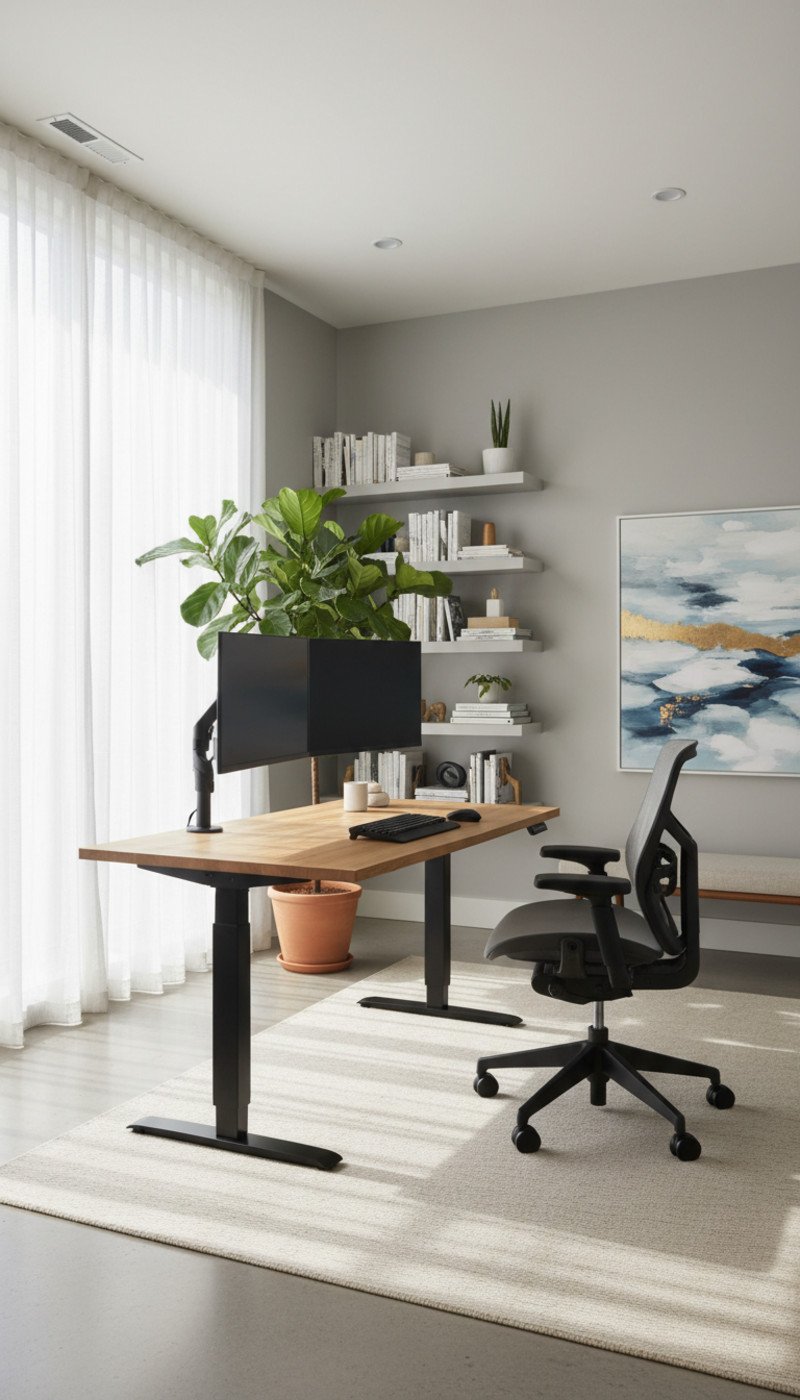
For too long, the home office was an afterthought. Now, it’s the primary command center for countless careers. The consequences of poor ergonomics, including chronic back pain, neck strain, and repetitive stress injuries, are not just health issues; they are productivity killers. A proactive approach to creating a supportive environment prevents these problems before they start, ensuring that your focus remains on your work, not on your discomfort. The 27% growth in the home office furniture segment in 2023 alone underscores this new reality. The market is responding to a clear demand for quality, health conscious solutions.
Decoding “Ergonomic”: What Certifications and Standards Actually Mean
The term “ergonomic” is one of the most overused and misunderstood words in the furniture industry. Many products are labeled as such with little to back up the claim. To make an informed decision, you must look past the marketing and seek out objective proof of quality. This is where certifications from organizations like the Business and Institutional Furniture Manufacturers Association (BIFMA) become invaluable. BIFMA sets rigorous standards for safety, durability, and ergonomic performance through its ANSI/BIFMA testing protocols.
When a chair or desk is ANSI/BIFMA compliant, it means it has survived a battery of tests designed to simulate years of heavy use. These tests evaluate everything from the stability of the chair base to the life cycle of its adjustment mechanisms. For consumers, this certification is a seal of approval that guarantees the product is built to last and functions as advertised. The significance of these standards is highlighted by procurement data; in 2023, 85% of the 1.5 million chairs purchased by North American government entities were required to comply with ANSI/BIFMA standards, as cited by Market Growth Reports. If it’s the standard for government and large enterprise, it should be your standard for a proper ergonomic office chair setup too.
Your Productivity Powerhouse: Investing in a Certified Ergonomic Chair
Your office chair is the single most important piece of ergonomic equipment you will buy. You spend hours in it every day, and its ability to support your body correctly is directly tied to your health and focus. A truly ergonomic chair is defined by its adjustability. Key features to look for include adjustable seat height, seat depth, lumbar support (both height and depth), armrest height and width, and a reclining function with tension control. These features allow you to tailor the chair to your unique body shape and size, promoting a healthy posture and reducing strain on your spine, neck, and shoulders.
The market reflects the chair’s importance. In 2023, the global ergonomic office chair market shipped 35.2 million units, with a staggering 9.5 million of those going to individual remote workers, a 22% increase from 2021. This surge is driven by individuals recognizing that a cheap, non adjustable chair is a false economy. The initial savings are quickly erased by discomfort, distraction, and potential medical bills down the line. When starting your search, our furniture shopping guide can help you plan your budget and identify key features to look for, ensuring you make a smart, long lasting investment in your well being.
The Flexible Foundation: The Advantages of Adjustable Standing Desks
The second pillar of a high performance home office is an adjustable standing desk. The human body was not designed to sit for eight hours a day. A sedentary lifestyle is linked to numerous health problems, and alternating between sitting and standing is one of the most effective ways to combat this. A sit stand desk allows you to change your posture throughout the day, which improves circulation, engages different muscle groups, and can even boost focus and energy levels.
The demand for this flexibility is undeniable. In 2023, home office setups drove 52 million ergonomic product sales, a 19% jump from the previous year, with electric lift standing desks being a top selling category. When choosing an adjustable desk, look for a model with a quiet and smooth electric motor, a sufficient height range to accommodate both comfortable sitting and standing postures, and a sturdy frame that doesn’t wobble at its highest setting. For those in smaller homes, an adjustable desk is also one of the best pieces of space saving furniture for small apartments, as it serves multiple functions without a large footprint. This adaptability is key to creating a dynamic and productive workspace.
Beyond Furniture: Crafting Your Optimal Ergonomic Home Office Setup
Owning the right chair and desk is only half the battle. The real ergonomic magic happens when you dial in the setup for your specific body. This is where most guides fall short, but these details are what separate a merely comfortable workspace from a truly high performance one. Getting the angles and dimensions right is a game changer for your productivity and long term health.
The Critical Angles and Dimensions
Achieving a neutral posture is the primary goal of any home office desk setup. This means your body is aligned in a way that minimizes stress on muscles, tendons, and your skeletal system. Follow these critical guidelines:
- Monitor Height and Distance: Position your monitor so the top of the screen is at or slightly below eye level. You should not have to tilt your head up or down to view the center of the screen. It should also be about an arm’s length away from your face to prevent eye strain. For multi monitor setups, place your primary monitor directly in front of you and secondary monitors to the side, angled slightly inward.
- Elbow and Wrist Position: When seated, your feet should be flat on the floor with your knees at a 90 degree angle. Your elbows should also be at a 90 to 100 degree angle, with your wrists straight and in line with your forearms when typing. Your keyboard and mouse should be on the same level, close enough to avoid reaching.
- Chair Adjustments: Adjust your seat depth so you can fit two to three fingers between the back of your knees and the edge of the seat. Your lumbar support should fit snugly into the natural curve of your lower back.
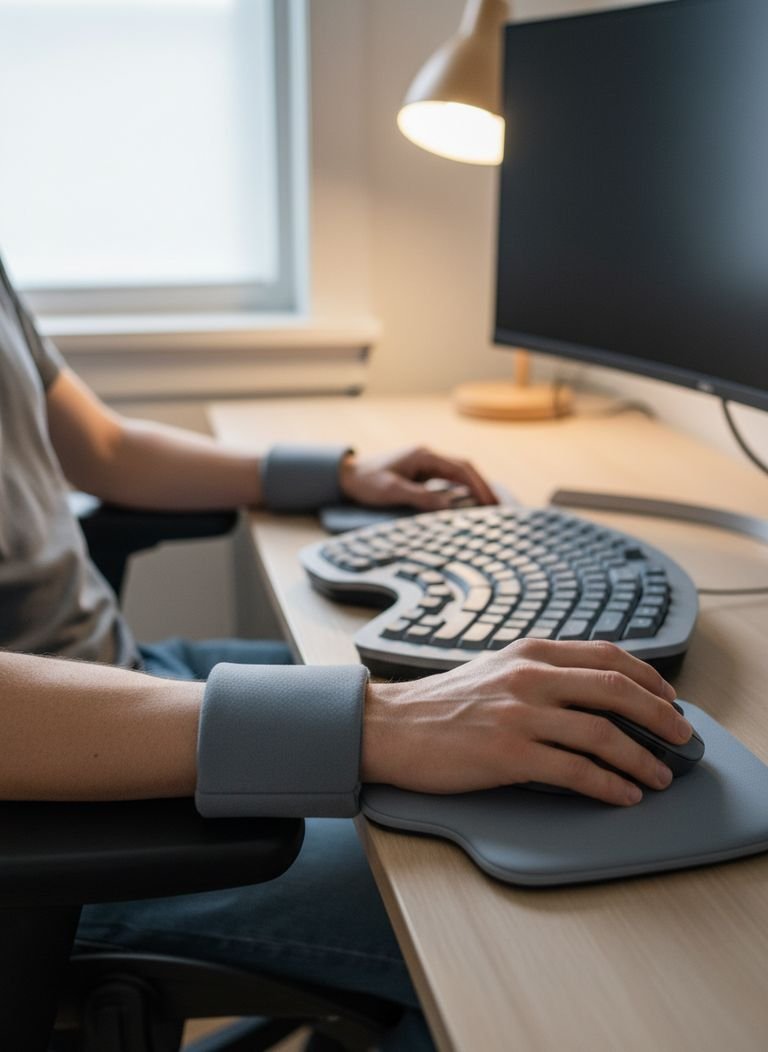
These nuanced adjustments are what create a truly customized and supportive environment. Many competitors and retailers focus only on the products themselves, but a premium chair is ineffective if it’s not configured correctly for its user. As your workspace becomes more sophisticated, you might also consider tech integrated furniture to manage cables and keep your devices powered without cluttering your ergonomic setup.
The ROI of Ergonomics: Health, Productivity, and Your Bottom Line
Investing in a complete ergonomic setup delivers a tangible return. It’s not just about comfort; it’s about measurable gains in efficiency and a significant reduction in health risks that can lead to costly downtime. According to a report from Future Market Insights, businesses that provide employees with ergonomic furniture see an average productivity increase of 17%. For a remote professional or freelancer, a 17% boost in output can directly translate to higher income, more completed projects, and a better work life balance.
Furthermore, the investment protects your most valuable asset: your health. Musculoskeletal disorders (MSDs) like carpal tunnel syndrome and chronic back pain are common among desk workers and can be debilitating. A proper ergonomic setup drastically reduces the risk of developing these conditions. This preventative approach saves you from potential medical expenses, lost workdays, and the chronic pain that erodes your quality of life. Thinking about your workspace as a strategic tool is the key. It’s a long term investment that pays dividends in productivity, health, and career longevity. This philosophy of creating a perfect home office extends beyond just furniture to include factors like lighting and acoustics, all contributing to a holistic productivity workspace furniture system.
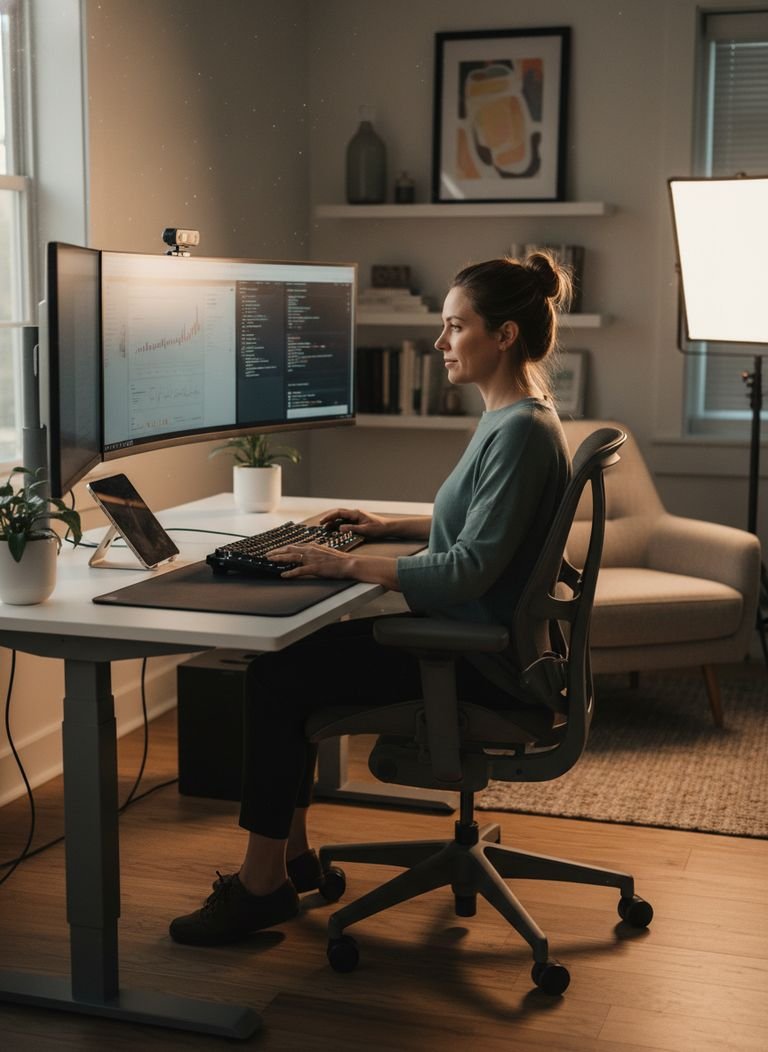
When you consider the costs of lost productivity and potential health issues, the upfront cost of quality equipment becomes much more reasonable. It is a strategic expenditure that supports your ability to earn an income for years to come. Thinking about your home as a whole ecosystem for productivity can also bring in other elements, like reviewing your bedroom storage solutions to ensure your living spaces are as organized and stress free as your workspace.
Frequently Asked Questions
What is the most important piece of ergonomic furniture to buy first?
Without a doubt, a high quality, fully adjustable, and certified ergonomic office chair. You spend the majority of your workday sitting, and a chair that provides proper support for your spine, pelvis, and posture is the foundation of any ergonomic setup. Start here before anything else.
How much should I expect to spend on a good ergonomic home office?
A solid entry level setup with a certified chair and a manual or basic electric standing desk can start around $700-$1,200. Mid range and high end options with more features, premium materials, and longer warranties can range from $1,500 to over $4,000. View it as a career investment, similar to a high performance laptop.
Can I make my current setup more ergonomic without buying new furniture?
Yes, you can make significant improvements. Use a stack of books or a dedicated stand to raise your monitor to eye level. Use a rolled towel for temporary lumbar support. Ensure your feet are flat on the floor, using a footrest or box if needed. While these are good first steps, they are temporary fixes and do not replace the dynamic adjustability of true home office furniture ergonomic equipment.
How long does it take to feel the benefits of an ergonomic setup?
Many users report immediate relief from minor aches and pains within the first few days of using a properly adjusted setup. The more significant long term benefits, such as increased focus, reduced risk of chronic injury, and sustained productivity, become more apparent over several weeks and months as your body adapts to better posture.
Is a standing desk really necessary?
While not as critical as a good chair, a standing desk is highly recommended. The ability to change postures from sitting to standing throughout the day is one of the best ways to combat the negative health effects of a sedentary job. It improves circulation, reduces back strain, and can boost energy and focus. It provides a dynamic element that a fixed height desk cannot.